Explore Morocco Culture & History 2026 Highlights
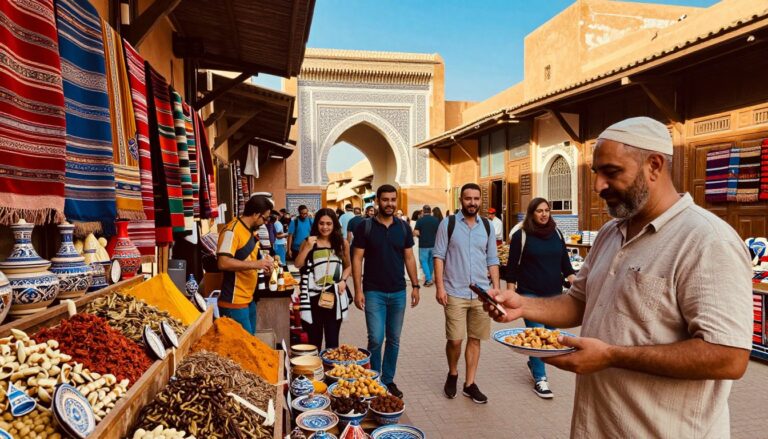
Ever wondered what it’s like to step into a world of ancient traditions and colors? Imagine walking through Marrakech’s busy souks. Every corner has a new story to share.
Thank you for reading this post, don't forget to subscribe!In 2026, you can dive into Morocco’s rich culture. Picture yourself in a desert camp in Agafay. The calm landscape meets the lively local traditions.
From Essaouira’s old town to cooking experiences, this trip will be unforgettable. You’ll see how past and present blend, making every moment special.
This guide will help you plan your trip. You’ll learn about regional diversity and local customs. It’s all about exploring this amazing destination.
1. Why Morocco Should Be Your Next Cultural Destination in 2026
Imagine stepping into a land where ancient traditions meet vibrant colors and breathtaking landscapes. Morocco is not just a destination; it’s a cultural experience waiting to unfold. With its rich tapestry of influences from Berber, Arab, African, and European cultures, Morocco offers a unique heritage that stands out in the travel world.
In 2026, Morocco is set to welcome travelers with even more exciting opportunities to explore its fascinating heritage. From bustling medinas that echo with medieval life to a cuisine that tells stories through its spices, every corner of this country invites you to discover something new.
1.1 What Makes Morocco’s Heritage Unique
Morocco’s heritage is a blend of diverse cultures that have shaped its identity over the centuries. The country serves as a crossroads for various civilizations, resulting in a rich historical narrative. You will find stunning architectural styles, from intricately designed Islamic buildings to the vibrant colors of traditional Berber homes.
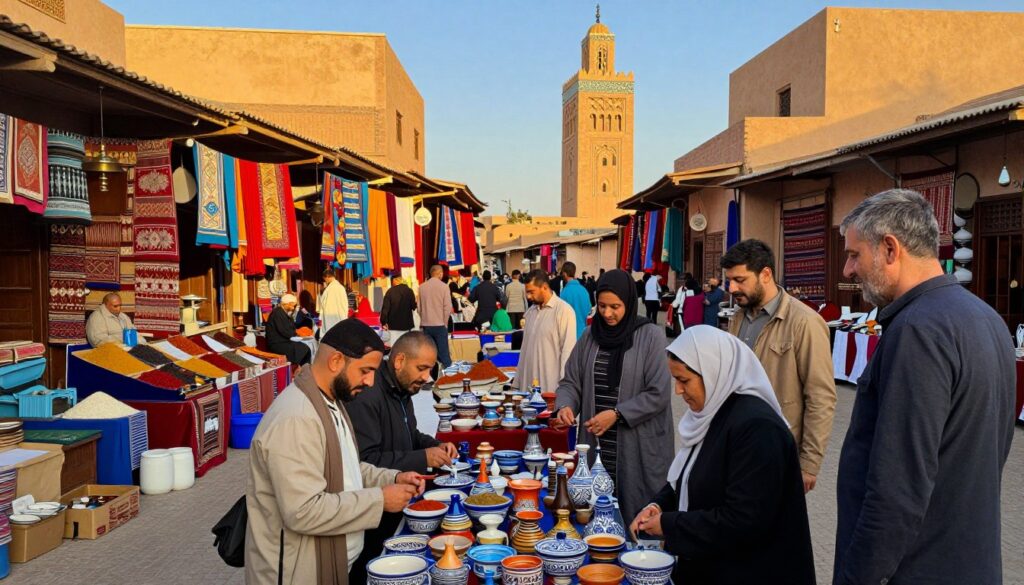
The medinas of cities like Fes and Marrakech are alive with history. Narrow alleys lead to bustling souks filled with handcrafted goods. Here, you can explore Moroccan heritage through local crafts, culinary delights, and age-old traditions that continue to thrive.
1.2 What’s New in Morocco for 2026
As you plan your trip, it’s essential to know what’s new in Morocco for 2026. The country is improving its travel infrastructure, making it easier for visitors to explore its landscapes and cultural sites. Also, evolving cultural festivals promise to showcase Morocco’s vibrant traditions in fresh and exciting ways.
Another significant update is the EU’s new Entry/Exit System (EES), which will be fully operational from April 10, 2026. This system will require biometric registration for travelers transiting through EU countries, so be prepared for this change during your journey.
With these updates, 2026 is an ideal year to visit Morocco. Whether you’re drawn by its rich history or the allure of its modern developments, this North African gem is ready to welcome you with open arms.
2. Planning Your Cultural Exploration of Morocco
Planning a cultural trip to Morocco requires careful timing and preparation. This guide will help you find the best times to visit, the documents you need, and how to pick a route that fits your interests. By following these tips, you can have a memorable trip that showcases Morocco’s rich heritage.
2.1 Best Times to Visit for Cultural Experiences
The best seasons for experiencing Moroccan culture are spring and fall. The weather is mild, making it great for exploring medinas and ancient ruins. November is a good time, with comfortable days and cool evenings perfect for desert camps.
Here’s a quick overview of the best times to visit:
| Season | Temperature Range | Best Activities |
|---|---|---|
| Spring (March – May) | 60°F – 75°F | Exploring gardens, festivals |
| Summer (June – August) | 75°F – 100°F | Coastal activities, evening markets |
| Fall (September – November) | 60°F – 80°F | Desert excursions, cultural festivals |
| Winter (December – February) | 40°F – 65°F | Indoor attractions, historical sites |
2.2 Essential Documents and Preparation
Before your Moroccan adventure, make sure you have the right documents. If you’re from the UK, Australia, New Zealand, the US, or Canada, you don’t need a visa. But your passport must be valid for at least three months from your entry date.
Also, check if you need any vaccinations. Tetanus, typhoid, and hepatitis vaccines are recommended. Remember, the new EU Entry/Exit System starts on April 10, 2026. This might affect your travel through European airports. Be ready for biometric registration if you’re traveling through the EU.
2.3 Choosing Your Cultural Route
When planning your route, think about what interests you most in Moroccan culture. Do you want to see the imperial cities, trek in the Atlas Mountains, or follow the Atlantic coast? Each area offers unique experiences and insights into Morocco’s history.
Using the Morocco history timeline can help you plan your trip. For example, if you’re interested in the sultan era, cities like Fes and Marrakech are great. For a rugged adventure, the Atlas Mountains are perfect for cultural exploration.
3. Morocco Culture & History 2026: Must-Visit Historical Cities
Explore Morocco’s historical cities, where history comes alive in every corner. Each city gives a unique look into Morocco’s rich past and stunning architecture. You’ll see how Morocco’s history shapes its culture today.
Fes – The World’s Living Medieval City
Fes is the oldest living medieval city, a UNESCO World Heritage site. It takes you back to the 9th century. The medina of Fes el-Bali is a maze of alleys, tanneries, and madrasas.
Walking through its paths, you’ll find:
- The ancient tanneries, where leather is made the old way.
- The stunning Bou Inania Madrasa, a marvel of architecture.
- Many shops selling handmade goods, showing the city’s craft spirit.
Marrakech – Imperial Heritage and Vibrant Souks
Marrakech is a city that grabs your senses. It’s full of tilework, ornate palaces, and lively markets. Don’t miss Djemaa el-Fna square, which changes from a market to a food festival at night.
Highlights include:
- The Saadian Tombs, a hidden gem with amazing craftsmanship.
- The Menara Gardens, a peaceful place for a walk.
- Le Jardin Secret, a quiet spot in the city’s bustle.
Rabat – Morocco’s Capital of History
Rabat, the capital, mixes Islamic heritage with French colonial touches. Its old town, the Medina of Rabat, has beautiful buildings and a calm vibe. Don’t miss:
- The Royal Palace, a showcase of Moroccan architecture.
- Hassan Tower, a historic minaret that stands tall.
- Chellah, ancient ruins that tell the city’s story.
Meknes – The Hidden Imperial Gem
Meknes is less crowded but just as impressive. It’s known for its grand gates and palaces. You’ll see the Bab Mansour gate and the royal stables’ remains. Exploring Meknes, you’ll find:
- The Mausoleum of Moulay Ismail, a tribute to a famous sultan.
- The lively markets that show local life.
- The beautiful gardens, a peaceful escape.
| City | Key Features | UNESCO Status |
|---|---|---|
| Fes | Medina, Tannery, Bou Inania Madrasa | World Heritage Site |
| Marrakech | Ben Youssef Madrasa, Bahia Palace, Djemaa el-Fna | World Heritage Site |
| Rabat | Royal Palace, Hassan Tower, Chellah | World Heritage Site |
| Meknes | Bab Mansour, Mausoleum of Moulay Ismail | World Heritage Site |
https://www.youtube.com/watch?v=o6qZiZ7rExQ
4. Discovering Traditional Moroccan Customs and Practices
When you visit Morocco, you enter a world full of traditions and customs. These customs shape daily life and create a welcoming atmosphere. Understanding them enhances your experience and connects you with the local culture.
Hospitality Traditions You Will Experience
Moroccan culture is known for its legendary hospitality. At places like Riad l’Oiseau du Paradis, you’ll be greeted with mint tea. This tea ceremony symbolizes warmth and friendship. It’s considered impolite to refuse a cup of tea, so be sure to accept it.
Staying in a riad lets you experience household traditions. You’ll enjoy delicious meals that showcase Morocco’s rich spices and flavors. Each dish tells a story of the land and its people.
Daily Customs in Moroccan Life
Moroccan daily life is filled with customs that reflect community values. The souks (markets) are not just places to shop; they are social hubs. Bargaining here is an art form, making shopping a lively experience.
Fridays are special in Moroccan culture, often marked by communal couscous meals. The hammam, or steam bath, is also a cherished tradition. It involves a cleansing ritual using black-olive soap and kessa exfoliation, making it a relaxing social event.
Religious Influences on Daily Life
Islam deeply influences Moroccan life, shaping customs and social interactions. The call to prayer resonates five times a day, reminding everyone of their spiritual commitments. This religious backdrop is reflected in the architecture, with homes designed to emphasize inward-facing spaces, fostering family intimacy.
Dress codes reflect modesty, with many Moroccans wearing traditional attire. Greetings are often accompanied by blessings, highlighting the importance of gratitude in daily life. By understanding these religious influences, you can navigate cultural spaces with respect and appreciation.
In conclusion, immersing yourself in Moroccan traditions and customs transforms your visit. You’ll leave with cherished memories and a deeper understanding of the Moroccan way of life.
5. Exploring Morocco’s Most Significant Historical Landmarks
Discover the stories etched in stone at Morocco’s most significant historical sites. This beautiful country is a treasure trove of landmarks that reflect its rich history and diverse cultures. From ancient Roman ruins to stunning Islamic architecture, each site offers a glimpse into the past.
5.1 Ancient Roman Ruins
One of the most captivating sites is the ancient Roman ruins at Volubilis. Here, you can walk among remarkably preserved mosaics that depict mythological scenes. The triumphal arch stands proudly against the backdrop of rolling hills, showing Rome’s influence in North Africa. As you explore, imagine the vibrant life that once filled this bustling city.
5.2 Islamic Architectural Masterpieces
Next, immerse yourself in the breathtaking Islamic architectural masterpieces that define Morocco’s skyline. The Ben Youssef Madrasa features dazzling zellige tilework and intricately carved cedar, making it a must-see for architecture lovers. Don’t miss the Bahia Palace, where a series of courtyards capture light and shadow beautifully. The Saadian Tombs, adorned with intricately marble and gold leaf, honor a dynasty’s final resting place, showing the artistry of the time.
5.3 Fortified Cities and Kasbahs
Lastly, venture into the fortified cities and kasbahs that dot the landscape. Essaouira’s UNESCO-listed ramparts, including the Skala de la Ville with its old cannons, are a testament to the city’s strategic importance. The historic Mellah, with its restored synagogue, reveals the rich Jewish heritage that contributes to Morocco’s multicultural fabric. In the south, the desert kasbahs once guarded vital caravan routes, standing as silent witnesses to centuries of trade and culture.
6. Experiencing Traditional Festivals in Morocco 2026
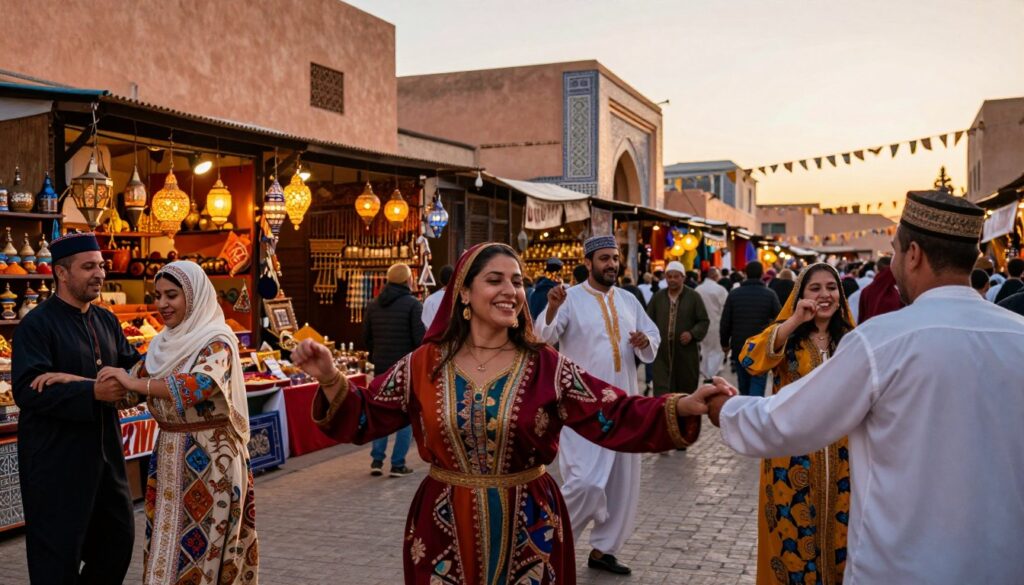
When you think of Morocco, you might imagine vibrant festivals full of color and culture. These festivals are more than just events; they celebrate Morocco’s rich heritage and community spirit. Visiting during these festivals can make your cultural experience even better.
In 2026, Morocco will host a variety of celebrations. You can enjoy everything from Ramadan’s spiritual rhythms to the Marrakech Popular Arts Festival. The Fantasia, or Tbourida, is a highlight, featuring skilled horsemen performing synchronized displays.
Cultural Celebrations Not to Miss
Here are some key festivals to mark on your calendar:
- Ramadan: A month of fasting and spiritual reflection, Ramadan offers unique cultural insights and communal meals at sunset.
- Marrakech Popular Arts Festival: Experience a vibrant showcase of Moroccan music, dance, and arts.
- Fantasia at Chez Ali: Enjoy a dinner show featuring thrilling horsemen, belly dancers, and Berber folklore stories under a grand tent.
- Gnaoua World Music Festival in Essaouira: Immerse yourself in trance-like rhythms and live Gnawa music in a stunning coastal setting.
Regional Festival Highlights
Beyond the major events, each region in Morocco has its own unique celebrations:
- Rose Festival in the Dades Valley: Celebrate the annual rose harvest with parades and perfume-making.
- Date Festival in Erfoud: Honor the desert’s sweetest crop with tastings and local crafts.
- Essaouira’s Gnaoua Festival: A blend of music and culture that draws international artists and visitors alike.
How to Participate Respectfully
Participating in these festivals can be rewarding, but do so respectfully:
- Know When to Photograph: Always ask before taking photos, specially during religious celebrations.
- Dress Appropriately: Modest clothing is recommended, specially during religious events.
- Accept Hospitality: When offered food or drink, graciously accept it as a sign of goodwill.
By engaging with these traditional festivals in Morocco, you’ll witness breathtaking displays of culture. You’ll also gain a deeper understanding of the Moroccan way of life. Whether you’re enjoying the lively atmosphere or participating in local customs, each experience will enrich your journey through this enchanting country.
7. Understanding Morocco’s Cultural Diversity by Region
Explore the rich cultural diversity of Morocco’s regions. Each area has its own traditions, languages, and customs. These are shaped by geography and history, making Morocco a vibrant place for cultural discovery.
7.1 Berber Heritage in Mountain Communities
In the Atlas and Rif Mountains, you’ll find the Berber (Amazigh) communities. Their heritage shows strength and traditions that go back before the Arab conquest. You’ll see unique languages, music, and art that are celebrated today.
See their special architecture, like fortified granaries and terraced villages. When you visit, enjoy mint tea in their homes. The views of the mountains are stunning, showing the Berber people’s warmth and generosity.
7.2 Coastal Cultural Influences
At the coast, cities like Essaouira show Morocco’s rich maritime heritage. The whitewashed lanes and blue doors tell of Portuguese, French, and Jewish influences. Artisans here make traditional instruments from thuya wood.
Walking through the fishing port, you can try fresh seafood grilled to perfection. Visit argan cooperatives run by women to learn about argan nut products.
7.3 Desert Culture and Nomadic Traditions
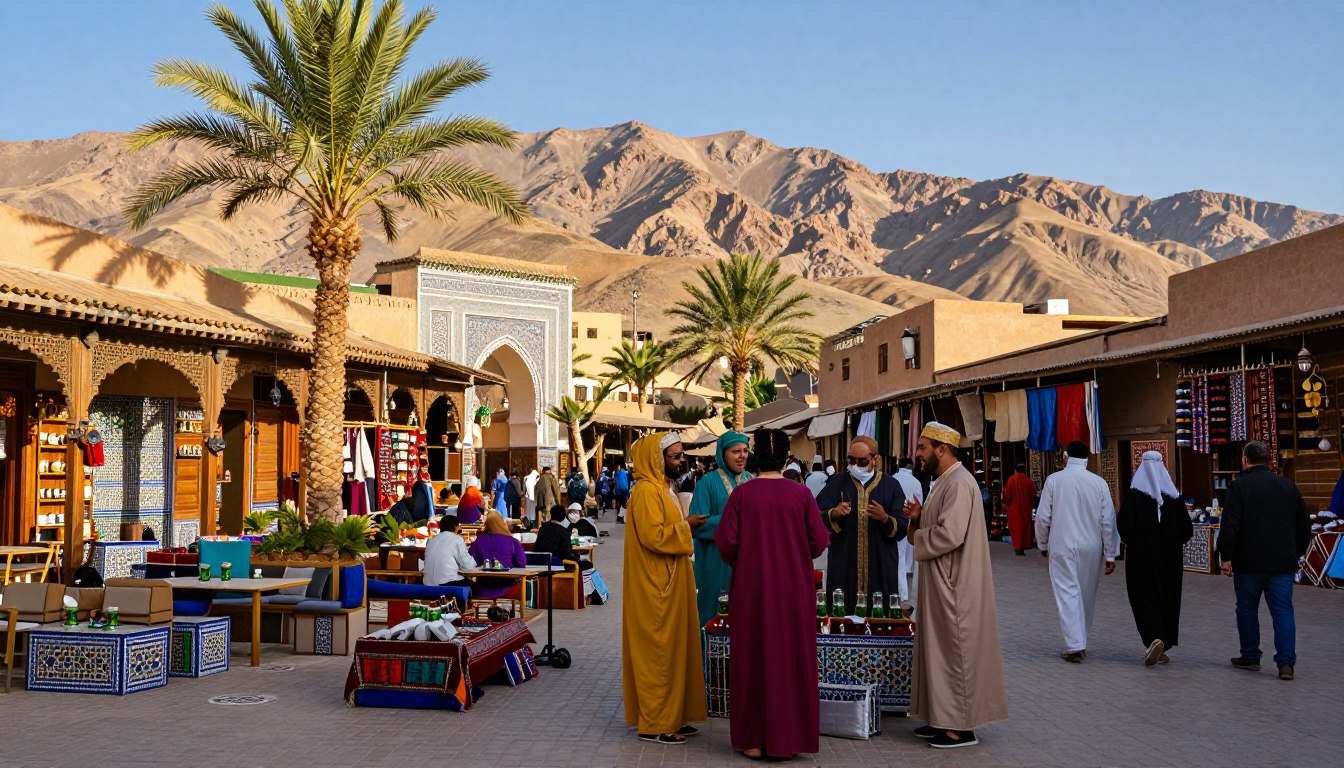
In the Agafay Desert, you’ll find a unique cultural richness. This stone desert offers a peaceful escape. Take a camel ride along ancient paths and see stunning sunsets.
At night, enjoy a candlelit dinner under the stars. This lets you experience nomadic traditions. The desert communities’ hospitality is deep, shown through poetry, music, and campfire stories.
8. Exploring Moroccan Art and Architecture
Discover the rich world of Moroccan art and architecture. It shows the evolution of culture over centuries. This heritage is more than just beauty; it tells the stories of people and their traditions. You will learn about the unique styles and practices that make Moroccan art special.
Traditional Architectural Styles
Moroccan architecture is known for blending function with beauty. Here are some key features:
- Riad: These homes face inward, with a central courtyard and fountain. They offer a cool escape from the desert heat.
- Zellige Tilework: Geometric patterns create stunning mosaics on walls and floors. They show off the skill of the craftsmen.
- Carved Cedar Ceilings: Found in madrasas and palaces, these ceilings are detailed and elegant.
These elements highlight the importance of the interior. They create peaceful oases behind simple facades.
Artistic Crafts That Are Practiced Today
Morocco is rich in traditional crafts that are alive today. Here are some notable ones:
- Thuya-Wood Marquetry: In Essaouira, artisans make beautiful boxes and furniture from thuya wood.
- Luthiers: Skilled craftsmen make ouds and guembris, key instruments in Gnawa music.
- Weaving: Artisans weave vibrant textiles at looms, filling souks with color.
- Argan Oil Production: Women’s cooperatives use stone-grinding to extract oil from argan kernels.
These crafts keep cultural heritage alive and support local economies.
Contemporary Art Scene
Moroccan art is always changing. The contemporary scene is lively and diverse:
- Galleries in Marrakech: The Gueliz district showcases modern Moroccan painters. They mix traditional and modern themes.
- Marrakech Biennale: This festival highlights Moroccan art. It features both local and international artists.
- Street Art: A new wave of artists is using photography and installations to reinterpret cultural symbols.
These developments show that Moroccan art and architecture are alive. They adapt to the modern world while staying true to identity.
9. Practical Tips for Respectful Cultural Exploration
Traveling in Morocco needs careful thought to show respect and understanding. Interacting with the local culture makes your trip richer and builds strong bonds with the people you meet. Here are some tips to help you on your journey.
Understanding Social Etiquette
Moroccan social norms are deeply rooted in tradition. When you meet locals, keep these points in mind:
- Use Your Right Hand: Always greet and eat with your right hand, as the left is considered impolite.
- Dress Modestly: Cover your shoulders and knees, specially when visiting religious sites.
- Ask Before Photographing: Always seek permission before taking photos of people.
- Public Displays of Affection: These are generally frowned upon, so it’s best to keep interactions discreet.
A typical Moroccan greeting involves a handshake, a hand to the heart, and inquiries about family and health. This shows the warmth of their culture.
Supporting Local Communities
Helping local communities is key for sustainable tourism. Here are ways to make a positive impact:
- Stay Local: Choose locally-owned riads instead of international hotel chains.
- Dine at Family-Run Restaurants: Enjoy authentic Moroccan cuisine while supporting local businesses.
- Hire Local Guides: Their knowledge brings history to life and supports the community.
- Buy Crafts Directly: Purchase handmade goods from artisans or cooperatives, like women’s argan collectives.
When bargaining in the souks, remember to do so with respect and good humor. It’s part of the cultural experience.
Navigating Language Barriers
While French and Arabic are common, many Moroccans in tourist areas speak English. Learning a few words of Darija (Moroccan Arabic) can help a lot:
| English | Darija | Meaning |
|---|---|---|
| Hello | Salaam Alaikum | Peace be upon you |
| Thank you | Shukran | Expression of gratitude |
| How are you? | La bas? | Inquiring about well-being |
A smile and a willingness to try speaking the local language can open doors and hearts. It makes your travel experience better.
10. Creating Your Personalized Morocco Heritage Trail
Creating your own Morocco cultural experience is exciting. This guide will help you plan an itinerary that fits your interests and budget. You’ll get to see the best of Morocco’s rich heritage.
10.1 One-Week Cultural Immersion Itinerary
For a week-long adventure, try the 7-night Morocco Cultural Adventure. This trip includes:
- 3 nights in Marrakech: Explore the vibrant medina, stunning palaces, and lush gardens with a local guide.
- 1 night in the Agafay Desert: Stay at a luxury tented camp, enjoy camel rides, and dine under the stars.
- 3 nights in Essaouira: Discover coastal ramparts, enjoy Gnawa music, and participate in hands-on cooking classes.
This itinerary balances guided tours and free time. It makes your trip unforgettable.
10.2 Two-Week Deep Heritage Journey
With more time, a two-week journey dives deeper into Morocco’s heritage. This extended trip can include:
- Fes: Wander through the medieval medina and visit the famous tanneries.
- Meknes: Experience the grandeur of this imperial city.
- Volubilis: Explore the ancient Roman ruins.
- Atlas Mountains: Visit Berber villages and soak in the stunning landscapes.
This journey lets you slow down and enjoy Morocco’s traditions. You can even take a traditional hammam.
10.3 Budget Considerations for Cultural Tourism
When planning your cultural tour, budget is key. A well-planned week costs between $3,500 to $5,000 per person. This includes:
| Included | Not Included |
|---|---|
| Accommodation in boutique riads | Airfare |
| Private transportation | Some lunches |
| Most meals | Gratuities |
| Guided experiences | Travel insurance |
A deposit of around $700 secures your booking. Also, consider travel insurance for peace of mind.
11. Preserving and Experiencing Morocco’s Living Heritage
To truly appreciate Morocco’s rich culture, you must engage with its living heritage. This approach not only enhances your travel experience but also supports the communities that keep these traditions alive. Through thoughtful tourism, you can make a positive impact while immersing yourself in the vibrant culture of Morocco.
One of the best ways to connect with the local culture is through community-based cultural tourism. When you visit women’s argan cooperatives, your purchases directly support rural livelihoods. You can witness the meticulous process of hand-cracking and stone-grounding argan nuts, learning the difference between culinary and cosmetic oils. Don’t forget to taste amlou, a delightful spread made from roasted almonds, argan oil, and honey.
Staying in boutique riads adds to your experience, as these accommodations often employ local staff and preserve traditional architecture. Choosing guides from the communities you explore ensures that your tourism dollars benefit those who are the true custodians of Morocco’s heritage.
Next, let’s discuss the importance of supporting heritage conservation. UNESCO World Heritage sites, such as the medinas of Fes, Marrakech, and Essaouira, require ongoing restoration. Your entrance fees contribute to their upkeep, helping maintain these historical treasures for future generations. By purchasing authentic artisan-made souvenirs, like thuya-wood marquetry or zellige tilework, you support traditional crafts and ensure their survival.
Lastly, taking Morocco’s culture home with you can be a meaningful way to remember your journey. You might recreate a tagine using the spice-blending skills you learned in a cooking class. Practicing the mint tea ritual for friends or displaying a handwoven textile that tells the story of its maker are also wonderful ways to carry a piece of Morocco with you. Embrace the Moroccan approach to hospitality by slowing down, welcoming guests warmly, and savoring moments of connection.
12. Conclusion
As your Moroccan adventure comes to an end, think about all the special experiences you’ve had. Morocco is more than just a place; it’s a journey that stays with you. The sounds of dawn prayers, the colors of the souks, and the warmth of the people create unforgettable memories.
Picture yourself having a farewell dinner with fresh seafood as the sun sets over the Atlantic. Each dish and moment captures the heart of Moroccan culture. From the beautiful zellige tiles to the peaceful Agafay Desert, Morocco is full of wonders waiting to be explored.
Maybe it’s time to plan your next adventure in Morocco. You could join a guided tour or make your own path through the imperial cities. Learning a few words of Darija will make your interactions with locals even more special. Morocco’s culture and history are waiting for you in 2026. The question is, where will you go first?