Discover the Magic of the Atlas Mountains: Your Complete 2026 Adventure Guide
Have you ever dreamed of trekking through ancient Berber villages, standing atop snow-capped peaks, and witnessing sunrises that paint mountain valleys in gold? The Atlas Mountains offer one of North Africa’s most breathtaking adventures, combining challenging trails with rich cultural immersion.
Table of Contents
Planning your Atlas Mountains hiking 2026 experience now ensures you’ll secure the best guides, accommodations, and weather windows for this life-changing journey. Whether you’re an experienced mountaineer or an enthusiastic beginner, the Atlas Mountains trekking 2026 season promises unforgettable memories across Morocco’s most dramatic landscapes. This comprehensive guide will equip you with everything you need to plan, prepare, and execute the perfect mountain adventure in one of the world’s most captivating ranges.
Travel Essentials
Proper preparation makes the difference between a challenging adventure and an uncomfortable ordeal. Here’s your complete packing list:
Documents and Money:
– Valid passport (minimum 6 months validity)
– Travel insurance covering mountain activities
– Printed copies of accommodation confirmations
– Moroccan Dirhams (cash for villages without ATMs)
– Credit cards for major towns
Clothing Layers:
– Moisture-wicking base layers (3-4 sets)
– Insulating mid-layers (fleece or down jacket)
– Waterproof and windproof outer shell
– Trekking pants (quick-dry material)
– Warm hat, sun hat, and buff or scarf
– Hiking socks (wool or synthetic blend)
Footwear:
– Broken-in hiking boots with ankle support
– Camp shoes or sandals for evenings
– Gaiters (optional for snow season)
Gear and Accessories:
– 40-60L backpack with rain cover
– Sleeping bag rated for season (guides often provide)
– Trekking poles for stability
– Headlamp with extra batteries
– Sunglasses with UV protection
– High-SPF sunscreen and lip balm
– Personal first-aid kit
– Water bottles or hydration system (3L capacity)
– Water purification tablets
Navigation and Communication:
– Offline maps downloaded on smartphone
– Portable power bank
– Camera with extra batteries
– Guidebook or trail descriptions
Optional Items:
– Binoculars for wildlife watching
– Journal for recording experiences
– Small gifts for local hosts (tea, school supplies)
Timing / Travel Schedule
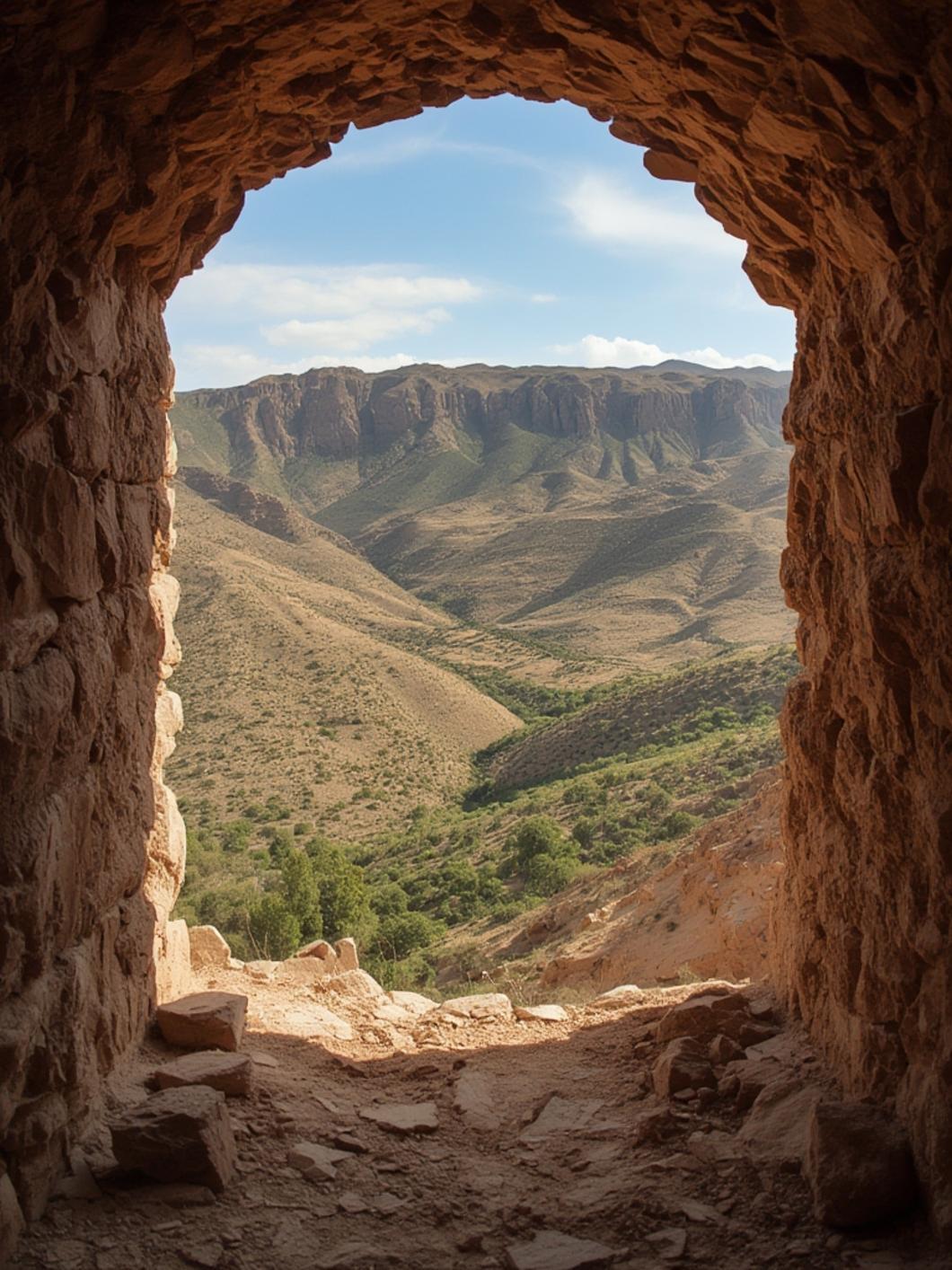
The Atlas Mountains present different personalities throughout the year. Spring (April-May 2026) offers wildflower-carpeted valleys and moderate temperatures (15-25°C), though higher passes may retain snow. Autumn (September-October 2026) provides the most stable weather with clear skies and comfortable hiking conditions—peak season for mountaineers.
Summer (June-August 2026) brings intense heat to lower elevations but pleasant conditions above 2,500 meters, making it ideal for high-altitude trekking. Winter (December-March) transforms the range into a snowy wonderland, requiring technical skills and equipment but offering solitude and dramatic scenery.
Most trekkers allocate 5-7 days for a complete experience, including:
– Day 1: Arrival in Marrakech, preparation
– Days 2-5: Core trekking through valleys and peaks
– Day 6: Descent and cultural village experience
– Day 7: Return to Marrakech
Popular routes like the Toubkal Circuit or Mgoun Traverse require 3-5 days of active trekking, while summit attempts of Jebel Toubkal (North Africa’s highest peak at 4,167m) typically take 2 days from base.
Step-by-Step Instructions
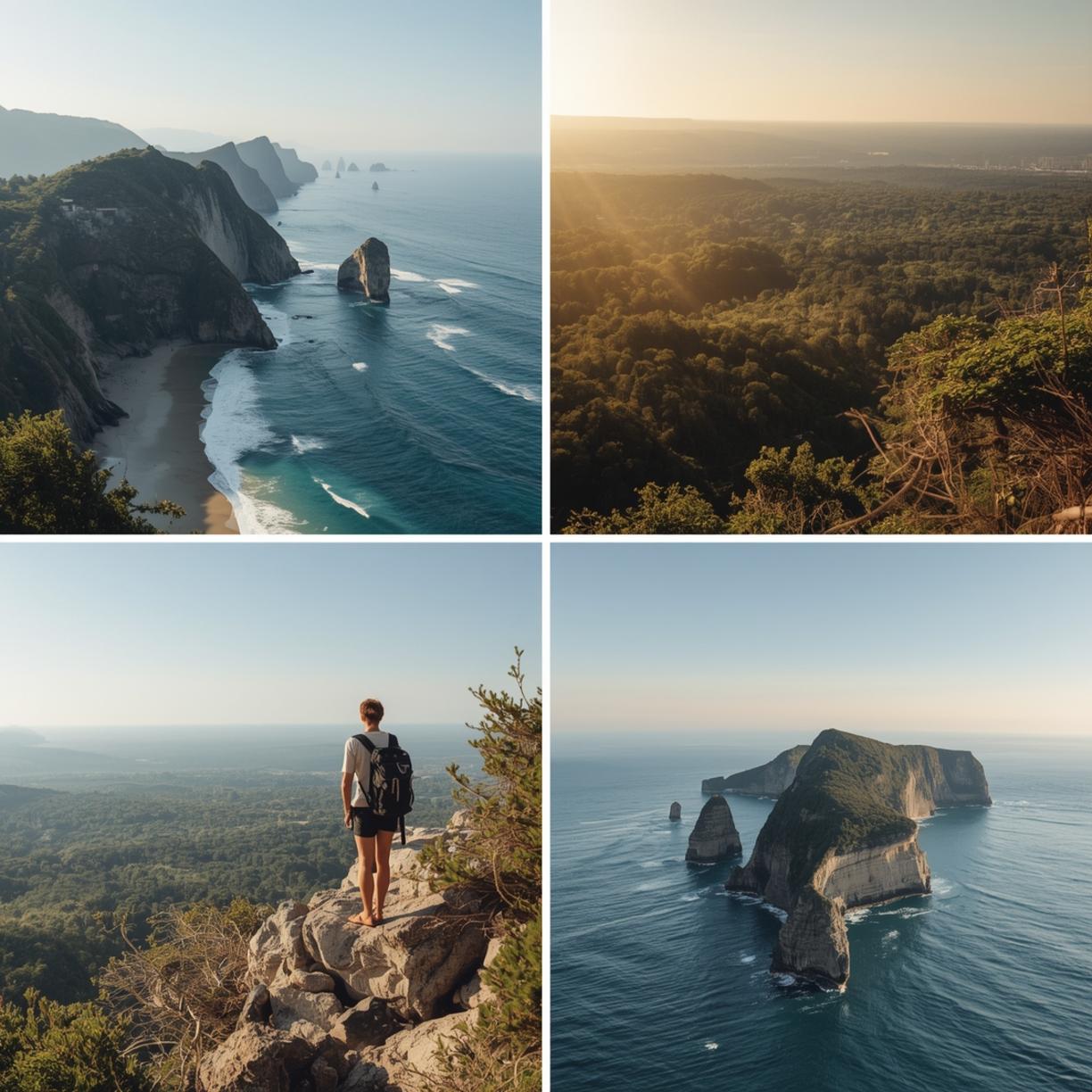
Step 1: Choose Your Route
Research trails matching your fitness level. The Toubkal ascent suits moderately fit beginners, while the Mgoun Traverse challenges experienced trekkers. Book your Atlas Mountains hiking 2026 experience through reputable operators 3-6 months ahead. Read reviews and confirm what’s included (guides, mules, accommodation, meals).
Step 2: Train Your Body
Begin cardiovascular training 8-12 weeks before departure. Include hill walking with a weighted backpack, gradually increasing distance and elevation. Practice hiking in your boots to prevent blisters.
Step 3: Arrange Logistics
Book flights to Marrakech and accommodation for pre/post-trek nights. Arrange airport transfers and confirm your Atlas Mountains trekking 2026 pickup point with your operator. Purchase travel insurance covering altitudes up to 4,500m.
Step 4: Pack Strategically
Use packing cubes to organize gear. Layer your backpack with heavy items close to your back. Keep essentials (water, snacks, sun protection, first aid) easily accessible. Weigh your pack—aim for under 10kg for multi-day treks where mules carry main luggage.
Step 5: Acclimatize Properly
Spend your first day in Marrakech (500m) before ascending. On trek, gain altitude gradually—sleep no more than 300-500m higher each night. Hydrate constantly (3-4 liters daily) and recognize altitude sickness symptoms (headache, nausea, dizziness).
Step 6: Respect Local Culture
Learn basic French or Arabic phrases. Dress modestly in villages (cover shoulders and knees). Ask permission before photographing people. Accept mint tea when offered—it’s a sacred hospitality ritual.
Step 7: Trek Mindfully
Start early (6-7am) to avoid afternoon heat or storms. Maintain a steady “pole-pole” (slowly-slowly) pace. Follow Leave No Trace principles—pack out all waste. Tip your guides and muleteers generously (10-15% of trek cost is customary).
Advantages of the Destination
The Atlas Mountains deliver transformative experiences beyond typical tourism. Cultural immersion occurs naturally as you stay in Berber villages, sharing meals with families whose ancestors have inhabited these valleys for millennia. You’ll witness traditional lifestyles largely unchanged by modernity—women baking flatbread in clay ovens, shepherds guiding flocks across ancient paths, and communities maintaining centuries-old irrigation systems.
Physical and mental benefits abound. The challenging terrain builds strength and endurance while the digital detox (limited connectivity) reduces stress. Studies show mountain environments decrease cortisol levels and improve mental clarity. The achievement of summiting peaks or completing multi-day treks boosts confidence and resilience.
Unique natural beauty distinguishes the Atlas range. Unlike heavily trafficked European Alps or Himalayas, many Atlas valleys remain wonderfully uncrowded. You’ll encounter diverse ecosystems—from arid desert transitions to alpine meadows—supporting wildlife including Barbary macaques, golden eagles, and rare mouflon sheep.
Affordable adventure makes the Atlas accessible. Morocco’s favorable exchange rates mean quality guided treks cost 50-70% less than comparable European experiences, making this an exceptional value destination for budget-conscious adventurers.
Tips, Alternative Methods, or Travel Advice
Solo vs. Guided: While experienced mountaineers can trek independently on some routes, hiring local guides supports communities and enhances safety and cultural understanding. Solo travelers can join group departures to reduce costs.
Budget Options: Stay in village gîtes (basic lodges) instead of hotels. Pack lunch items from Marrakech markets. Travel during shoulder seasons (March, November) when operators offer discounts.
Luxury Alternatives: Premium operators provide comfortable refuges, upgraded meals, and smaller group sizes. Some offer yoga retreats or photography workshops combined with trekking.
Seasonal Strategies: Spring trekkers should pack extra waterproofs for occasional rain. Summer adventurers benefit from starting hikes at dawn. Autumn visitors enjoy harvest season when villages celebrate with traditional festivals.
Extension Ideas: Combine your trek with Marrakech’s medina exploration, Sahara Desert tours, or coastal relaxation in Essaouira. Many operators offer multi-activity packages.
Common Mistakes to Avoid
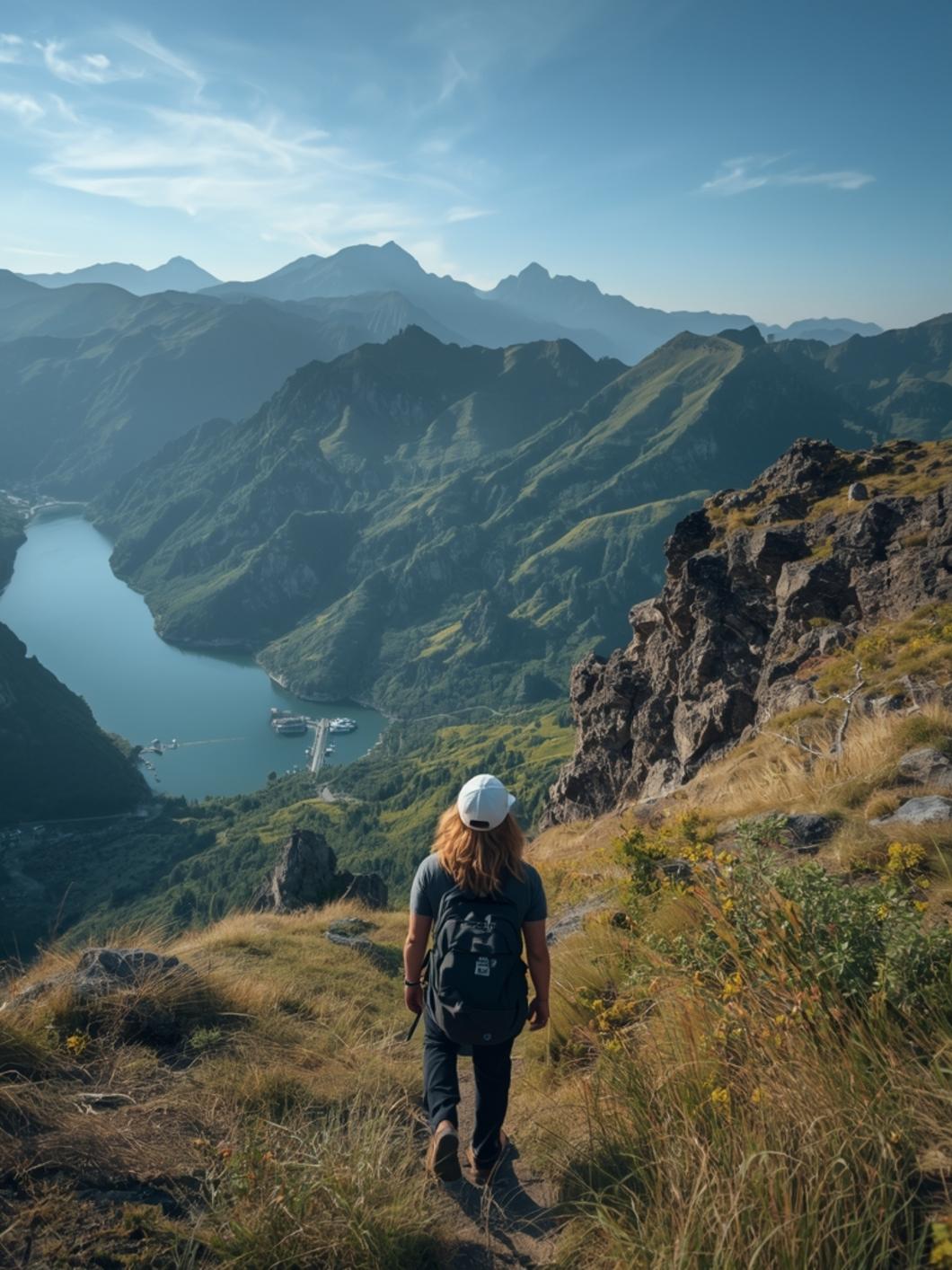
Underestimating Altitude: Many visitors assume 4,000m is manageable without acclimatization. Solution: Schedule rest days and ascend gradually, listening to your body’s signals.
Overpacking: Carrying unnecessary items creates exhaustion. Solution: Ruthlessly edit your pack—if you haven’t used something on three previous trips, leave it home.
Ignoring Sun Protection: High altitude intensifies UV exposure, causing severe burns. Solution: Apply SPF 50+ sunscreen every two hours and wear protective clothing even on cloudy days.
Inadequate Hydration: Mountain air dehydrates quickly, reducing performance. Solution: Drink before feeling thirsty and monitor urine color (should be pale yellow).
Disrespecting Photography Etiquette: Photographing locals without permission offends communities. Solution: Always ask first, offer to share images, and respect refusals graciously.
Booking Unreliable Operators: Budget companies may cut corners on guide training or safety equipment. Solution: Research thoroughly, check certifications, and read recent reviews on multiple platforms.
Poor Footwear Choices: New boots cause blisters; worn-out boots fail on rocky terrain. Solution: Break in boots on 3-4 long hikes before your trip and replace boots with worn treads.
Storage / Maintenance Tips
Photo Management: Back up images daily to cloud storage when WiFi is available in villages. Bring multiple memory cards and keep them in separate bags. Create a simple filing system: date-location-subject.
Budget Tracking: Use offline budget apps to record daily expenses. Morocco is cash-heavy, so photograph receipts. Allocate 300-400 MAD daily for incidentals beyond trek costs.
Gear Maintenance: Clean boots thoroughly after your trek—mountain dust damages materials. Wash and reproof waterproof jackets according to manufacturer instructions. Store sleeping bags uncompressed to maintain loft.
Planning for Return Visits: Keep detailed notes about favorite villages, recommended guides, and trails you want to explore next time. Join Atlas Mountains trekking communities online to stay connected with the region.
Seasonal Equipment Updates: Evaluate gear performance honestly. Replace items that underperformed before your next adventure. Consider upgrading to lighter materials if weight was challenging.
Conclusion
The Atlas Mountains stand as one of the world’s most accessible yet profoundly rewarding mountain adventures. From the dramatic peaks and lush valleys to the warm Berber hospitality and rich cultural tapestry, your Atlas Mountains hiking 2026 journey promises experiences that will resonate long after you return home.
Whether you’re seeking physical challenge, cultural connection, or simply the therapeutic power of wilderness, these ancient mountains deliver on every level. Your Atlas Mountains trekking 2026 adventure awaits—start planning today to secure the best guides and optimal timing. Take the first step toward your Moroccan mountain dream and discover why travelers consistently rank the Atlas among their most memorable expeditions. Share your plans in the comments below or explore our related guides on Moroccan adventure travel to expand your North African itinerary.
FAQs
Q: Do I need prior trekking experience for the Atlas Mountains?
A: Basic fitness suffices for standard routes like Toubkal, which requires no technical climbing. However, comfort with 6-8 hour hiking days and sleeping in basic accommodations is essential. More remote circuits demand greater experience and self-sufficiency.
Q: What’s the best time to attempt Jebel Toubkal summit?
A: May-June and September-October offer optimal conditions—stable weather, moderate temperatures, and minimal snow on standard routes. Winter ascents (December-March) require crampons, ice axes, and mountaineering skills due to snow and ice.
Q: How much should I budget for a week-long Atlas Mountains trek?
A: Expect $400-700 for guided group treks including guide, mules, accommodation, and meals. Add $200-300 for Marrakech hotels, transfers, travel insurance, tips, and personal expenses. Luxury options start around $1,500-2,000 per person.
Q: Is altitude sickness a serious concern in the Atlas Mountains?
A: While Toubkal reaches 4,167m—where altitude sickness can occur—proper acclimatization significantly reduces risk. Symptoms typically affect those ascending too quickly. Spend 2-3 days gradually gaining elevation, stay hydrated, and descend immediately if severe symptoms develop.
Q: Can I trek the Atlas Mountains independently without a guide?
A: Some popular routes are manageable solo for experienced navigators with proper maps and equipment. However, guides provide cultural insights, support local economy, enhance safety, and navigate unmarked trail variations. Most trekkers find the guided experience vastly more enriching.