Morocco Desert Tour 2026: Your Ultimate Guide to an Unforgettable Sahara Adventure
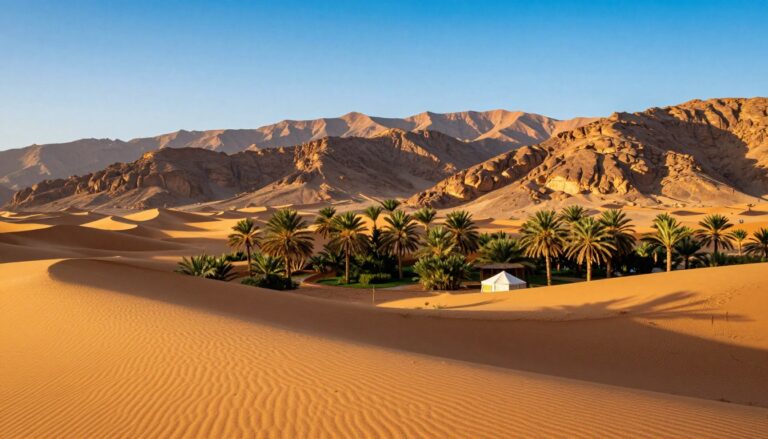
Have you ever dreamed of riding camels across golden sand dunes as the sun sets over the endless Sahara, painting the sky in shades of amber and crimson? Planning a Morocco desert tour 2026 offers travelers an extraordinary opportunity to immerse themselves in one of the world’s most captivating landscapes. Whether you’re seeking adventure, cultural enrichment, or simply a break from the ordinary, a Morocco desert safari 2026 promises memories that will last a lifetime.
Table of Contents
Morocco’s desert regions—from the towering Erg Chebbi dunes near Merzouga to the vast expanses of Erg Chigaga—present travelers with unparalleled beauty, traditional Berber hospitality, and experiences ranging from stargazing under unpolluted skies to exploring ancient kasbahs. This comprehensive guide will walk you through everything you need to know to plan and enjoy your Moroccan desert adventure in 2026, ensuring your journey is both seamless and spectacular.
Travel Essentials
Proper preparation ensures your desert experience is comfortable and stress-free. Here’s what you’ll need:
Documents:
– Valid passport (with at least six months validity beyond your travel dates)
– Visa (if required based on your nationality; many countries receive visa-free entry for up to 90 days)
– Travel insurance covering medical emergencies and trip cancellations
– Printed copies of hotel confirmations and tour bookings
– International driver’s license (if planning to rent a vehicle)
Clothing:
– Lightweight, breathable long-sleeved shirts and pants (for sun protection)
– Wide-brimmed hat or traditional Moroccan turban (cheche)
– Sunglasses with UV protection
– Comfortable closed-toe walking shoes
– Sandals for relaxation at camp
– Warm jacket or fleece (desert nights can be surprisingly cold)
– Scarf or shawl (versatile for sun protection and cultural respect)
Gear and Accessories:
– High-SPF sunscreen (30+ recommended)
– Lip balm with sun protection
– Reusable water bottle
– Headlamp or flashlight with extra batteries
– Power bank for charging devices
– Camera with extra memory cards and batteries
– Small backpack for day excursions
Optional Items:
– Binoculars for wildlife watching
– Portable solar charger
– Travel pillow for long drives
– Anti-dust bags for electronics
– Personal medications and first-aid kit
– Wet wipes and hand sanitizer
Timing / Travel Schedule
The optimal time for your Moroccan desert expedition is during spring (March-May) or autumn (September-November) when temperatures are moderate—ranging from 20-28°C (68-82°F) during the day and 10-15°C (50-59°F) at night. Summer months (June-August) can be extremely hot, with daytime temperatures exceeding 45°C (113°F), while winter (December-February) brings cooler days and potentially cold nights.
Typical Trip Duration:
– Short tours: 2-3 days (Marrakech to Merzouga)
– Standard tours: 4-5 days (including additional destinations like Dades Valley)
– Extended tours: 7-10 days (comprehensive desert and mountain experiences)
Daily Schedule Overview:
Most desert tours begin early morning (7-8 AM) from major cities like Marrakech, Fes, or Casablanca. Expect 6-8 hours of scenic driving with stops at UNESCO World Heritage sites, mountain passes, and traditional villages. Camel treks typically occur late afternoon (around 4-5 PM), lasting 1-2 hours to reach desert camps before sunset. Evening activities include traditional Berber music, dinner under the stars, and overnight camping. Morning departures usually happen after sunrise and breakfast (around 8-9 AM).
Step-by-Step Instructions
Step 1: Research and Book Your Tour
Begin planning 3-6 months in advance. Compare reputable tour operators, read recent reviews, and verify what’s included (meals, accommodations, activities). Book directly or through trusted travel agencies. For a Morocco desert tour 2026, early booking often secures better rates and availability.
Step 2: Arrange Flights and Accommodations
Book international flights to Marrakech or Casablanca. Consider spending 1-2 days before and after your desert tour exploring these gateway cities. Reserve hotels in advance, especially during peak seasons.
Step 3: Prepare Your Packing List
Use the essentials list above and pack strategically. Layer clothing for temperature fluctuations and choose dust-resistant bags for electronics.
Step 4: Organize Travel Documents
Ensure all documents are valid and accessible. Make digital and physical copies. Download offline maps and translation apps.
Step 5: Departure Day
Meet your tour group at the designated location. The journey typically includes stops at Ait Benhaddou (famous film location), Ouarzazate (Morocco’s Hollywood), and the Todra Gorges.
Step 6: Embrace the Camel Trek
When you reach the desert edge, mount your camel and enjoy the rhythmic journey across dunes. Don’t forget to capture sunset photos—the lighting is magical during golden hour.
Step 7: Experience Desert Camp Life
Settle into your traditional Berber tent, enjoy authentic tagine dinner, participate in drum circles, and gaze at the brilliantly clear Milky Way. For an unforgettable Morocco desert safari 2026, engage with local guides who share stories about nomadic traditions.
Step 8: Wake for Sunrise
Rise early to witness the spectacular desert sunrise—a photographer’s dream. Enjoy breakfast before the return journey.
Step 9: Return Journey
The route back often includes different stops, allowing you to experience varied Moroccan landscapes and culture.
Step 10: Reflect and Share
Document your experiences through photos, journals, or social media. Share recommendations with fellow travelers.
Advantages of the Destination
Morocco’s desert regions offer remarkable benefits beyond stunning scenery:
Cultural Immersion: Interact with Berber communities, learning about ancient traditions, music, and hospitality that have remained unchanged for centuries.
Photographic Paradise: The ever-changing desert landscape provides endless opportunities for stunning photography, from dramatic dune formations to star-filled night skies.
Digital Detox: Limited connectivity in remote desert areas offers a rare chance to disconnect from technology and reconnect with nature and yourself.
Adventure Activities: Beyond camel trekking, enjoy sandboarding, quad biking, 4×4 excursions, and guided hikes through dramatic gorges.
Personal Growth: Challenge yourself physically and mentally while gaining perspective through the vastness and silence of the Sahara.
Authentic Cuisine: Savor traditional Moroccan dishes prepared using centuries-old methods, including slow-cooked tagines and fresh mint tea.
Affordable Luxury: Morocco offers excellent value, with luxury desert camps providing high-quality experiences at reasonable prices compared to other international destinations.
Tips, Alternative Methods, or Travel Advice
Budget-Friendly Options:
– Join group tours rather than private excursions
– Book accommodations in guesthouses instead of luxury hotels
– Travel during shoulder seasons for lower prices
– Negotiate respectfully at local markets
– Choose longer tours that include more activities per day for better value
Solo Travelers:
Group tours are ideal for solo adventurers, providing built-in companionship and safety. Many operators offer single supplement options or roommate matching.
Luxury Alternatives:
Upgrade to private tours with high-end desert camps featuring en-suite bathrooms, gourmet dining, and exclusive experiences like hot air ballooning or private musical performances.
Off-the-Beaten-Path:
Consider visiting Erg Chigaga (more remote than Erg Chebbi) or exploring the Draa Valley for fewer tourists and more authentic experiences.
Photography Tips:
Bring lens cleaning equipment, shoot during golden hours (sunrise/sunset), use a tripod for night photography, and protect gear from sand with sealed bags.
Health Considerations:
Stay hydrated constantly, use sun protection liberally, acclimatize gradually to heat, and bring motion sickness remedies for winding mountain roads.
Common Mistakes to Avoid
Mistake 1: Underpacking for Temperature Changes
Solution: Always bring warm layers even if daytime temperatures seem hot. Desert nights can drop to 5-10°C (41-50°F).
Mistake 2: Choosing the Cheapest Tour Without Research
Solution: Extremely low-priced tours often cut corners on safety, food quality, or accommodations. Read recent reviews and verify inclusions.
Mistake 3: Overpacking Luggage
Solution: Space in tour vehicles is limited. Pack efficiently using compression bags and bring only essentials.
Mistake 4: Forgetting Sun Protection
Solution: Desert sun is intense even in cooler months. Apply sunscreen every 2-3 hours and wear protective clothing.
Mistake 5: Not Respecting Local Customs
Solution: Morocco is predominantly Muslim. Dress modestly, ask permission before photographing people, and learn basic Arabic or French greetings.
Mistake 6: Skipping Travel Insurance
Solution: Medical emergencies or trip cancellations can be costly. Comprehensive insurance provides essential protection.
Mistake 7: Expecting Constant WiFi
Solution: Desert camps have limited or no connectivity. Download maps, entertainment, and important information before departing.
Mistake 8: Not Drinking Enough Water
Solution: Dehydration happens quickly in desert climates. Drink water consistently throughout the day, even if you don’t feel thirsty.
Storage / Maintenance Tips
Digital Photo Management:
Back up photos daily to cloud storage or external drives. The desert environment can damage electronics unexpectedly. Organize images by location and date while memories are fresh.
Equipment Care:
Clean camera lenses and electronics thoroughly after desert exposure. Sand particles can cause long-term damage if not removed properly. Store gear in sealed bags between uses.
Travel Journal:
Maintain a detailed journal or digital notes about experiences, restaurant recommendations, and contacts. These become invaluable for planning future trips or helping friends.
Budget Tracking:
Record all expenses in a travel app or spreadsheet. This helps evaluate value and plan future journeys more accurately.
Post-Trip Planning:
Organize receipts, update your bucket list, and research your next destination while the travel excitement is still fresh.
Seasonal Maintenance:
If you plan to return, subscribe to tour operator newsletters for special offers and updates on new experiences or routes.
Relationship Building:
Stay connected with tour guides or fellow travelers through social media. These connections often lead to insider tips or reunion opportunities.
Conclusion
A Morocco desert tour represents more than just a vacation—it’s a transformative journey through landscapes and cultures that have captivated travelers for centuries. From the practical preparations outlined in our travel essentials to the step-by-step guidance for navigating your adventure, you now have everything needed to make your Morocco desert tour 2026 truly unforgettable.
The advantages of experiencing Morocco’s Sahara—cultural richness, photographic opportunities, personal growth, and authentic hospitality—far outweigh the minimal challenges that proper planning easily addresses. Whether you’re drawn to the romantic allure of camel caravans, the silence of endless dunes, or the warmth of Berber hospitality, your Morocco desert safari 2026 awaits. Don’t let this opportunity pass—start planning today, and soon you’ll be sharing your own stories of starlit desert nights and sunrise over golden sands. Have you already experienced Morocco’s magic, or are you planning your first visit? Share your thoughts, questions, or travel stories in the comments below, and don’t forget to explore our related posts on Moroccan cuisine, cultural etiquette, and mountain trekking adventures!
FAQs
Q1: Is Morocco safe for tourists in 2026?
Morocco is generally very safe for tourists, with low crime rates and a well-established tourism infrastructure. Exercise normal precautions, stay aware of surroundings, book with reputable operators, and follow local guidance. The Moroccan government prioritizes tourist safety, and desert tour routes are well-monitored.
Q2: What’s the best desert region to visit—Erg Chebbi or Erg Chigaga?
Erg Chebbi near Merzouga is more accessible, with taller dunes (up to 150 meters) and better infrastructure, making it ideal for first-time visitors. Erg Chigaga is more remote, larger, and less developed, offering more solitude and authentic experiences for adventurous travelers willing to endure longer journeys.
Q3: How much does a typical Morocco desert tour cost?
Prices vary significantly based on duration, accommodation level, and group size. Budget group tours start around $100-150 per person for 2-3 days, mid-range tours cost $200-350, while luxury private tours can exceed $500-1000 per person. Always verify what’s included before booking.
Q4: Can I visit the desert with children or elderly family members?
Absolutely! Many tour operators offer family-friendly options with modified itineraries, shorter travel times, and comfortable accommodations. Inform operators of any mobility concerns or special needs when booking. Private tours offer the most flexibility for families with specific requirements.
Q5: Do I need to speak Arabic or French to enjoy a desert tour?
No language skills are required. Most tour guides speak excellent English, and many also speak Spanish, German, or Italian. Learning a few basic Arabic phrases (greetings, thank you) enhances cultural interactions but isn’t necessary for enjoying your experience.