The Ultimate Guide to Morocco’s Imperial Cities
Did you know that https://en.wikipedia.org/wiki/Moroccorocco is set to host part of the 2030 FIFA World Cup? This exciting development is paving the way for incredible advancements in travel, including high-speed rail and eco-luxury desert camps. These changes make it easier than ever to explore Morocco’s Imperial Cities and experience the country’s rich history and vibrant culture.
Thank you for reading this post, don't forget to subscribe!Welcome to your comprehensive resource for navigating the kingdom’s most historic destinations. In this guide, you will embark on a journey through four cities that have each served as capitals throughout the ages. Each city has a unique story, filled with whispers of sultans, scholars, and artisans.
From the lively souks of Marrakech to the tranquil streets of Fes, this guide will equip you with essential information for your adventure. Discover why these regal capitals are living museums, where history breathes through every ornate doorway and sunlit courtyard.
Whether you are a first-time visitor or returning to these captivating urban centers, this guide is your trusted companion. Let’s dive into the wonders awaiting you!
Introduction: Discover the Magic of Morocco’s Imperial Cities
Imagine stepping into a world where ancient history meets vibrant culture. The allure of these remarkable destinations is undeniable. They are not just places to visit; they are gateways to understanding a rich and diverse heritage.
These imperial cities are the cultural anchors of any grand tour. Each city possesses a distinct personality that requires a different approach from travelers like you. When you visit Morocco, you will find enchanting destinations where history, culture, adventure, and natural beauty collide in ways you never imagined possible.
The unique blend of Arab, Berber, and French influences creates a cultural tapestry that you simply cannot experience anywhere else in the world. You are not merely going to a country but stepping into a living, breathing epic that has captivated travelers for centuries.
Understanding the cultural and historical significance of these cities will deepen your appreciation for every medina doorway, every mint tea ceremony, and every call to prayer echoing through ancient streets. You should know that this country has always been listed among the most stable in Africa, making it a welcoming and safe destination for your travels.
The imperial cities rise from the landscape like ancient dreams made real. Each one has cradled the throne during different epochs of the kingdom’s magnificent history. For those traveling from the United States, you will find a particularly warm welcome due to the long-standing historical relationship between the two nations.
This introduction sets the stage for your journey through places where history does not simply rest behind glass but continues to breathe through every ornate doorway. You are about to discover why these imperial cities should absolutely be on your travel list for the coming years.
Morocco’s Imperial Cities: History and UNESCO World Heritage Status
The historical tapestry of this North African nation is woven with tales of ancient capitals. Each city tells a story, echoing the grandeur of their past. You might wonder what exactly makes a city “imperial” in this region. An imperial city is one that has served as the capital of the kingdom under a ruling dynasty at some point in the country’s rich history.
Morocco boasts four imperial cities—Marrakech, Fes, Meknes, and Rabat. Each has cradled the throne during different epochs, leaving behind a unique architectural and cultural imprint. This heritage is palpable as you wander through their ancient streets.
The UNESCO World Heritage status awarded to several of these cities underscores their outstanding universal value to humanity. You will feel that significance with every step through their ancient medinas. For instance, Fes el-Bali, the old medina of Fes, is a UNESCO World Heritage site that looks just like it did centuries ago. With over 9,000 narrow streets, donkeys still serve as the primary mode of transport.
You can also explore the ancient Roman town of Volubilis near Meknes. This site is the country’s best-preserved archaeological treasure, offering a fascinating glimpse into the pre-Islamic history of the region. At Volubilis, you will walk among the remains of grand residences and see stunning mosaics in the Houses of Orpheus, Dionysus, Ephebus, and Venus, showcasing remarkable artistry after nearly two millennia.
The marble Triumphal Arch at Volubilis, built in honor of the Emperor Caracalla, stands as a testament to the far-reaching influence of the Roman Empire in North Africa. Additionally, the Basilica of Volubilis, with its four rows of columns and three naves, once functioned as a bustling trading center, law court, and meeting place for the ancient city’s inhabitants.
Understanding this UNESCO World Heritage context will enrich your visit to these imperial cities. You will recognize that you are walking through sites of genuine global historical importance. This section of the guide helps you appreciate why these cities are not just tourist destinations but living monuments to centuries of human civilization and cultural exchange.
Marrakech: The Ochre Heart of Morocco
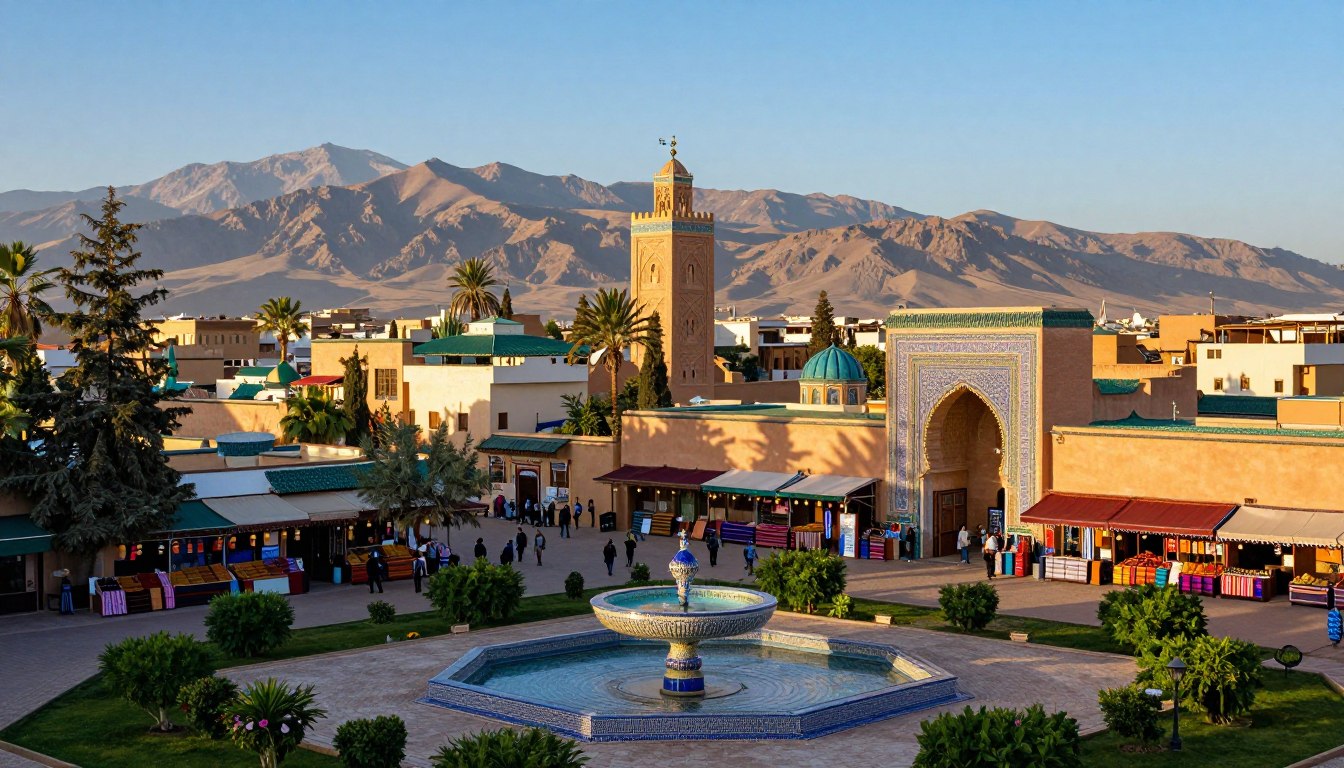
Marrakech stands as a dazzling gem in the heart of North Africa, inviting you to explore. Known as the “Red City” due to its distinctive rose-hued buildings, this city radiates as a jewel among all top Moroccan destinations. You will likely begin your adventure through the imperial cities here, captivated by its vibrant medina.
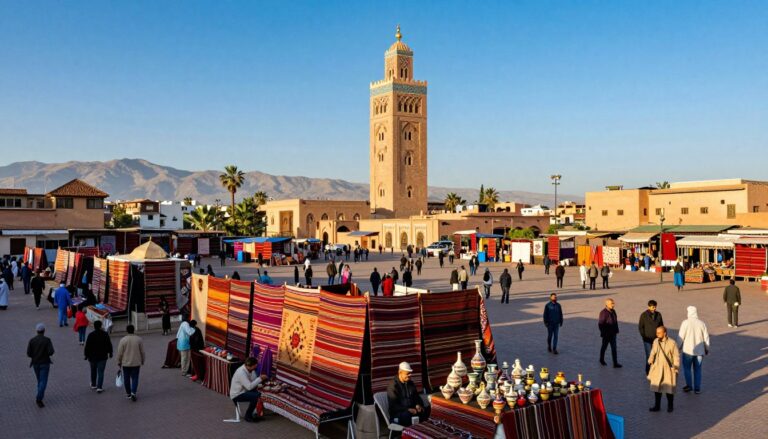
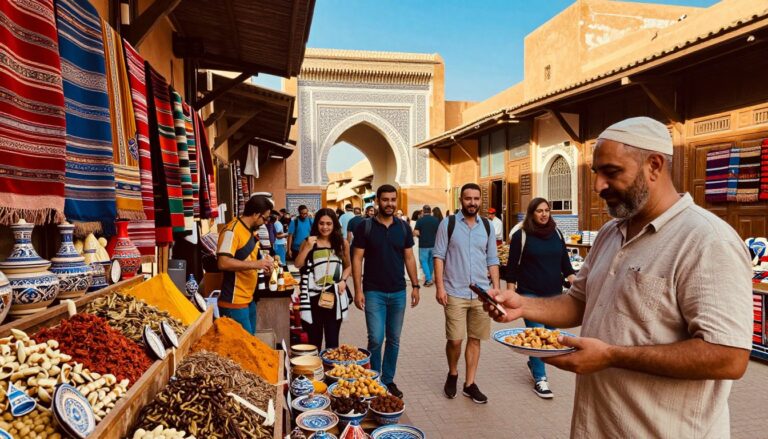
The medina is a UNESCO World Heritage site, where getting lost in the labyrinthine souks becomes a highlight rather than a frustration. The souks of Marrakech offer an intoxicating sensory experience filled with the aroma of exotic spices, the sight of handcrafted leather goods, and the sound of artisans at work in their tiny workshops.
The Vibrant Medina and Souks
As you wander through the bustling streets, you will find yourself surrounded by colorful stalls and friendly vendors. Each turn reveals a new treasure, from intricate ceramics to vibrant textiles. The souks are not just places to shop; they are a glimpse into the local culture and history.
Top Attractions: Jemaa el-Fnaa, Palaces, and Gardens
When you visit Jemaa el-Fnaa, prepare for a transformation unlike anything else. After sunset, the square becomes the world’s largest open-air restaurant, alive with the sounds of laughter and sizzling food. For the best views of the organized chaos below, head to a rooftop café like Le Grand Balcon du Café de la Poste, where you can sip mint tea while enjoying the spectacle.
The palaces and gardens of Marrakech, including the stunning Bahia Palace and the serene Majorelle Garden, offer peaceful retreats from the bustling medina streets. These sites are perfect for a leisurely stroll or a quiet moment of reflection amidst the vibrant energy of the city.
Insider Tips for Exploring Marrakech
To navigate the souks effectively, consider using a registered local guide. They can lead you to the best artisanal leather and spice vendors that you might otherwise miss. For a more authentic experience, visit the souks early in the morning when the light is beautiful and the crowds are thinner.
The ochre-colored walls of the old city glow with a particular warmth during the golden hour, making late afternoon the perfect time for photography and quiet contemplation. Marrakech is often described as the ochre heart of North Africa, and once you experience its unique energy, you will understand why it has captured the imagination of travelers for generations.
| Attraction | Description | Location |
|---|---|---|
| Jemaa el-Fnaa | The largest open-air restaurant in the world, bustling with food stalls and entertainment. | Central Marrakech |
| Bahia Palace | A stunning palace with beautiful gardens and intricate architecture. | Medina |
| Majorelle Garden | A serene garden showcasing exotic plants and vibrant colors. | Near the Medina |
Fes: The Intellectual and Historic Soul of Morocco
Fes, with its medieval charm, stands as a testament to the profound history and learning of this remarkable region. As you enter the UNESCO-listed medina of Fes el-Bali, you will feel as though you have stepped back in time. This ancient city boasts over 9,000 narrow streets, where donkeys still serve as the primary mode of transport, creating an atmosphere of authentic, living history.
The Ancient Medina and Al Quaraouiyine University
Fes is home to Al Quaraouiyine University, the world’s oldest continuously operating university, founded in 859 AD. This institution has been a center of learning for centuries, drawing scholars from across the globe. As you wander through the medina, the walls echo with the whispers of history, and you will be inspired by the intellectual legacy that permeates this city.
Experiencing Traditional Crafts at the Tanneries
When you visit the Chouara Tannery, you will stand overlooking stone vats of dye, where the centuries-old process of leather making continues. The vibrant colors of the dye and the skill of the artisans are mesmerizing. However, be prepared for the famously intense smell; locals recommend carrying a sprig of mint to your nose to enhance your experience.
Walking Through Centuries of Berber and Arab Heritage
As you stroll through the medina, traditional crafts await at every turn. From intricate zellij tilework to hand-beaten copperware, these creations are produced in tiny workshops that have been family-run for generations. The Berber and Arab heritage of Fes is woven into the very fabric of the city, evident in the architecture, cuisine, and daily rhythms of life.
Unlike other cities, Fes is less about glitz and more about raw, medieval history. You should set aside at least a full day to explore the medina properly. Its winding streets contain hidden treasures that reveal themselves only to those who take their time. Fes is truly the intellectual and historic soul of this vibrant nation, and your visit here will leave you with a profound appreciation for the kingdom’s rich cultural heritage.
Meknes: Imperial Architecture and the Legacy of Moulay Ismail
Nestled away from the more famous capitals, Meknes offers a unique blend of history and architecture. This city may not be as renowned as its imperial siblings, but it rewards visitors with grand gates, impressive walls, and fewer tourists. Sultan Moulay Ismail, one of Morocco’s most notable leaders, transformed Meknes into a stunning imperial city.
Your exploration of Meknes begins at Bab el-Mansour, the giant imperial gateway built by Sultan Moulay Ismail. This magnificent structure was designed to demonstrate the strength and magnificence of his new capital to rivals in Fez and Marrakech. The intricate tilework and towering presence of the gate are sure to impress you.
Exploring Bab el-Mansour and the Grand Gates
The grand gates and fortified walls of Meknes tell a story of ambition and power. As you walk through these monumental structures, you will feel the weight of history surrounding you. Each gate, adorned with exquisite designs, showcases the artistic prowess of the era.
The Royal Granaries and Stables: Heri es-Souani
Next, you will be awestruck by the Heri es-Souani, the royal granaries and stables that once housed an incredible 12,000 horses. This impressive site highlights the immense wealth and power of the sultan’s reign. Walking through the vast spaces, you can almost hear the echoes of the past, imagining the bustling activity that once filled these grand halls.
The Mausoleum of Moulay Ismail
When you visit the Mausoleum of Moulay Ismail, you will enter an architectural masterpiece. This site is highly regarded by both tourists and locals for its spiritual and aesthetic significance. The mausoleum features several levels of exquisite zellij tilework, enamel-painted wood, carved plaster, elegant arches, and marble columns. Sunlight filters beautifully through the windows, illuminating the intricate details.
Sultan Moulay Ismail, known for his formidable rule and lavish lifestyle, left behind a complex legacy that you can still feel in the stones of Meknes today. You should take your time exploring this city at a leisurely pace. Its more relaxed atmosphere allows for a deeper, more contemplative experience than the busier imperial cities.
A day spent in Meknes offers you a fascinating glimpse into the architectural marvels and dramatic history of the Alaouite dynasty that still influences the region today.
| Attraction | Description | Location |
|---|---|---|
| Bab el-Mansour | The grand gateway showcasing intricate tilework and monumental design. | Central Meknes |
| Heri es-Souani | The royal granaries and stables that once housed 12,000 horses. | Near the medina |
| Mausoleum of Moulay Ismail | An architectural masterpiece with stunning zellij tilework and marble columns. | Medina of Meknes |
Rabat: The Modern Imperial Capital
Rabat stands as a vibrant symbol of Morocco’s historical depth and modern dynamism. This capital city uniquely showcases a harmonious coexistence of rich history and contemporary life. As you explore, you will find that Rabat sets itself apart from other renowned cities in the kingdom.
Balancing History and Contemporary Life
Rabat, the capital of Morocco, offers you a fascinating blend of history and contemporary life that sets it apart from the other imperial cities on your journey. You will appreciate how this city manages to be both a functioning modern capital and a repository of centuries of Moroccan history.
Wide boulevards and government buildings exist alongside ancient fortifications, creating a unique urban landscape. The cultural landmarks of Rabat, including the Hassan Tower and the nearby Mohammed V Mausoleum, provide a unique Moroccan experience that combines imperial grandeur with contemporary relevance.
The Hassan Tower and Cultural Landmarks
The Hassan Tower stands as the most iconic landmark in Rabat. This incomplete minaret of a grand mosque was intended to be the largest in the world when construction began in the 12th century. When you visit the Hassan Tower, you will walk among the forest of columns that surround it, remnants of the ambitious project abandoned after the death of Sultan Yaqub al-Mansur.
The Hassan Tower complex gives you a profound sense of the scale of medieval Islamic architecture and the grand visions of Morocco’s Almohad dynasty. It’s a site that resonates with the echoes of history while standing as a testament to the artistic aspirations of its time.
Why Rabat Offers a Unique Moroccan Experience
As you explore Rabat, you will notice that it feels more relaxed and organized than Marrakech or Fes. This provides a welcome change of pace during your imperial cities tour. The city’s coastal location along the Atlantic Ocean adds another dimension to your visit, with refreshing sea breezes and beautiful ocean views complementing the historical attractions.
Rabat proves that an imperial city can evolve with the times while still honoring its past. Your time here will round out your understanding of the kingdom’s diverse urban heritage. So, make sure to include Rabat in your travel plans when you visit Morocco.

Desert Adventures: Merzouga, Zagora, and Beyond
The vastness of the Sahara Desert offers an adventure like no other. This stunning landscape, with its endless golden waves, will likely become the highlight of your trip. As you explore, you will discover the unique experiences that each desert location has to offer.
Experiencing the Sahara’s Endless Sands
When choosing between Merzouga and Zagora for your desert tour, it’s essential to understand their differences. Merzouga features the iconic high golden sand dunes, known from movies like The Mummy. These dunes stretch roughly 50 km from north to south, creating a breathtaking view.
A desert tour from Marrakech to Merzouga typically requires at least 3 days. This journey involves a 9-hour drive each way, but the payoff is immense. You will be rewarded with a stunning sea of sand that stretches as far as the eye can see.
Choosing Between Merzouga and Zagora Desert Tours
Zagora offers a quicker desert experience, reachable in a 2-day tour from Marrakech. However, the dunes here are smaller, and the landscape features more stony reg than the towering erg of Merzouga. This makes Zagora a suitable option for those short on time.
In 2026, private desert tours have become the gold standard. You can travel in a comfortable 4×4 with luxury amenities. This allows you to stop at incredible locations like the Dades Gorges at your own pace.
Luxury and Private Desert Tours in 2026
During your journey, you will have the chance to visit Ait Ben Haddou Kasbah, a UNESCO World Heritage site. This location has been featured in films like Gladiator and Game of Thrones, adding a cinematic touch to your desert adventure.
The experience of being alone in the desert as the sun sets transforms a simple tour into a profound memory. For those looking for a quicker escape, the Agafay Desert is just 45 minutes from Marrakech. This stone desert is now a center for luxury travel, offering glamping in white canvas tents.
Here, you can enjoy infinity pools and candlelit dinners under the stars. The views of the Sahara’s endless sands at sunrise and sunset will humble even the most seasoned travelers. Your heart will carry a piece of the desert with you long after you return home.
The Atlas Mountains: Hiking, Culture, and Mount Toubkal
The majestic Atlas Mountains beckon with their snow-capped peaks and vibrant valleys. This stunning range slices through the heart of North Africa, offering you a sweet escape from bustling medina life and Saharan heat. Here, you will find timeless Berber villages nestled among the breathtaking landscapes.
With trekking routes suitable for every ability level, the Atlas Mountains invite you to explore. From gentle day walks through the Ourika Valley, where terraced gardens burst with cherry blossoms in spring, to challenging multi-day journeys through remote Berber communities, adventure awaits you.
Trekking Routes and Scenic Valleys
Imlil serves as your gateway to Mount Toubkal, the highest peak in North Africa at 4,167 meters. Most adventures here begin with sweet mint tea in a local guesthouse before the morning light guides your ascent. As you trek toward Mount Toubkal, mules will carry your supplies while you drink in the spectacular mountain vistas.
Eventually, you will reach the Toubkal Refuge at 3,207 meters, where mountaineers gather to share stories and experiences. The scenic valleys of the Atlas Mountains offer some of the most breathtaking views in all of the country, with every turn in the trail revealing a new panorama more stunning than the last.
Visiting Berber Villages and Homestays
Visiting Berber villages and experiencing homestays in the Atlas Mountains gives you an authentic glimpse into a way of life that has remained largely unchanged for centuries. The Berber hospitality you will encounter often feels more luxurious than any five-star restaurant experience.
Imagine enjoying home-cooked couscous on a stone terrace overlooking the valley, surrounded by the warmth of local people. This cultural immersion adds depth to your trip, making it truly memorable.
Imlil: Gateway to Mount Toubkal
Imlil is not just a town; it is a starting point for many memorable adventures. This charming village is the perfect place to rest before your ascent. You will find friendly guesthouses and stunning views that make your stay enjoyable.
Discovering Ifrane, Morocco’s “Little Switzerland”
Don’t miss discovering Ifrane, known as Morocco’s surprising “Little Switzerland.” Here, you can wander through fragrant cedar forests and watch playful Barbary macaques swing through the branches overhead. Ifrane features the famous Lion Rock, carved during WWII, standing guard over alpine meadows.
In winter, the town transforms into a snowy playground where Moroccan families glide down ski slopes beneath North African skies. The contrast between the mountains and the valleys creates a unique experience that you will cherish long after your visit.
Exploring Coastal Cities Near the Imperial Heartland
The coastal cities of this North African nation offer a refreshing escape from the historical treasures found inland. Here, you can immerse yourself in the rich maritime culture while enjoying stunning ocean views. Let’s explore some of the most captivating coastal destinations.
Casablanca: The Economic and Cultural Hub
Casablanca stands as the economic powerhouse of the country. You will be awestruck by the magnificent Hassan II Mosque, which dramatically overlooks the Atlantic Ocean. Its 210-meter minaret is the tallest religious structure in the world.
When you visit the Hassan II Mosque, you will appreciate its intricate details and breathtaking oceanfront location. It is one of the few mosques in the country that non-Muslims can enter, allowing you a rare opportunity to admire its stunning interior craftsmanship up close.
Essaouira: The Artistic Atlantic Port
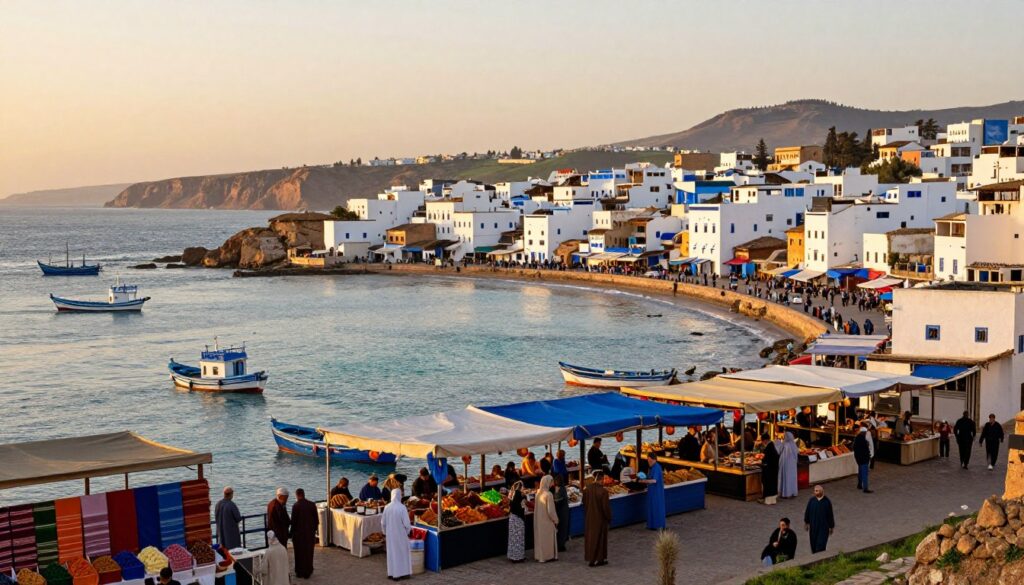
Essaouira offers you a completely different coastal experience with its laid-back vibe and historic medina. You will love wandering through the bustling port filled with blue fishing boats and watching local artisans create intricate woodwork from fragrant thuya wood in their workshops.
Fans of Game of Thrones might recognize Essaouira’s scenic fortifications, which served as a filming location for the series. The town’s pristine beaches are perfect for windsurfers riding the Atlantic breezes throughout the year.
Agadir and Asilah: Modern Beaches and Artistic Vibes
Agadir rose from devastating earthquake ruins in 1960, embracing an entirely new identity. Today, it welcomes you with wide boulevards lined with swaying palms and seaside promenades perfect for evening strolls.
Asilah charms visitors with its famous art scene. You will understand why photographers and painters are drawn to capture the interplay of shadow and brilliance against the town’s alabaster walls. These coastal cities near the imperial heartland provide you with the perfect opportunity to relax by the water after days of intensive sightseeing in the medinas and desert landscapes.
| City | Description | Highlight |
|---|---|---|
| Casablanca | The economic hub with modern architecture and rich culture. | Hassan II Mosque |
| Essaouira | A charming port city known for its laid-back atmosphere and art scene. | Windsurfing and thuya wood artisans |
| Agadir | A modern beach resort city with wide boulevards and palm trees. | Seaside promenades |
| Asilah | A picturesque town famous for its vibrant art scene. | Alabaster walls and artistic vibes |
Practical Tips for Visiting Morocco Imperial Cities in 2026
When planning your journey through the majestic cities of this vibrant country, knowing a few practical tips can enhance your experience. From the best times to visit to essential packing considerations, these insights will prepare you for an unforgettable adventure.
When Is the Best Time to Visit?
Understanding the best time to visit is crucial for your adventure. Spring (March to May) and autumn (September to November) offer mild weather, making it ideal for exploration. During these shoulder seasons, you will find thinner crowds and pleasant temperatures.
Be aware that summer months (June to August) can bring extreme heat, especially in inland cities like Marrakech and Fes. If you plan to experience the desert, autumn is particularly ideal. The sand is cooler, and the evening temperatures are perfect for camping under the stars.
Travel Safety and Local Etiquette
Travel safety in this country is generally excellent. It is considered one of the safest destinations in Africa, with dedicated Tourist Police deployed in all major medinas to assist visitors like you. Dressing modestly is important, especially in rural areas. Women should cover their shoulders and knees as a sign of respect for local customs.
Understanding local etiquette will enhance your experience significantly. Always use your right hand for eating and shaking hands, as the left hand is traditionally reserved for hygiene purposes. Additionally, always ask permission before taking photos of people, particularly women and those in traditional attire.
Essential Packing and Cultural Considerations
When packing for your trip, consider bringing a reusable water bottle. You should never drink tap water in this country; instead, use bottled water, even for brushing your teeth. Carrying hand sanitizer is also a good idea, as it can help you stay healthy during your travels.
The weather can vary dramatically between coastal areas, mountain regions, and the desert. Pack layers that allow you to adapt to changing conditions throughout your journey. This way, you can fully enjoy your time in the captivating cities and diverse landscapes.
Planning Your Morocco Imperial Cities Guide 2026 Itinerary
Crafting the perfect itinerary for your adventure in these captivating destinations is essential for an unforgettable experience. With so much to see and do, knowing how to allocate your time can enhance your trip significantly.
A 7-10 day trip serves as an excellent starting point for exploring major highlights. The classic “Golden Triangle” itinerary takes you through Marrakech, Fes, and Meknes over this period. You will have enough time to experience each city’s unique character without feeling rushed.
The Golden Triangle: Marrakech, Fes, and Meknes in 7-10 Days
Follow a proven day-by-day plan:
- Spend days 1-2 exploring Marrakech’s souks and palaces.
- Dedicate day 3 to an Atlas Mountains day trip to Imlil.
- Use days 4-6 for a desert tour to Merzouga via Ait Ben Haddou and the Dades Valley.
- Continue with days 7-8 in Fes, exploring the ancient medina and tanneries.
- Finish with days 9-10 visiting the blue city of Chefchaouen before departing from Tangier or Casablanca.
Extended Itineraries: Including Desert and Mountains (12-14 Days)
For those with more time, extended itineraries of 12-14 days allow you to add Essaouira to your journey. Here, you can enjoy fresh sardines by the harbor while watching the blue fishing boats bob in the Atlantic.
Tips for Maximizing Your Experience with Local Guides
Hiring local guides in each city is one of the best ways to maximize your experience. They can navigate the complex medinas, share insider knowledge, and connect you with authentic artisans.
A local guide will help you avoid common pitfalls, such as getting lost in the 9,000 streets of Fes or overpaying in the souks. Remember that the drive from Marrakech to Merzouga takes approximately 9 hours, so building in adequate travel days is essential for a comfortable trip.
The key to a successful itinerary is finding the right balance between structured sightseeing and free time to wander. This way, you can allow for serendipitous discoveries that often become cherished memories.
Whether you choose the 7-10 day Golden Triangle or the 12-14 day extended adventure, your itinerary will be filled with unforgettable experiences that you will treasure for a lifetime.
Conclusion: Embark on Your Unforgettable Journey Through Morocco’s Imperial Cities
As you prepare to embark on your unforgettable journey through the imperial cities, remember that exploring this vibrant country is a call to experience the world anew. Your visit will reveal a place where a simple cup of mint tea transforms into a sacred ceremony, and where desert tours redefine your understanding of silence and time.
The cities you’ve discovered—Marrakech, Fes, Meknes, and Rabat—each offer a unique window into the soul of this nation and its rich history. Whether you choose a grand tour or focus on specific destinations, you’ll carry a piece of the red dust in your heart long after you return home.
The memories you create, from wandering ancient medinas to sharing meals with Berber families, will stay with you for a lifetime. With improved accessibility and a commitment to authentic experiences, this country is more welcoming than ever Morocco’s Imperial Cities
Now that you have the insights needed to plan your adventure, embrace the magic that lies not only in its monuments but in the warmth of its people. Keep an open heart and mind, and you’ll discover that the treasures of this journey await you.