Camel Trekking in Morocco 2026: Your Ultimate Desert Adventure Guide
Have you ever dreamed of swaying gently atop a camel as golden dunes stretch endlessly before you, the Sahara Desert whispering ancient secrets with every breeze? Planning a Camel trekking in Morocco 2026 adventure offers more than just a vacation—it’s a transformative journey into one of the world’s most mystical landscapes.
Table of Contents
Morocco’s desert experiences combine cultural immersion, breathtaking natural beauty, and unforgettable moments under star-filled skies. Whether you’re seeking spiritual renewal, photographic opportunities, or simply an escape from modern life’s chaos, Morocco camel trekking 2026 promises an authentic adventure that will remain etched in your memory forever. With proper planning and understanding of what awaits, your Sahara expedition can become the highlight of your travel portfolio, offering encounters with Berber traditions, stunning sunset vistas, and the profound silence of endless sand seas.
Travel Essentials
Preparing properly for your Moroccan desert trek ensures comfort and safety throughout your journey. Here’s everything you’ll need:
Documents and Money:
– Valid passport (with at least 6 months validity)
– Travel insurance covering adventure activities
– Printed booking confirmations
– Cash in Moroccan Dirhams (MAD) for tips and local purchases
– Credit/debit cards for emergencies
– Photocopies of important documents
Clothing:
– Lightweight, long-sleeved shirts (for sun protection)
– Comfortable hiking pants or loose trousers
– Long skirt or loose dress (respectful and practical)
– Light jacket or fleece for cold desert nights
– Comfortable closed-toe shoes or hiking boots
– Sandals for camp relaxation
– Wide-brimmed hat or turban scarf
– Sunglasses with UV protection
Gear and Accessories:
– Small backpack for day items
– Headlamp or flashlight with extra batteries
– Power bank for charging devices
– Camera with extra memory cards and batteries
– Reusable water bottle
– Personal toiletries in travel sizes
– Wet wipes and hand sanitizer
– Sunscreen (SPF 50+)
– Lip balm with SPF
Optional Items:
– Sleeping bag liner for added comfort
– Binoculars for wildlife spotting
– Journal and pen for recording memories
– Small first-aid kit with personal medications
– Portable solar charger
Timing / Travel Schedule
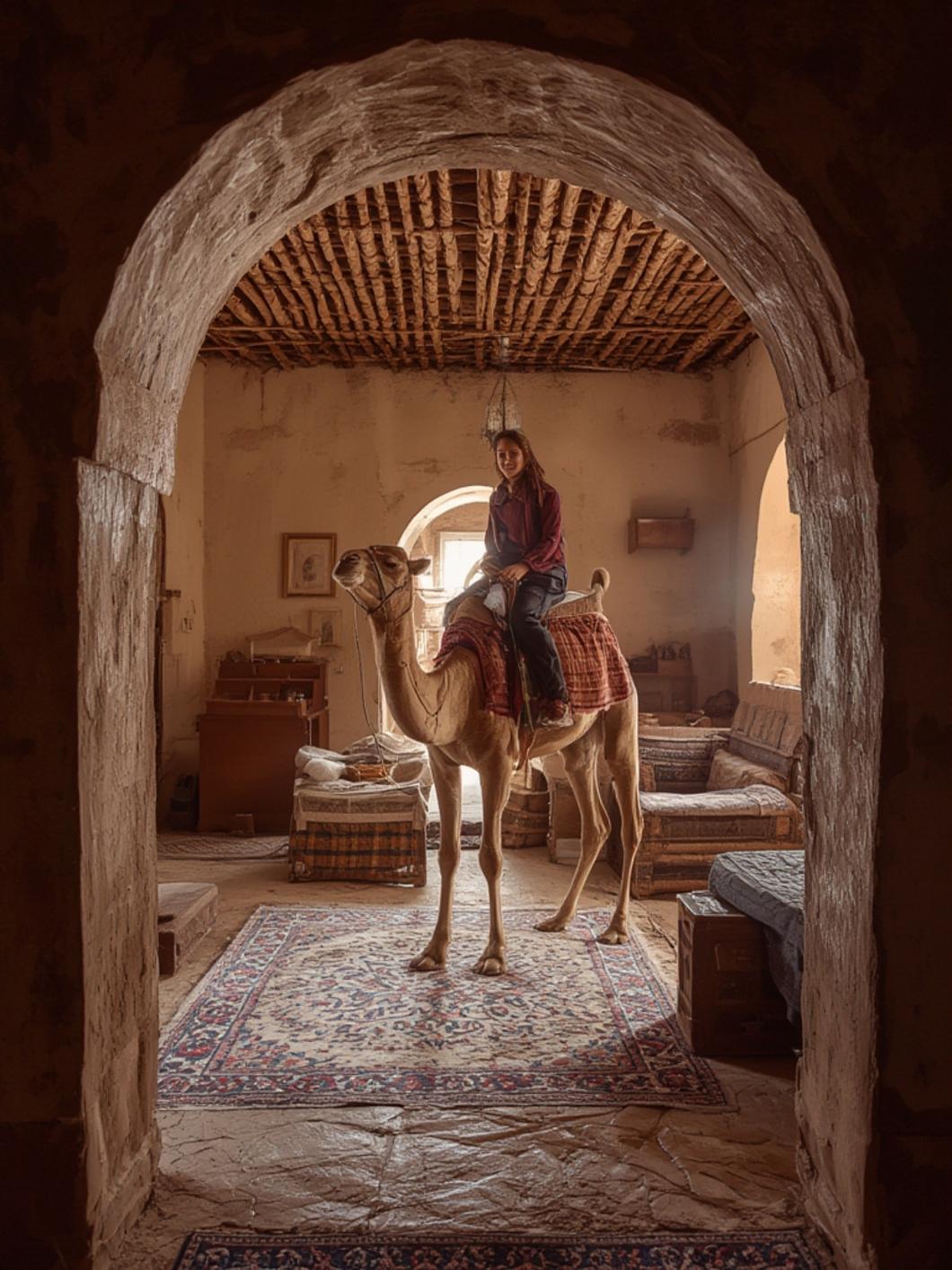
The ideal period for camel trekking in Morocco spans from October through April, when temperatures remain comfortable during daytime (20-25°C/68-77°F) and cool at night (5-10°C/41-50°F). Summer months (June-August) bring extreme heat exceeding 45°C (113°F), making trekking challenging and potentially dangerous.
Recommended Schedule:
– Preparation time: 2-3 months advance booking (especially for 2026 peak seasons)
– Best months: March-April and October-November offer perfect weather
– Trek duration: 2-4 days for full immersion (though overnight trips are available)
– Daily schedule: Typically start early morning (8-9 AM), trek 4-6 hours with breaks, arrive at camp before sunset
Seasonal Highlights:
– Spring (March-May): Wildflowers bloom in certain areas, moderate temperatures
– Autumn (September-November): Clear skies, comfortable evenings, fewer tourists
– Winter (December-February): Cooler days, cold nights requiring warm sleeping arrangements
Most treks depart from Merzouga or M’Hamid, requiring overnight stays before and after your desert experience. Plan for at least 4-5 days total when including travel time from major cities like Marrakech or Fes.
Step-by-Step Instructions
Step 1: Research and Book Your Tour
Start by researching reputable tour operators specializing in Camel trekking in Morocco 2026. Read recent reviews, compare itineraries, and verify what’s included (meals, guides, accommodation). Book 2-3 months ahead for better availability and pricing.
Step 2: Arrange Transportation
Most tours include pickup from nearby towns, but confirm logistics. If traveling independently, arrange transport to Merzouga or your starting point. Consider hiring a private driver or taking organized buses from major cities.
Step 3: Prepare Physically
While camel trekking doesn’t require extreme fitness, prepare your body by taking regular walks and practicing sitting in various positions. Camel riding uses different muscles and can cause soreness if unprepared.
Step 4: Pack Strategically
Use the essentials list above, but pack light. Most operators provide saddle bags with limited space. Bring only necessities in a soft bag rather than hard luggage.
Step 5: Meet Your Guide and Caravan
Upon arrival, meet your guide and camel handlers. They’ll provide brief orientation on mounting, dismounting, and riding safely. Don’t hesitate to ask questions about the route and what to expect.
Step 6: Begin Your Trek
Mount your camel (usually while it’s sitting) and hold the saddle pommel as it stands. The rocking motion becomes rhythmic once you relax. Enjoy the landscape, take photos, and embrace the slow pace.
Step 7: Experience Desert Camp Life
Upon reaching camp, dismount carefully and settle into your accommodation (usually traditional Berber tents). Participate in camp activities, enjoy traditional meals, and engage with local guides to learn about Berber culture.
Step 8: Stargaze and Enjoy Evening Activities
Desert nights offer spectacular stargazing opportunities with minimal light pollution. Many camps provide traditional music around campfires, creating magical evening atmospheres.
Step 9: Wake for Sunrise
Rise early to witness breathtaking Sahara sunrises. The changing colors across dunes create photographer’s paradise and spiritual moments of reflection.
Step 10: Return Journey and Reflection
Complete your trek, tip your guides appropriately (standard is 50-100 MAD per person per day), and reflect on your transformative Morocco camel trekking 2026 experience.
Advantages of the Destination
Morocco’s desert regions offer unparalleled advantages for travelers seeking authentic experiences:
Cultural Immersion: Engage directly with Berber communities who’ve inhabited these regions for millennia. Learn about traditional nomadic lifestyles, hospitality customs, and desert survival wisdom passed through generations.
Photographic Opportunities: The Sahara’s ever-changing dunes, dramatic lighting conditions, and vibrant cultural elements provide endless photography potential. Golden hour shots, star trails, and portrait opportunities abound.
Digital Detox: Limited connectivity in the desert encourages genuine disconnection from digital distractions, allowing mindful presence and personal reflection rarely possible in modern life.
Accessible Adventure: Unlike extreme expeditions requiring technical skills, camel trekking accommodates various fitness levels and ages, making desert adventure accessible to families, seniors, and novice travelers.
Affordable Luxury: Compared to similar desert experiences worldwide, Morocco offers exceptional value with authentic experiences, comfortable camps, and inclusive packages at reasonable prices.
Spiritual Renewal: The desert’s vastness, silence, and ancient energy create powerful environments for meditation, self-discovery, and perspective-shifting experiences.
Tips, Alternative Methods, or Travel Advice
Budget-Friendly Options:
– Join group tours rather than private expeditions (reducing costs by 40-60%)
– Book directly with local operators in Merzouga instead of through international agencies
– Consider shorter overnight treks instead of multi-day expeditions
– Travel during shoulder season (November or March) for better pricing
Solo Traveler Considerations:
Solo adventurers can easily join group tours, often at single-supplement rates. Many operators facilitate connections between solo travelers interested in sharing costs. Morocco is generally safe for solo travelers, though joining organized tours provides additional security and social opportunities.
Family-Friendly Adaptations:
Choose shorter treks (overnight rather than multi-day) for children. Some operators provide smaller camels or walking options for very young travelers. Ensure your chosen operator has family experience and appropriate safety measures.
Luxury Alternatives:
Upgrade to glamping experiences with private desert camps featuring en-suite bathrooms, gourmet meals, and premium amenities while maintaining authentic atmosphere. Some luxury operators offer 4×4 support vehicles for added comfort.
Seasonal Adjustments:
If traveling during cooler months, bring warmer sleeping clothes and layers. Summer travelers should consider dawn departures with afternoon rest periods, though most operators discourage summer treks altogether.
Cultural Sensitivity Tips:
Dress modestly (covering shoulders and knees), ask permission before photographing locals, learn basic Arabic or French greetings, and respect prayer times and customs. Tipping is customary and expected—prepare small bills for various service providers.
Common Mistakes to Avoid
Mistake 1: Underpacking Sun Protection
Solution: Many travelers underestimate desert sun intensity. Bring SPF 50+ sunscreen, reapply every two hours, wear protective clothing, and use lip balm with SPF. The desert reflects sunlight, increasing exposure from multiple angles.
Mistake 2: Wearing Inappropriate Footwear
Solution: Avoid flip-flops or open sandals while trekking. Sand becomes extremely hot, and closed-toe shoes prevent burns and blisters. Save sandals for camp relaxation only.
Mistake 3: Booking Unrealistically Cheap Tours
Solution: Extremely low-priced tours often cut corners on safety, guide quality, food standards, and camel welfare. Research operators thoroughly and expect to pay fair prices (typically 300-600 MAD per person per day for quality experiences).
Mistake 4: Overpacking
Solution: Limited storage on camels means bringing excessive luggage causes problems. Pack only essentials in soft bags. Most camps provide blankets and sleeping arrangements, so heavy sleeping bags are unnecessary.
Mistake 5: Failing to Hydrate Properly
Solution: Dehydration happens quickly in desert environments. Drink water consistently throughout the day, even when not feeling thirsty. Most tours provide water, but bring a reusable bottle for easy access.
Mistake 6: Ignoring Physical Limitations
Solution: Camel riding can strain back, hips, and legs. Communicate any physical concerns with guides beforehand. Take breaks when needed and don’t push through serious discomfort.
Mistake 7: Not Bringing Cash
Solution: Remote desert areas have no ATMs or card payment options. Bring sufficient cash for tips, souvenirs, and optional extras. Calculate approximately 200-300 MAD per person for tips and incidentals.
Mistake 8: Expecting Modern Amenities
Solution: Embrace rustic conditions. Most camps have basic toilets (often squat-style), no showers, and limited electricity. Set realistic expectations for authentic desert experiences rather than resort-style comfort.
Storage / Maintenance Tips
Photography and Memory Management:
Back up photos regularly if you have device access. Bring extra memory cards and protect cameras from sand by keeping them in sealed bags when not in use. Clean equipment thoroughly after your trek, as fine sand infiltrates everything.
Budget Tracking:
Use travel apps like Trail Wallet or TravelSpend to monitor expenses in real-time. Note cash transactions immediately, as receipts may be unavailable. Set daily spending limits to stay within budget.
Travel Journal Maintenance:
Document experiences daily while memories remain fresh. Note specific details like guide names, camel names, meals enjoyed, and personal reflections. These details become precious when reviewing your journey later.
Planning for Future Trips:
Save operator contact information, note what worked well and what to adjust, and collect recommendations from fellow travelers. Morocco offers diverse regions worth exploring—your desert experience may inspire Atlas Mountain treks or coastal adventures.
Seasonal Planning Tools:
Use weather tracking apps to monitor Morocco’s climate patterns. Subscribe to travel deal newsletters for your preferred operators to catch early-bird discounts for future trips.
Photo Organization:
Create dedicated albums immediately after your trip, organizing by day or theme. Tag photos with locations and names while you remember details. Consider creating physical photo books to preserve highlights without relying solely on digital storage.
Equipment Care:
After returning home, thoroughly clean all gear exposed to desert sand. Wash clothing immediately, clean camera equipment carefully, and check backpacks and shoes for remaining sand. Store equipment properly for longevity.
Conclusion
Embarking on a Camel trekking in Morocco 2026 adventure offers transformative experiences that transcend typical tourism. From swaying atop gentle camels across golden dunes to sleeping under impossibly starry skies, your Sahara journey will create lasting memories and provide perspectives unavailable in everyday life.
By following this comprehensive guide—packing appropriately, choosing optimal timing, selecting reputable operators, and maintaining cultural sensitivity—you’ll maximize your desert adventure while minimizing common pitfalls. The advantages of visiting Morocco’s desert regions extend beyond beautiful landscapes to include meaningful cultural exchanges, affordable luxury, and personal growth opportunities. Whether you’re a solo adventurer, family traveler, or couple seeking romance, Morocco camel trekking 2026 accommodates diverse travel styles and budgets.
Don’t let this opportunity pass—start planning your desert expedition today, and prepare for an adventure that will redefine your understanding of natural beauty and human connection. Share your experiences in the comments below, inspire others with your stories, and explore our related posts about Moroccan travel destinations to continue your journey of discovery.
FAQs
Q1: Is camel trekking in Morocco safe for beginners?
Yes, camel trekking in Morocco is very safe for beginners. Reputable operators provide gentle, well-trained camels and experienced guides who offer riding instructions. The pace is slow and relaxed, making it accessible for people without prior experience. Choose licensed operators with good reviews, and communicate any concerns with your guide for a worry-free experience.
Q2: What is the best time of year for camel trekking in Morocco?
The optimal periods are March through May and September through November, when daytime temperatures range from 20-25°C (68-77°F) with comfortable evenings. Avoid summer months (June-August) when temperatures exceed 45°C (113°F), making trekking uncomfortable and potentially dangerous. Winter (December-February) offers cooler days but requires warm layers for cold nights.
Q3: How much should I budget for a camel trekking experience?
Budget approximately 300-600 MAD (30-60 USD) per person per day for quality tours including meals, accommodation, guides, and camel transport. Add 200-300 MAD for tips, drinks, and souvenirs. Multi-day treks cost 1,500-3,000 MAD total depending on luxury level and group size. Booking directly with local operators typically offers better value than international agencies.
Q4: What should I wear for camel trekking in the desert?
Wear loose, lightweight, long-sleeved clothing that covers arms and legs for sun protection and cultural respect. Choose breathable fabrics like cotton or linen. Bring closed-toe comfortable shoes, a wide-brimmed hat, and sunglasses. Layer for temperature changes—deserts can be hot during day but quite cold at night. Pack a scarf or turban for additional sun and sand protection.
Q5: Can I do camel trekking if I have back problems or limited mobility?
Camel riding can strain the back due to the rocking motion, so consult your doctor beforehand if you have existing issues. However, many operators accommodate travelers with mobility limitations by offering shorter rides, frequent breaks, or alternative transport options with 4×4 support vehicles. Communicate your needs clearly when booking to ensure appropriate arrangements and maximize comfort throughout your desert adventure.