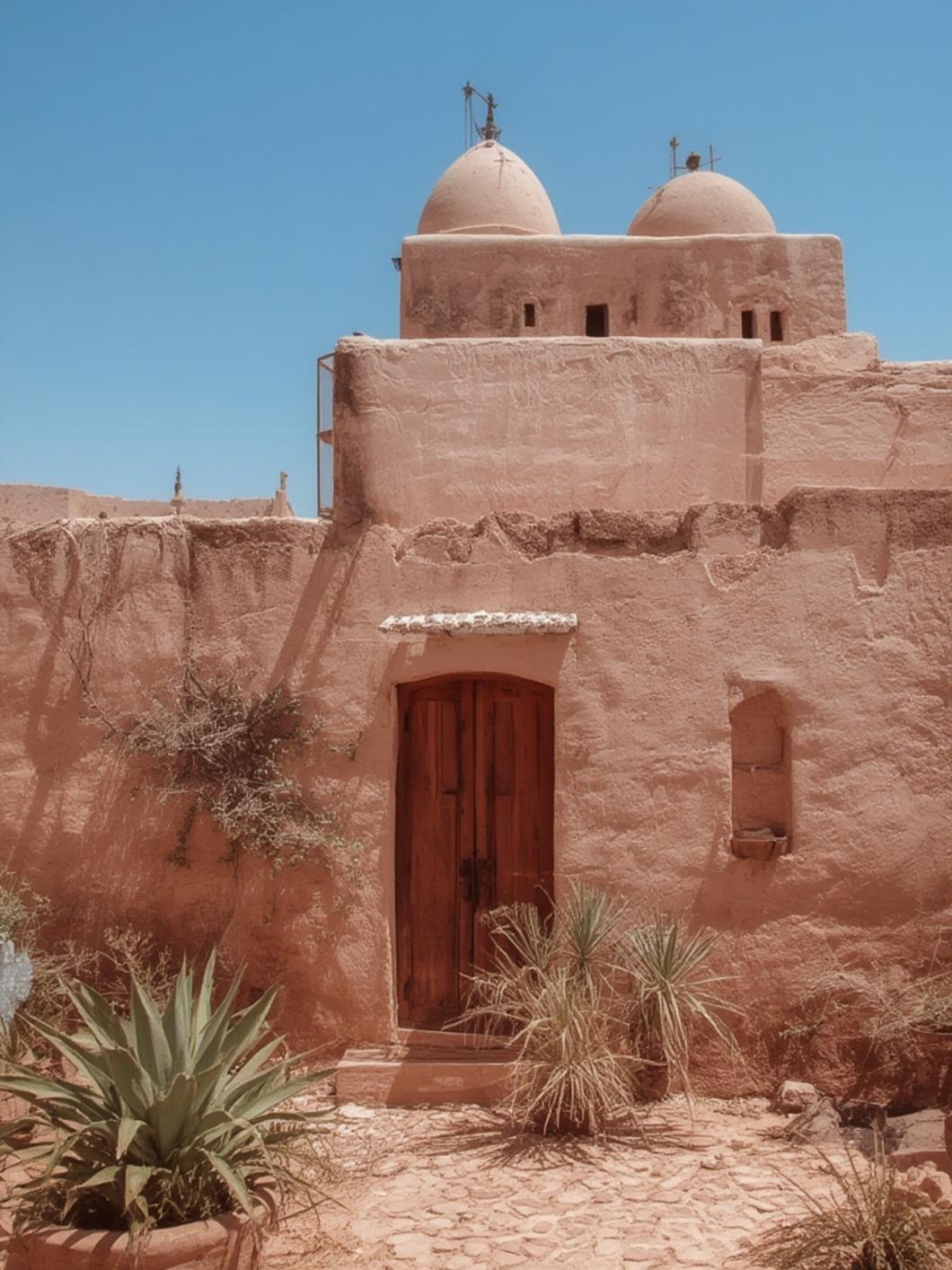
Essaouira Travel Guide 2026: Your Complete Blueprint for Morocco’s Coastal Gem
Have you ever dreamed of wandering through whitewashed medinas where Atlantic winds carry the scent of fresh seafood and argan oil? Essaouira, Morocco’s enchanting coastal city, offers an irresistible blend of bohemian charm, rich history, and stunning ocean vistas that captivate every traveler.
Thank you for reading this post, don't forget to subscribe!Table of Contents
Planning your journey to this UNESCO World Heritage site ensures you’ll maximize your experience while navigating its labyrinthine streets, vibrant souks, and windswept beaches with confidence. Whether you’re seeking cultural immersion, culinary adventures, or simply a peaceful escape, understanding the essentials of visiting Essaouira in 2026 will transform your Moroccan adventure from ordinary to extraordinary. This Essaouira travel guide 2026 will walk you through everything you need to know for an unforgettable coastal retreat.
Travel Essentials
Before embarking on your Essaouira adventure, gathering the right materials and documents will ensure a smooth, stress-free journey:
Essential Documents:
– Valid passport (with at least 6 months validity beyond your travel dates)
– Visa documentation (check current Morocco entry requirements for your nationality)
– Travel insurance policy covering medical emergencies and trip cancellations
– Digital and physical copies of hotel reservations and flight confirmations
– International driver’s license if planning to rent a vehicle
Clothing and Accessories:
– Lightweight, breathable layers (Essaouira’s coastal climate can be breezy year-round)
– Comfortable walking shoes with good grip for cobblestone streets
– Light windbreaker or jacket for evening beach strolls
– Sun protection: wide-brimmed hat, sunglasses, and SPF 50+ sunscreen
– Modest clothing for visiting religious sites (covering shoulders and knees)
– Swimwear for beach activities
Technology and Navigation:
– Smartphone with offline maps (Maps.me or Google Maps downloaded)
– Portable power bank (10,000mAh minimum)
– Universal travel adapter (Morocco uses European-style Type C and E plugs)
– Camera or smartphone with quality photo capabilities
– VPN service for secure internet access
Optional but Recommended:
– Reusable water bottle with filtration system
– Small backpack or crossbody bag for day trips
– Arabic/French phrasebook or translation app
– Notebook for journaling experiences
– Earplugs for light sleepers in medina riads
Timing / Travel Schedule
Understanding Essaouira’s seasonal patterns helps you plan the perfect visit. The ideal travel period spans from April through June and September through November, when temperatures hover comfortably between 20-25°C (68-77°F) and tourist crowds thin out considerably.
Preparation Timeline:
– 3-6 months before: Book flights and accommodations, especially during festival periods
– 2 months before: Research activities, make restaurant reservations at popular spots
– 1 month before: Confirm bookings, arrange travel insurance, check weather forecasts
– 1 week before: Exchange currency, download offline resources, pack essentials
Sample 3-Day Itinerary:
– Day 1: Explore the medina, visit the historic ramparts, sunset at Skala de la Ville
– Day 2: Beach activities, visit the fishing port, browse artisan workshops
– Day 3: Day trip to nearby Paradise Valley or Sidi Kaouki beach
Peak season (July-August) brings the famous Gnaoua World Music Festival but also higher prices and crowds. Winter months (December-February) offer budget-friendly rates but windier conditions—perfect for kite surfers but potentially challenging for casual beach-goers.
Step-by-Step Instructions
Follow these actionable steps to maximize your Essaouira experience:
Step 1: Arrive and Acclimate
Land at Essaouira-Mogador Airport or travel from Marrakech (approximately 3 hours by bus or car). Check into your riad within the medina for authentic Moroccan hospitality. Spend your first afternoon wandering without a specific agenda—getting beautifully lost in the medina’s maze is part of the charm. Pro tip: Download the coordinates of your accommodation; street names can be confusing.
Step 2: Explore the Historic Medina
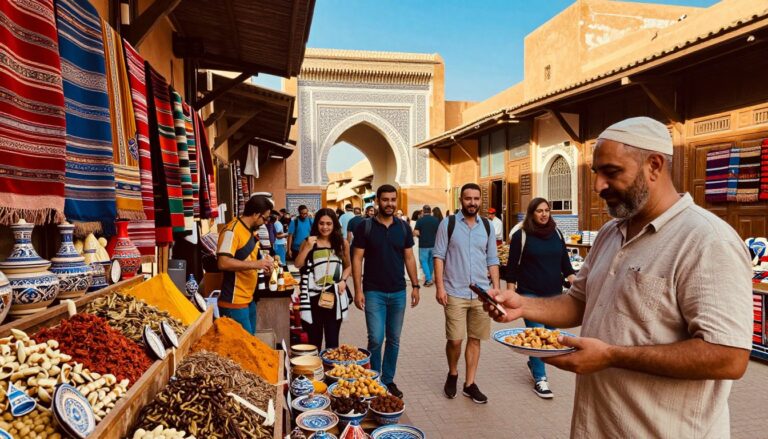
Begin at Bab Doukkala, the main northern gate, and work your way through the souks. Unlike Marrakech, Essaouira’s vendors are notably low-pressure. Visit the UNESCO-protected Skala de la Ville fortress walls for panoramic ocean views and iconic blue fishing boats. Allocate 3-4 hours for unhurried exploration. This Essaouira travel tips 2026 recommendation: hire a local guide for your first medina tour to understand historical context.
Step 3: Experience the Fishing Port
Arrive at the port around 3-4 PM when boats return with daily catches. Watch fishermen auction their haul, interact with friendly cats lounging on docks, and select fresh seafood to be grilled at nearby stalls for incredibly affordable prices (typically 30-50 MAD/$3-5 per person).
Step 4: Engage with Artisan Culture
Essaouira is renowned for thuya wood craftsmanship and argan oil production. Visit cooperative workshops where you can observe artisans at work and purchase authentic products directly. The Coopérative Féminine d’Huile d’Argan demonstrates traditional oil extraction methods while supporting local women’s economic independence.
Step 5: Beach and Water Activities
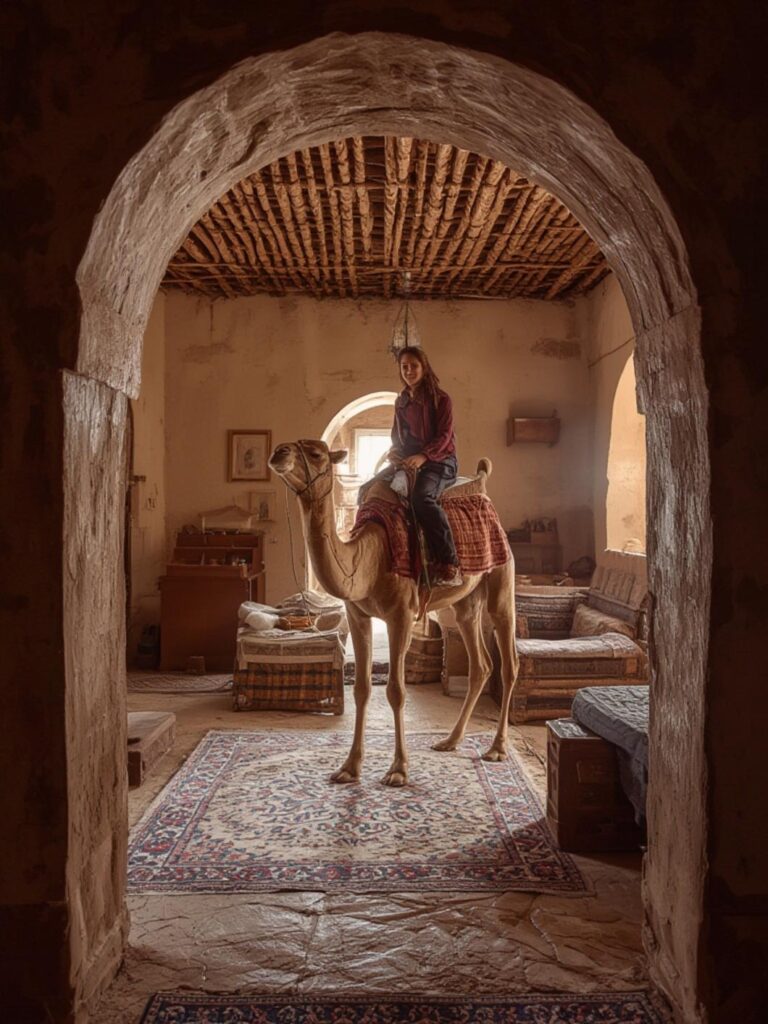
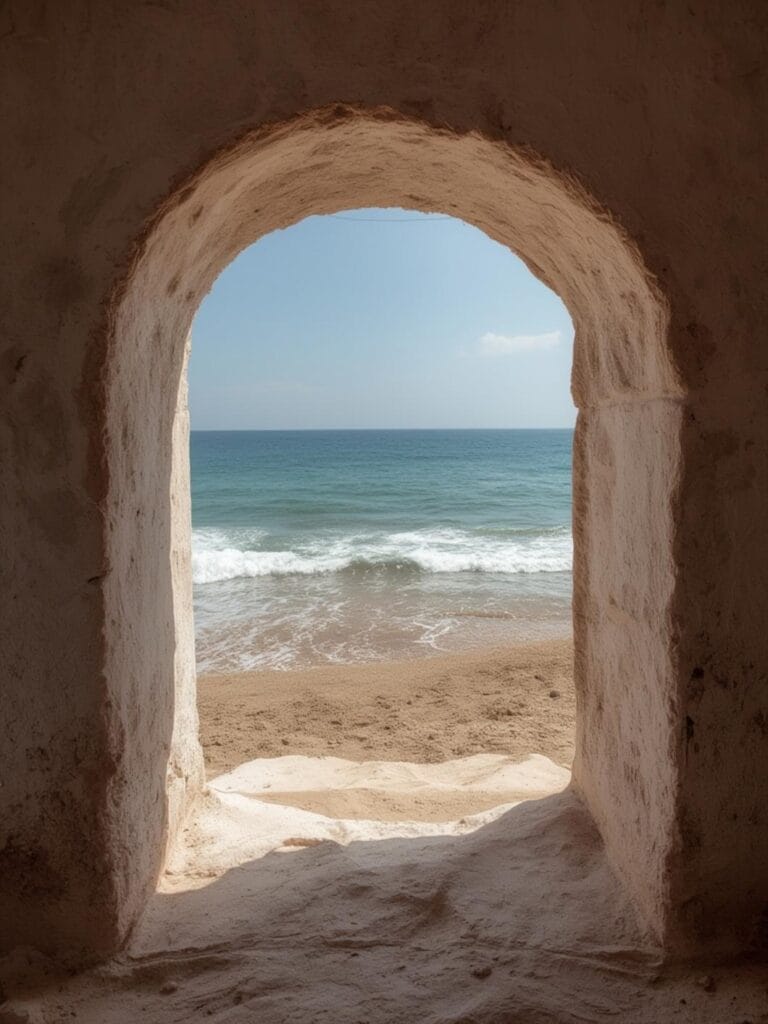
The expansive beach south of the medina offers kite surfing, windsurfing, camel rides, and horseback riding. Book lessons through certified schools like Explora or Ocean Vagabond. Even non-surfers should stroll the beach during golden hour for unforgettable sunset photography.
Step 6: Culinary Exploration
Beyond port grills, dine at Restaurant Umia for fusion cuisine, Caravane Café for traditional tagines with rooftop views, or Taros for live music and international menus. Don’t miss trying the local specialty: fresh sardines prepared multiple ways.
Advantages of the Destination
Essaouira offers unique benefits that distinguish it from other Moroccan destinations:
Cultural Richness: The city’s history as a melting pot of Berber, Arab, Jewish, and European influences creates a uniquely tolerant and artistic atmosphere. The annual Gnaoua Festival celebrates African spiritual music traditions, drawing international artists and audiences.
Manageable Size: Unlike sprawling Marrakech or Fez, Essaouira’s compact medina allows you to explore thoroughly in 2-3 days without feeling rushed or overwhelmed. Everything is walkable, reducing transportation stress.
Authentic Atmosphere: Tourism exists but hasn’t overwhelmed local culture. Residents conduct daily life alongside visitors, providing genuine cultural exchanges rather than staged performances.
Natural Beauty: The dramatic meeting point of Saharan winds and Atlantic waves creates stunning landscapes, from windswept dunes to rugged coastlines dotted with historic fortifications.
Creative Community: Essaouira attracts artists, musicians, and writers worldwide, resulting in numerous galleries, studios, and cultural spaces that enrich the visitor experience beyond typical tourist activities.
Tips, Alternative Methods, or Travel Advice
Budget Travel Options:
– Stay in guesthouses outside the medina walls (30-40% cheaper than central riads)
– Eat where locals eat: small cafes serving harira soup and bread for under $2
– Use CTM buses instead of private transfers from Marrakech (saving approximately $30-50)
– Visit during shoulder seasons for discounted accommodation rates
Solo Traveler Considerations:
Essaouira ranks among Morocco’s safest cities for solo travelers, particularly women. The relaxed atmosphere and smaller size reduce common concerns. Join group activities like cooking classes or surf lessons to meet fellow travelers.
Group and Family Options:
Book private riads with multiple rooms for families or groups (often more economical than hotel rooms). Arrange private cooking workshops or guided day trips tailored to group interests through local agencies.
Extended Stay Suggestions:
Use Essaouira as a base for exploring nearby attractions: Paradise Valley’s palm-lined natural pools (1.5 hours), Diabat ruins and Jimi Hendrix’s legendary castle (15 minutes), or Sidi Kaouki’s quieter beaches (30 minutes).
Seasonal Variations:
Summer visitors should embrace wind-focused activities; winter travelers should pack warmer layers for evening temperatures. Spring offers the most balanced conditions for diverse activities.
Common Mistakes to Avoid
Mistake 1: Arriving Without Cash
While larger establishments accept cards, many small shops, cafes, and service providers operate cash-only. ATMs sometimes run out during peak periods. Solution: Withdraw sufficient dirhams immediately upon arrival and keep emergency cash separate from your daily wallet.
Mistake 2: Overpacking Your Itinerary
Essaouira’s magic lies in its leisurely pace. Cramming too many activities contradicts the city’s relaxed essence. Solution: Plan 2-3 main activities daily with flexible time for spontaneous discoveries—sipping mint tea in cafes or chatting with artisans.
Mistake 3: Neglecting Wind Considerations
The famous Alizée trade winds make Essaouira windier than anticipated, particularly afternoon through evening. Solution: Schedule beach time for mornings, bring secure hats and wraps, and don’t judge the beach experience by windy conditions alone.
Mistake 4: Skipping Travel Insurance
Medical facilities in Essaouira are basic; serious conditions require transfer to larger cities. Solution: Invest in comprehensive travel insurance covering medical evacuation, trip interruption, and adventure activities if participating in water sports.
Mistake 5: Disrespecting Local Customs
While Essaouira is liberal by Moroccan standards, it remains a predominantly Muslim community. Solution: Dress modestly outside beach areas, ask permission before photographing people, and learn basic Arabic greetings to show respect.
Storage / Maintenance Tips
Digital Asset Management:
Back up photos and videos daily using cloud storage services (Google Photos, iCloud) or portable hard drives. Essaouira’s photogenic nature means you’ll accumulate thousands of images—organize them by location and date immediately to simplify post-trip editing.
Budget Tracking:
Use apps like Trail Wallet or Splitwise to track expenses in real-time. Essaouira’s affordability can lead to unnoticed spending creep. Record purchases in dirhams and your home currency to maintain spending awareness.
Physical Souvenir Care:
Thuya wood products benefit from occasional oil treatment; argan oil purchases should be stored in cool, dark places. Keep purchase receipts for customs declarations and authenticity verification.
Ongoing Travel Planning:
Maintain a digital travel journal documenting restaurant names, artisan shop locations, and hidden spots you discovered. These notes become invaluable for recommending Essaouira to friends or planning return visits.
Seasonal Equipment Maintenance:
If you’ve invested in kite surfing or surfing equipment locally, rinse thoroughly with fresh water after ocean exposure. For rental equipment, inspect carefully before accepting to avoid damage charges.
Conclusion
Essaouira stands as Morocco’s perfect gateway for travelers seeking cultural authenticity without overwhelming chaos, natural beauty without tourist saturation, and adventure possibilities without extreme challenges. This Essaouira travel guide 2026 has equipped you with essential knowledge—from packing lists to navigating the medina, from avoiding common pitfalls to embracing local customs.
The city’s unique combination of history, art, ocean, and genuine hospitality creates memories that linger long after departure. Whether you’re watching sunset paint the ramparts golden, savoring grilled sardines at the port, or feeling Atlantic spray on windswept beaches, Essaouira offers transformative travel experiences accessible to all budgets and travel styles. These Essaouira travel tips 2026 will serve as your roadmap to discovering why countless travelers consider this coastal gem their favorite Moroccan destination. Now it’s your turn to experience the magic—start planning your Essaouira adventure today, and don’t forget to share your experiences in the comments below to help fellow travelers prepare for their own coastal Moroccan journey!
FAQs
Q1: How many days should I spend in Essaouira?
A minimum of 2-3 days allows you to explore the medina, experience the beach, visit the port, and absorb the relaxed atmosphere without rushing. Add extra days if you’re a surfer, artist, or seeking a peaceful retreat. Many travelers extend their stay after arriving, captivated by the city’s charm.
Q2: Is Essaouira safe for solo female travelers?
Yes, Essaouira is consistently rated among Morocco’s safest destinations for women traveling alone. The local culture is notably more relaxed and respectful compared to larger cities. Standard precautions apply: dress modestly, trust your instincts, and avoid isolated areas after dark. Many solo female travelers report feeling more comfortable here than in Marrakech or Fez.
Q3: What’s the best way to get from Marrakech to Essaouira?
The most comfortable option is the CTM or Supratours bus (approximately 3 hours, $7-10), departing several times daily with air conditioning and comfortable seating. Alternatively, shared grand taxis (6 passengers) cost around $15-20 per person and take slightly less time. Private transfers or rental cars offer flexibility but cost $80-120. Avoid non-CTM buses as they may be less reliable.
Q4: Can I drink tap water in Essaouira?
While locals drink tap water, travelers should stick to bottled water to avoid potential stomach issues from different bacterial compositions. Riads typically provide complimentary bottled water. Alternatively, bring a filtration bottle like LifeStraw or Grayl to reduce plastic waste while ensuring safe hydration.
Q5: What currency should I bring, and where can I exchange money?
Morocco’s official currency is the Moroccan Dirham (MAD). Euros convert easily at reasonable rates throughout Essaouira; US dollars work but may receive less favorable rates. Exchange at banks or official exchange offices (avoid airport exchanges with poor rates). ATMs offer the best rates but charge international fees—withdraw larger amounts less frequently to minimize charges. Always carry cash as card acceptance is limited outside major establishments.