Morocco Road Trip 2026: Your Ultimate Guide to Planning an Unforgettable Journey
Have you ever dreamed of winding through ancient medinas, crossing golden dunes, and discovering hidden oases along winding mountain roads? Planning a Morocco road trip 2026 offers travelers an extraordinary opportunity to experience North Africa’s most captivating landscapes and rich cultural heritage at their own pace.
Table of Contents
Whether you’re a seasoned adventurer or a first-time road tripper, Morocco delivers an intoxicating blend of imperial cities, coastal beauty, Sahara desert camps, and Berber villages that will transform your travel perspective. This comprehensive guide will walk you through everything you need to know—from essential preparations and detailed itineraries to insider tips and common pitfalls—ensuring your Moroccan adventure becomes the journey of a lifetime.
Travel Essentials
Before embarking on your Moroccan adventure, gathering the right documents, gear, and supplies is crucial for a smooth experience:
Documentation:
– Valid passport (minimum 6 months validity)
– International driving permit (IDP) alongside your home country license
– Vehicle rental agreement and insurance documentation
– Offline maps and GPS navigation apps (Maps.me or Google Maps offline)
– Travel insurance covering medical emergencies and vehicle incidents
– Accommodation confirmation emails or printed copies
Clothing & Personal Items:
– Lightweight, breathable clothing for daytime heat
– Warm layers for mountain regions and desert nights (temperatures drop significantly)
– Comfortable walking shoes and sandals
– Sun protection: wide-brimmed hat, sunglasses, SPF 50+ sunscreen
– Modest clothing for visiting religious sites (long pants, covered shoulders)
– Reusable water bottle with purification tablets
Vehicle & Navigation Gear:
– Portable phone charger and car charging cables
– Physical road atlas as backup to digital navigation
– Flashlight or headlamp with extra batteries
– Basic toolkit and spare tire (verify with rental company)
– First aid kit with motion sickness medication
Optional but Recommended:
– French/Arabic phrasebook or translation app
– Portable Wi-Fi hotspot or local SIM card
– Waterproof bag for electronics
– Travel journal and camera equipment
– Snacks and non-perishable foods for remote stretches
Timing / Travel Schedule
The ideal preparation timeline for your Moroccan road trip spans 3-6 months before departure, allowing ample time to secure competitive flight rates, research routes, and book accommodations during peak seasons.
Best Travel Periods:
– Spring (March-May): Mild temperatures, blooming landscapes, perfect for desert and mountain exploration
– Fall (September-November): Comfortable weather post-summer heat, fewer tourists, ideal driving conditions
– Winter (December-February): Cooler but manageable in coastal and desert regions; Atlas Mountains may require winter driving experience
– Summer (June-August): Extremely hot in interior regions; best for coastal areas but expect higher prices and crowds
Recommended Trip Duration:
A comprehensive road trip exploring Morocco’s diverse regions typically requires 10-14 days. Budget travelers can manage 7-day condensed itineraries focusing on specific regions, while luxury travelers often extend to 3 weeks, incorporating desert luxury camps and coastal resorts.
Daily Driving Expectations:
Plan for 3-5 hours of driving per day, accounting for scenic stops, photo opportunities, and unexpected delays on winding mountain roads or rural routes.
Step-by-Step Instructions
Step 1: Design Your Route
Start by identifying your must-see destinations when creating your Morocco road trip itinerary 2026. Popular routes include the Imperial Cities Circuit (Marrakech-Fes-Meknes-Rabat), the Sahara Loop (incorporating Merzouga dunes), and the Coastal Journey (Casablanca-Essaouira-Agadir). Map out realistic daily distances and identify overnight stops.
Step 2: Book Your Vehicle
Reserve a reliable vehicle 2-3 months in advance through reputable companies like Hertz, Budget, or local specialists. Choose a compact car for city navigation or a 4×4 for desert and mountain terrain. Verify insurance coverage thoroughly and photograph any existing damage before departure.
Step 3: Secure Accommodations
Mix traditional riads in medinas, desert camps under stars, and comfortable hotels along your route. Book popular destinations like Chefchaouen and Sahara camps early, especially during spring and fall peaks. Leave flexibility for spontaneous discoveries in smaller towns.
Step 4: Prepare for Border Crossings and Tolls
Morocco’s modern highway system includes toll roads (autoroutes) requiring cash payment in dirhams. Keep small bills accessible. If planning cross-border adventures, research entry requirements for neighboring countries.
Step 5: Download Essential Apps
Install offline navigation (Maps.me), translation tools (Google Translate with offline packs), currency converters, and accommodation booking apps before departure. Download regional maps covering your entire route.
Step 6: Learn Basic Driving Customs
Moroccan driving culture differs significantly from Western standards. Expect aggressive driving in cities, livestock on rural roads, and flexible traffic rules. Drive defensively, avoid night driving in unfamiliar areas, and stay alert for speed bumps (often unmarked).
Step 7: Pack Smart
Organize essentials in easily accessible compartments. Keep documents, medication, and valuables in a secure bag. Store water and snacks within reach for long stretches between towns.
Advantages of the Destination
Morocco stands out as an exceptional road trip destination for multiple compelling reasons:
Cultural Immersion: Driving independently allows authentic interactions with local communities, from mountain Berber villages to coastal fishing towns, creating meaningful connections impossible on guided tours.
Extraordinary Diversity: Few countries compress such geographic variety into manageable distances—experience Mediterranean beaches, snow-capped Atlas peaks, rolling desert dunes, and ancient forests within a single journey.
Budget-Friendly Adventure: Compared to European road trips, Morocco offers exceptional value with affordable fuel, reasonable accommodation prices, and inexpensive yet delicious street food and local restaurants.
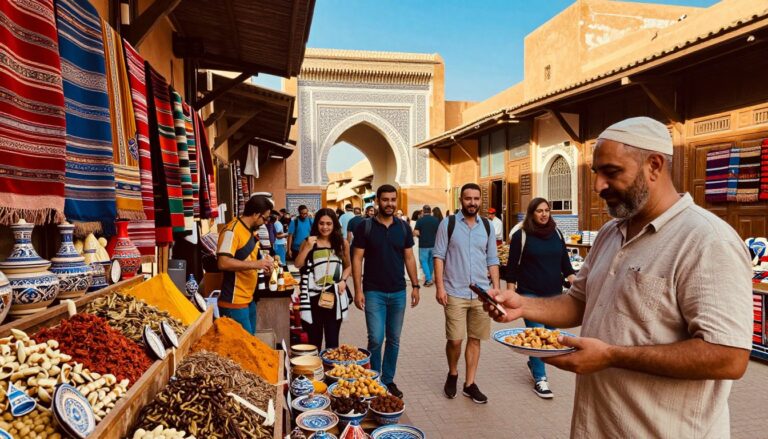
Photography Paradise: Every turn reveals Instagram-worthy scenes: blue-washed Chefchaouen streets, dramatic Todra Gorge cliffs, endless Sahara horizons, and vibrant souks bursting with colors and textures.
Personal Freedom: Self-driving provides complete control over your schedule, enabling spontaneous detours, extended stays in beloved locations, and skipping tourist traps that don’t resonate.
Tips, Alternative Methods, or Travel Advice
Solo Traveler Considerations: Morocco is generally safe for solo road trippers, though female travelers should exercise additional caution. Stay in well-reviewed accommodations, avoid isolated areas after dark, and consider joining other travelers for desert portions.
Budget-Conscious Options: Reduce costs by camping (official sites exist near major destinations), eating at local cafes rather than tourist restaurants, and negotiating accommodation rates during off-peak periods. Consider traveling during shoulder seasons for significant savings.
Group Travel Dynamics: Sharing vehicle costs and accommodation makes Morocco incredibly affordable for groups. Designate one primary driver or rotate driving duties, and establish clear expectations about pace and must-see stops before departure.
Guided vs. Self-Drive Alternatives: If driving seems daunting, hybrid approaches work well—hire a driver for challenging segments (mountain passes, desert routes) while self-driving easier coastal stretches.
Climate Adaptations: Summer travelers should focus on coastal regions and high-altitude areas, starting drives early morning to avoid midday heat. Winter visitors need appropriate gear for potential snow in Atlas Mountains.
Common Mistakes to Avoid
Underestimating Driving Times: Mountain roads and medina navigation take significantly longer than GPS estimates suggest. Add 25-30% buffer time to calculated routes and avoid scheduling tight connections.
Inadequate Cash Reserves: Many rural areas, gas stations, and small restaurants don’t accept cards. Withdraw sufficient dirhams in major cities and always carry emergency cash reserves.
Ignoring Vehicle Inspection: Failing to thoroughly document pre-existing damage results in disputed charges. Photograph and video the entire vehicle before leaving the rental lot, including interior, tires, and undercarriage.
Overpacking the Itinerary: Attempting to cover too much ground creates exhausting drives and superficial experiences. Focus deeply on 3-4 regions rather than rushing through eight different areas.
Neglecting Hydration and Sun Protection: Desert and summer conditions cause rapid dehydration. Drink water constantly, apply sunscreen every two hours, and recognize early heat exhaustion symptoms.
Skipping Travel Insurance: Medical emergencies, vehicle accidents, or trip cancellations without comprehensive insurance create financial disasters. Invest in quality coverage including evacuation provisions.
Disrespecting Local Customs: Photographing people without permission, inappropriate dress in religious sites, and public displays of affection offend conservative communities. Research cultural etiquette before visiting.
Storage / Maintenance Tips
Digital Asset Management: Back up photos and videos daily using cloud storage (Google Photos, Dropbox) or portable hard drives. Organize by location and date for easy future access and sharing.
Budget Tracking: Maintain detailed expense records using apps like Trail Wallet or spreadsheets, noting fuel costs, tolls, meals, and accommodations. This information proves invaluable for future trip planning and budget refinement.
Vehicle Maintenance During Trip: Check tire pressure weekly, monitor fluid levels, and address warning lights immediately. Keep the rental company’s emergency number accessible and understand roadside assistance protocols.
Document Organization: Create digital and physical backup copies of essential documents. Store originals in hotel safes when exploring on foot, carrying only photocopies during daily activities.
Post-Trip Reflection: Within one week of returning, document lessons learned, favorite discoveries, and aspects you’d change. This reflection significantly improves future travel planning and helps friends seeking advice.
Seasonal Consideration for Return Visits: Morocco transforms dramatically across seasons. Note which regions you’d revisit during different months—spring wildflowers in the Atlas, fall harvests in valleys, or winter surfing on the Atlantic coast.
Conclusion
Embarking on a Morocco road trip 2026 represents more than transportation between destinations—it’s a transformative journey through one of the world’s most captivating countries. From the practical essentials of vehicle preparation and route planning to the profound rewards of cultural immersion and geographic diversity, this guide has equipped you with comprehensive knowledge for success. Remember that the most memorable moments often emerge from unplanned detours and spontaneous connections with locals.
Whether you’re finalizing your Morocco road trip itinerary 2026 or still dreaming of possibilities, Morocco’s welcoming spirit, stunning landscapes, and rich heritage await your discovery. Start planning today, embrace the adventure with an open mind, and prepare for a journey that will undoubtedly rank among your most treasured travel experiences. Share your planning progress, ask questions in the comments below, and don’t forget to explore our related guides on specific Moroccan regions for deeper insights!
FAQs
Q1: Do I need a 4×4 vehicle for a Morocco road trip?
A: Not necessarily. Standard sedans handle paved routes between major cities perfectly well. However, 4×4 vehicles are strongly recommended for deep desert excursions (Erg Chebbi dunes), remote mountain passes, and off-road adventures. Evaluate your specific itinerary—coastal and imperial city routes work fine with regular cars.
Q2: Is it safe to drive in Morocco as a foreign tourist?
A: Yes, Morocco is generally safe for foreign drivers, though driving styles differ significantly from Western countries. Exercise defensive driving, avoid night travel in unfamiliar areas, and stay alert for unexpected road conditions. Major highways are well-maintained, while rural roads require extra caution for livestock and pedestrians.
Q3: How much should I budget daily for a Morocco road trip?
A: Budget travelers can manage on $50-70 per person daily (including accommodation, food, and fuel), mid-range travelers should plan $100-150 daily, while luxury experiences run $200+ daily. Costs vary significantly based on accommodation choices, dining preferences, and activity selections.
Q4: What’s the best starting city for a Morocco road trip?
A: Marrakech and Casablanca serve as the most popular starting points due to international flight connections and rental car availability. Marrakech offers immediate access to Atlas Mountains and desert routes, while Casablanca provides convenient coastal exploration. Choose based on your primary interests and flight options.
Q5: Can I cross from Morocco into neighboring countries during my road trip?
A: While theoretically possible to drive into Algeria or Mauritania, border crossings involve complex visa requirements, insurance complications, and challenging logistics. Most travelers keep their Morocco road trips within the country’s borders, which offers more than enough diversity for any itinerary length.