Discover the Magic of Morocco: Your Complete 2026 Travel Blueprint
Have you ever dreamed of wandering through vibrant souks filled with handwoven carpets, tasting aromatic tagines under desert stars, or exploring ancient kasbahs that whisper tales of centuries past? Morocco offers all this and more, making it one of the world’s most enchanting destinations. Planning your journey to this North African gem requires careful preparation, cultural awareness, and insider knowledge to truly unlock its treasures.
Thank you for reading this post, don't forget to subscribe!Table of Contents
Whether you’re seeking adventure in the Sahara, relaxation in coastal towns, or immersion in imperial cities, understanding what to expect will transform your experience from ordinary to extraordinary. With the Morocco tourist attractions 2026 continuously evolving and the Morocco travel guide 2026 offering updated insights, now is the perfect time to plan your Moroccan adventure and discover why millions of travelers fall in love with this captivating country year after year.
Travel Essentials
Preparing for Morocco requires thoughtful packing to ensure comfort across diverse landscapes and climates. Start with essential documents: a valid passport with at least six months validity, travel insurance documentation, printed hotel confirmations, and flight tickets. While most nationalities receive visa-free entry for up to 90 days, always verify current requirements before departure.
For clothing, pack lightweight, breathable fabrics suitable for warm days, but include layers for cooler evenings, especially in mountainous regions and desert areas. Modest clothing is respectful and practical—women should bring scarves, long skirts or pants, and tops covering shoulders. Men should avoid shorts in traditional areas. Comfortable walking shoes are essential, as Morocco’s medinas feature uneven cobblestone streets.
Travel gear should include a quality daypack for excursions, reusable water bottle, sunscreen (SPF 50+), sunglasses, and a wide-brimmed hat for sun protection. A portable phone charger, universal adapter (Morocco uses European two-pin plugs), and headlamp or flashlight prove invaluable in dimly lit medinas.
Optional items include a small first-aid kit with anti-diarrheal medication, hand sanitizer, wet wipes, Arabic phrasebook or translation app, camera with extra memory cards, and a lightweight scarf (serving multiple purposes from sun protection to temple visits). Consider bringing a money belt for securing valuables and small bills in local currency (Moroccan Dirham) for tipping and small purchases.
Timing / Travel Schedule
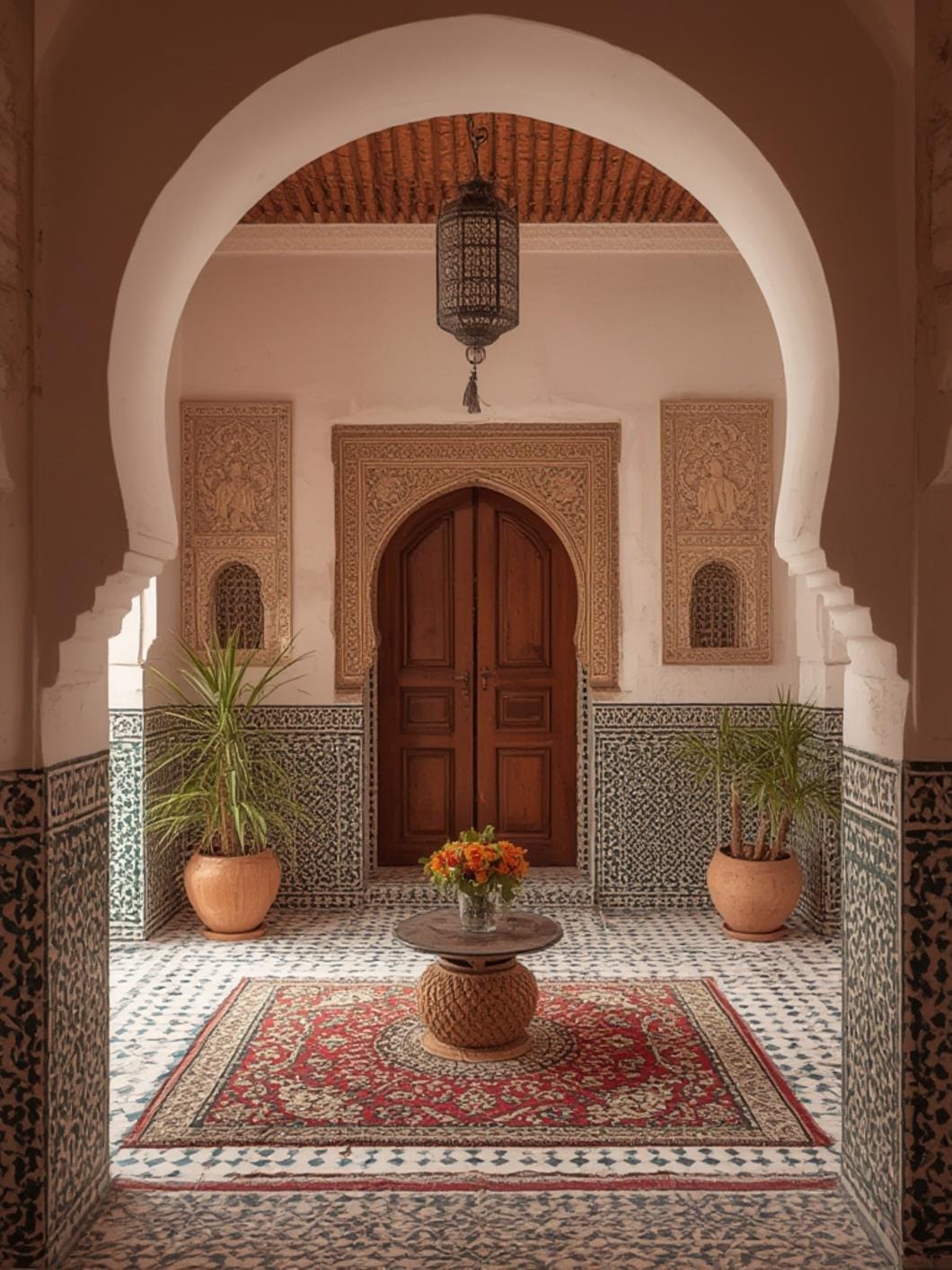
Morocco’s climate varies significantly by region and season, making timing crucial for optimal experiences. The best travel periods are spring (March-May) and fall (September-November), when temperatures remain comfortable across most regions, ranging from 20-25°C (68-77°F). These shoulder seasons offer pleasant weather for exploring cities, trekking mountains, and desert camping without extreme heat.
Summer (June-August) brings intense heat, particularly in inland cities like Marrakech and Fes, where temperatures can exceed 40°C (104°F). However, coastal areas like Essaouira and Casablanca remain refreshing with Atlantic breezes. Winter (December-February) sees cooler temperatures and occasional rain in northern regions, but offers excellent skiing opportunities in the Atlas Mountains and comfortable desert exploration.
For trip duration, allocate minimum 7-10 days to experience Morocco’s highlights without rushing. A typical itinerary includes 2-3 days exploring Marrakech’s medina and gardens, 2 days in the Sahara Desert (Merzouga), 1-2 days in Fes discovering the world’s oldest continuously operating university and labyrinthine medina, and additional days for coastal relaxation or mountain trekking. Extended trips of 14-21 days allow deeper cultural immersion and exploration of lesser-known regions like the Rif Mountains or southern oases.
Preparation time should begin 2-3 months before departure, booking flights and accommodations early for better rates, especially during peak seasons and major festivals like Ramadan or Eid celebrations.
Step-by-Step Instructions
Step 1: Research and Route Planning
Begin by identifying must-see destinations aligned with your interests. The classic circuit includes Casablanca, Marrakech, Fes, Chefchaouen, and the Sahara Desert. Research current Morocco tourist attractions 2026 to discover newly opened museums, renovated historical sites, and emerging experiences. Consult the comprehensive Morocco travel guide 2026 for updated information on accessibility, safety, and cultural events.
Step 2: Book Flights and Accommodations
Secure international flights to major gateways like Casablanca’s Mohammed V Airport or Marrakech Menara Airport. Book riads (traditional Moroccan houses converted to guesthouses) for authentic experiences in medinas, or hotels for modern amenities. Reserve desert camps in advance for guaranteed quality experiences under starlit Sahara skies.
Step 3: Arrange Internal Transportation
Morocco offers various transport options: domestic flights for covering long distances quickly, trains connecting major cities comfortably (ONCF operates modern rail services), private drivers for flexibility and convenience, or rental cars for independent travelers (international driving permit required). CTM buses provide budget-friendly connections between cities.
Step 4: Plan Daily Itineraries
Structure days with morning activities (9 AM-1 PM) before afternoon heat, afternoon rest or indoor exploration, and evening experiences when temperatures cool. Book guided tours for complex locations like Fes medina where navigation proves challenging. Schedule desert tours, Atlas Mountain treks, and cooking classes in advance.
Step 5: Prepare Culturally
Learn basic Arabic and French phrases (Morocco’s official languages). Understand cultural customs: greeting with “As-salamu alaykum,” removing shoes before entering homes, using right hand for eating and greetings, and asking permission before photographing people. Research Ramadan dates if traveling during this holy month, as restaurant and shop hours change significantly.
Advantages of the Destination
Morocco presents exceptional value across multiple dimensions. Cultural richness permeates every corner—from UNESCO World Heritage Sites like Aït Benhaddou and Volubilis to living traditions of Amazigh (Berber) communities. The country serves as a gateway where African, Arab, and European influences converge, creating unique artistic expressions in architecture, cuisine, music, and crafts.
Affordability ranks among Morocco’s greatest advantages. Compared to European destinations, travelers enjoy luxury experiences at moderate prices—beautiful riads cost $50-100 per night, delicious street food meals run $3-5, and professional guides charge $30-50 daily. The Moroccan Dirham’s favorable exchange rate stretches budgets further.
Accessibility makes Morocco convenient for international travelers. Major cities feature modern infrastructure, English is increasingly spoken in tourist areas, and direct flights connect Morocco to European, African, and Middle Eastern hubs. The compact geography allows experiencing diverse landscapes—mountains, desert, coast, and cities—within short distances.
Personal transformation occurs naturally through Morocco’s immersive experiences. Navigating souks sharpens negotiation skills, desert camping fosters appreciation for simplicity, cooking classes reveal culinary artistry, and interactions with locals build cross-cultural understanding and lasting friendships.
Tips, Alternative Methods, or Travel Advice
Solo travelers find Morocco welcoming yet should exercise standard precautions. Stay in reputable accommodations, join group tours for desert and mountain experiences, use official taxis or rideshare apps, and trust instincts when approached by overly persistent touts. Solo women should dress modestly and may face occasional unwanted attention—responding firmly yet politely usually resolves issues.
Budget-conscious visitors can significantly reduce costs by eating at local cafes rather than tourist restaurants, taking public buses instead of private transport, staying in hostels or budget riads, and visiting free attractions like public gardens, beaches, and architectural exteriors. Shopping in non-touristy neighborhoods yields better prices without aggressive haggling.
Luxury seekers enjoy Morocco’s growing high-end sector: five-star riads with rooftop pools, private Sahara camps with ensuite bathrooms, gourmet restaurants fusing Moroccan and international cuisines, and exclusive experiences like hot air ballooning over Marrakech or private photography tours with professional guides.
Family travelers appreciate Morocco’s child-friendly culture. Consider booking private transportation for convenience, choosing accommodations with pools for afternoon cooling, limiting daily activities to avoid overwhelming children, and incorporating kid-friendly experiences like camel rides, beach days, and cooking classes where children can participate.
Seasonal adjustments: Summer visitors should start activities early, take afternoon breaks, stay hydrated constantly, and choose coastal or mountain destinations over hot inland cities. Winter travelers should pack warm layers for cold desert nights and mountain regions, but enjoy fewer crowds and lower accommodation rates.
Common Mistakes to Avoid
Underestimating distances ranks among the most common errors. Morocco appears compact on maps, but mountain roads wind slowly, and desert routes extend seemingly endlessly. Allow extra travel time—Marrakech to Fes takes 7-8 hours despite appearing closer. Solution: Build realistic itineraries with buffer time and consider domestic flights for longest routes.
Falling for scams happens frequently in tourist-heavy areas. Common schemes include fake guides offering “help” then demanding payment, carpet shop detours during hired tours (guide receives commission), and taxi drivers claiming meters are broken. Solution: Use official guides through hotels or recognized agencies, agree on taxi fares before departure, and politely but firmly decline unsolicited assistance.
Inappropriate dress causes discomfort and unwanted attention. Revealing clothing attracts stares and harassment, particularly outside cosmopolitan areas. Solution: Pack modest, culturally sensitive clothing covering shoulders, cleavage, and knees—comfort and respect go hand-in-hand.
Haggling ineffectively either results in overpaying significantly or offending vendors with insulting offers. Solution: Research approximate fair prices beforehand, start negotiations at 40-50% of asking price, remain friendly yet firm, and be willing to walk away—vendors often call you back with better offers.
Drinking tap water commonly causes digestive issues for travelers unaccustomed to local bacteria. Solution: Drink only bottled water (verify seals are intact), avoid ice in drinks, and use bottled water for brushing teeth. Eat only peeled fruits and thoroughly cooked foods.
Overpacking itineraries leads to exhaustion rather than enjoyment. Morocco rewards slow, immersive exploration over rushed checklist tourism. Solution: Limit daily activities to 2-3 major experiences, allowing spontaneous discoveries and necessary rest periods.
Storage / Maintenance Tips
Travel photo management requires discipline given Morocco’s photogenic nature. Download photos daily to cloud storage or external drives preventing devastating loss if devices are stolen or damaged. Organize chronologically by location for easier post-trip editing. Respect photography restrictions at religious sites and always ask permission before photographing people—offering to share images via WhatsApp often gains cooperation.
Budget tracking helps maintain financial control. Use apps like Trail Wallet or splitwise for group travelers to record expenses in real-time. Keep receipts for significant purchases, noting exchange rates for accurate conversion. Allocate daily spending limits while maintaining emergency reserves for unexpected situations.
Health maintenance ensures enjoyable travels. Stay hydrated constantly in Morocco’s dry climate, use high-SPF sunscreen reapplied every two hours, and wash hands frequently or use sanitizer before meals. Rest adequately—afternoon siestas align with local rhythm and prevent exhaustion. If experiencing digestive issues, rehydrate with electrolyte solutions and seek medical attention if symptoms persist beyond 24 hours.
Ongoing planning flexibility proves essential. Monitor weather forecasts and adjust outdoor activities accordingly, check for cultural events or festivals spontaneously arising, and remain open to local recommendations—Moroccans’ genuine hospitality often leads to memorable, unplanned experiences surpassing guidebook suggestions.
Post-trip preservation extends Morocco’s impact. Create photo books capturing journey highlights, maintain contact with guides or local friends through social media, and share authentic experiences through travel blogs or social platforms—your insights help future travelers while preserving personal memories.
Conclusion
Morocco stands as an extraordinary destination where ancient traditions thrive alongside modern developments, where rugged mountains meet golden deserts, and where every corner reveals new wonders waiting to be discovered. By following this comprehensive guide featuring practical advice on essentials, timing, step-by-step planning, and common pitfalls, you’re well-equipped to experience the best of Morocco tourist attractions 2026.
Remember that successful Moroccan travel blends careful preparation with spontaneous flexibility—plan thoroughly while remaining open to unexpected adventures. The Morocco travel guide 2026 continuously evolves as this magnificent country welcomes travelers with open arms and endless possibilities. Pack your bags, embrace the unknown, and prepare for a transformative journey that will leave you planning your return before you’ve even departed.
Share your Moroccan adventures in the comments below, and explore our related posts for deeper dives into specific regions, cultural insights, and insider tips that will elevate your North African experience from memorable to absolutely unforgettable.
FAQs
Is Morocco safe for tourists in 2026?
Yes, Morocco remains safe for tourists with standard precautions. Major cities and tourist areas have visible security presence, and violent crime against tourists is rare. However, petty theft occurs in crowded areas, so secure valuables, use hotel safes, and stay aware of surroundings. Solo female travelers should dress modestly and trust instincts regarding uncomfortable situations. Always use official, licensed taxis and guides.
How much money should I budget for a week in Morocco?
Budget travelers can manage on $40-60 daily including hostels, street food, and public transport. Mid-range travelers should budget $80-120 daily for comfortable riads, restaurant meals, and occasional private transport. Luxury travelers typically spend $200+ daily for five-star accommodations, fine dining, and private experiences. These estimates exclude international flights. Carry mix of cash and cards—ATMs are widely available in cities.
Do I need to speak Arabic or French to travel in Morocco?
While helpful, language skills aren’t essential for tourist areas where many locals speak English, especially younger generations and tourism professionals. However, learning basic Arabic or French phrases enhances interactions and shows cultural respect. Phrases like “shukran” (thank you), “salam” (hello), and “b’saha” (to your health/bon appétit) go far. Translation apps provide backup for complex communications.
What is the best way to experience the Sahara Desert?
Book multi-day tours from Marrakech or Fes including transportation, overnight desert camps, camel treks, and visits to kasbahs along the route. Two to three-day tours offer balanced experiences without excessive travel time. Choose camps in Merzouga or M’Hamid regions for authentic experiences. Spring and fall provide comfortable temperatures, while summer brings extreme heat and winter sees cold nights requiring substantial blankets.
Can I visit Morocco during Ramadan?
Yes, though experiences differ from other periods. Many restaurants close during daylight fasting hours, though tourist areas maintain some open establishments. Respect fasting by avoiding public eating, drinking, and smoking during daylight. Evenings become festive as families break fast together. Tourist attractions maintain normal hours. Advantages include fewer crowds, authentic cultural immersion, and special Ramadan meals if invited to local homes—a treasured experience showing Moroccan hospitality at its finest.