Marrakech Travel Guide 2026: Your Complete Journey to Morocco’s Red City
Have you ever dreamed of wandering through vibrant souks filled with the scent of exotic spices, sipping mint tea in ornate riads, and watching the sun set over ancient palaces? Marrakech, Morocco’s enchanting “Red City,” offers all this and more—a sensory feast that captivates millions of travelers each year. As we look toward 2026, planning your Marrakech travel guide 2026 becomes essential for experiencing this magical destination at its finest.
Thank you for reading this post, don't forget to subscribe!Table of Contents
Whether you’re a first-time visitor or returning to explore deeper, understanding the nuances of Marrakech will transform your journey from ordinary to extraordinary. This comprehensive guide will walk you through everything you need to know—from essential packing lists to insider tips—ensuring your Marrakech 2026 itinerary is perfectly crafted for an unforgettable Moroccan adventure.
Travel Essentials
Before embarking on your Marrakech adventure, proper preparation ensures a smooth and enjoyable experience. Here’s what you’ll absolutely need:
Documentation and Money:
– Valid passport (with at least 6 months validity beyond your travel dates)
– Travel insurance documents covering medical emergencies and trip cancellations
– Printed hotel confirmations and flight tickets (digital backups recommended)
– Credit/debit cards (Visa and Mastercard widely accepted) plus 200-300 USD/EUR in cash for souks and small vendors
– Copies of important documents stored separately from originals
Clothing and Footwear:
– Lightweight, breathable clothing in natural fabrics (cotton, linen) for daytime heat
– Modest attire: long pants, maxi skirts, and shirts covering shoulders for religious sites
– Comfortable walking shoes with good arch support (you’ll walk 10,000+ steps daily)
– Light jacket or cardigan for cooler evenings, especially January-March
– Sun hat, sunglasses, and scarf (doubles as modest covering when needed)
Technology and Navigation:
– Smartphone with offline maps (Maps.me or Google Maps downloaded)
– Portable power bank (20,000mAh recommended)
– Universal travel adapter (Type C and E plugs used in Morocco)
– Camera or smartphone with quality lens for capturing architectural beauty
Health and Safety Items:
– Prescription medications in original packaging with doctor’s note
– Basic first-aid kit: pain relievers, anti-diarrheal medication, band-aids, antiseptic wipes
– Hand sanitizer and wet wipes (essential for street food adventures)
– Sunscreen SPF 50+ and lip balm with SPF protection
– Reusable water bottle with built-in filter
Optional but Recommended:
– Lightweight daypack for daily excursions
– Small padlock for hostel lockers or securing luggage
– Arabic phrasebook or translation app (Moroccans appreciate the effort)
– Portable Wi-Fi device or local SIM card for constant connectivity
Timing / Travel Schedule
Understanding Marrakech’s seasonal patterns helps maximize your experience while avoiding uncomfortable weather or overwhelming crowds.
Best Time to Visit:
The optimal months are March-May and September-November when temperatures hover between 20-28°C (68-82°F), providing comfortable exploration conditions. Spring brings blooming gardens and cultural festivals, while autumn offers harvest celebrations and fewer tourists than peak summer.
Seasons to Consider:
– Winter (December-February): Cooler temperatures (10-20°C/50-68°F), occasional rain, but significantly fewer crowds and lower accommodation prices (30-40% cheaper). Perfect for budget travelers and those who dislike heat.
– Summer (June-August): Intense heat exceeding 40°C (104°F), making midday activities challenging. However, extended daylight hours and vibrant evening markets create magical nighttime experiences. Expect higher prices and more international tourists.
Typical Itinerary Duration:
Most travelers spend 3-5 days in Marrakech itself, though a full week allows for day trips to the Atlas Mountains, Essaouira coastal town, or Agafay Desert. First-time visitors should allocate at least 4 days to properly experience the medina, major monuments, and authentic Moroccan culture without feeling rushed.
Daily Schedule Recommendation:
– Morning (7-11 AM): Visit major attractions before midday heat and crowds
– Midday (11 AM-4 PM): Retreat to your riad, enjoy lunch, rest during peak heat
– Afternoon (4-7 PM): Resume sightseeing, visit gardens or museums
– Evening (7 PM-midnight): Explore night markets, enjoy dinner, experience Jemaa el-Fnaa square’s entertainment
Step-by-Step Instructions
Creating your perfect Marrakech travel guide 2026 involves strategic planning and smart execution. Follow these actionable steps:
Step 1: Book Flights and Accommodation (3-6 months in advance)
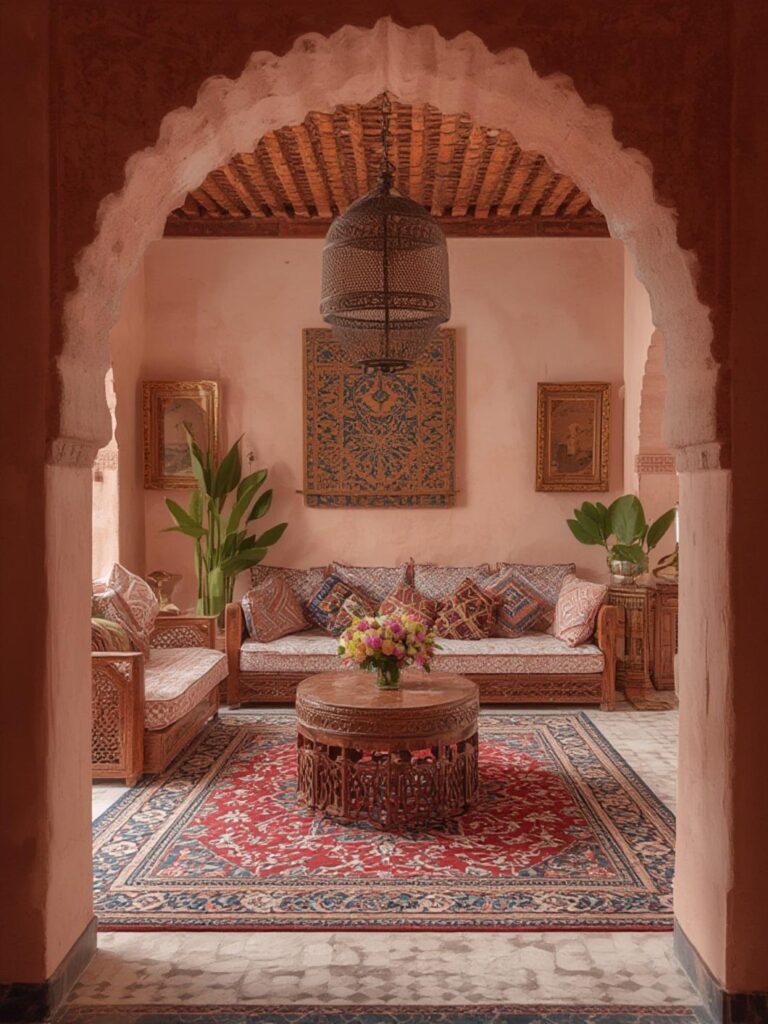
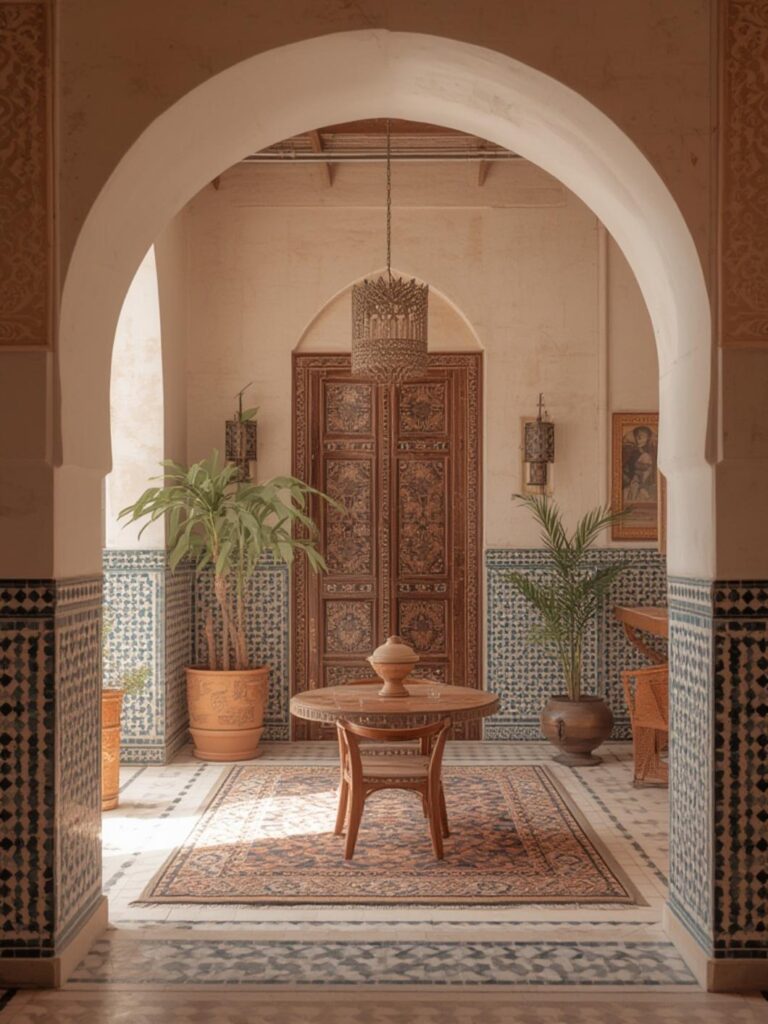
Search for flights to Marrakech Menara Airport (RAK) using comparison sites like Skyscanner or Google Flights. Book accommodations in the medina for authentic experiences—traditional riads offer rooftop terraces, plunge pools, and breakfast for $50-150/night. Alternative areas include Gueliz (modern quarter) or Hivernage (luxury hotels).
Pro tip: Book riad accommodations with airport transfer included; navigating medina’s narrow streets with luggage is challenging.
Step 2: Plan Your Marrakech 2026 itinerary Highlights
Prioritize must-see attractions:
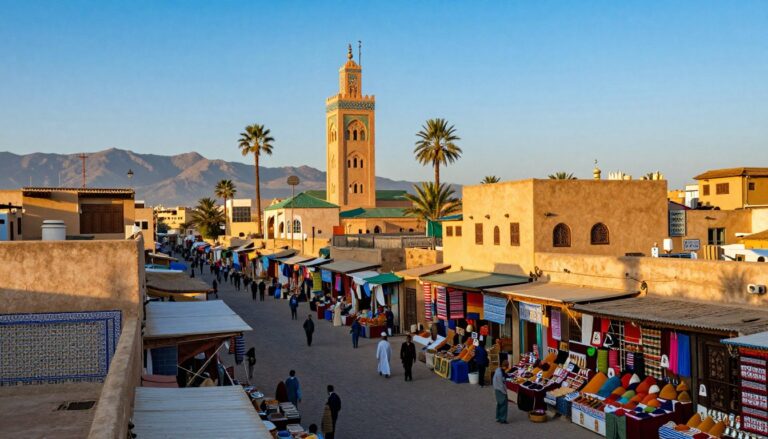
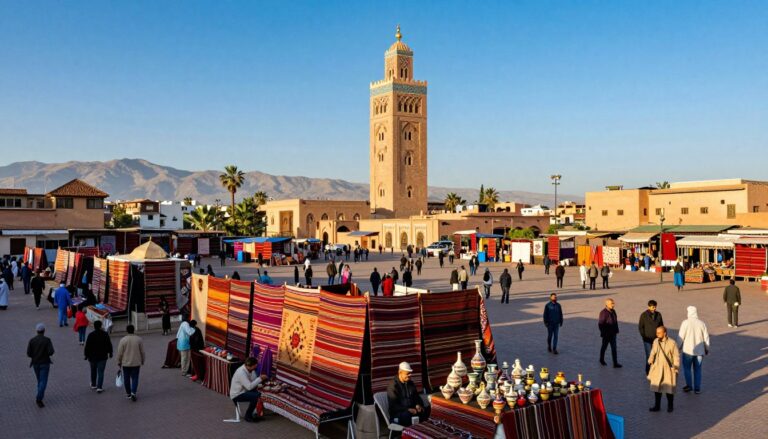
– Day 1: Jemaa el-Fnaa square, Koutoubia Mosque, Bahia Palace
– Day 2: Majorelle Garden, Yves Saint Laurent Museum, souks exploration
– Day 3: Saadian Tombs, Ben Youssef Madrasa, traditional hammam experience
– Day 4: Day trip to Atlas Mountains or Ouzoud Waterfalls
Pro tip: Purchase a combined ticket for major monuments (available at tourist offices) saving 20-30% versus individual entries.
Step 3: Arrange Transportation
Download taxi apps like Careem or Yango for reliable, metered fares (airport to medina costs approximately 70-100 MAD/$7-10). Within the medina, walking is primary transportation; hire official guides (200-300 MAD/half-day) to navigate complex alleyways initially.
Pro tip: Always agree on taxi fares before entering or insist on meter activation to avoid overcharging.
Step 4: Prepare for Cultural Immersion
Learn basic Arabic/French phrases: “Shukran” (thank you), “La shukran” (no thank you), and “B’saha” (to your health). Understand bargaining etiquette—start at 40-50% of asking price in souks. Dress modestly, particularly when visiting religious sites or conservative neighborhoods.
Pro tip: Carry small denominations (5, 10, 20 MAD notes) for tips, street vendors, and small purchases.
Step 5: Book Experiences in Advance
Reserve popular experiences early: cooking classes (500-800 MAD), hot air balloon rides (2,500-3,000 MAD), desert excursions (overnight trips 800-1,500 MAD), and hammam treatments (200-500 MAD). Reputable operators include Marrakech Food Tours, Ciel d’Afrique (balloons), and luxury hammams like Les Bains de Marrakech.
Step 6: Stay Connected and Safe
Purchase a local SIM card at the airport (Maroc Telecom, Orange, or Inwi offer tourist packages with 10GB data for 100-150 MAD). Register with your embassy upon arrival. Keep valuables secured in hotel safes; carry only necessary cash and one credit card daily.
Pro tip: Photograph your passport and store digitally; email yourself important documents for emergency access.
Advantages of the Destination
Marrakech offers unparalleled benefits that justify its position as North Africa’s premier tourism destination:
Cultural Richness: Experience living history through UNESCO-listed medinas, thousand-year-old architecture, and traditional craftsmanship unchanged for centuries. The city serves as Morocco’s cultural heartbeat, preserving Berber, Arab, and Andalusian influences.
Sensory Immersion: Few destinations overwhelm the senses like Marrakech—aromatic spice markets, colorful textile displays, rhythmic call to prayer, and flavors of authentic tagines create unforgettable memories.
Affordability: Compared to European cities, Marrakech offers exceptional value. Accommodation, dining, and activities cost 40-60% less than comparable Mediterranean destinations, allowing luxury experiences on moderate budgets.
Diverse Experiences: From desert adventures to mountain trekking, spa treatments to culinary workshops, Marrakech caters to every traveler type—adventure seekers, culture enthusiasts, wellness travelers, and family vacationers alike.
Year-Round Accessibility: With over 300 sunny days annually and direct flights from major international hubs, Marrakech remains accessible regardless of season, offering different charms throughout the calendar year.
Gateway to Morocco: Positioned centrally, Marrakech provides easy access to Sahara Desert, Atlas Mountains, Atlantic coast, and imperial cities, making it the perfect base for comprehensive Moroccan exploration.
Tips, Alternative Methods, or Travel Advice
Maximize your Marrakech experience with these insider strategies:
For Budget Travelers:
– Stay in hostels or guesthouses outside the medina (Gueliz area) where prices drop 40-50%
– Eat at local cafés frequented by Moroccans rather than tourist restaurants (meals cost 30-50 MAD vs. 150-200 MAD)
– Visit free attractions like Koutoubia Mosque exterior, public gardens, and medina wandering
– Travel during shoulder seasons (November, February-March) for significant accommodation discounts
For Solo Travelers:
– Join group tours for day trips (safer and more economical than private arrangements)
– Stay in social riads or hostels with communal spaces to meet fellow travelers
– Use female-only dorms or riads if traveling solo as a woman
– Trust your instincts; politely decline persistent vendor approaches with firm “La shukran”
For Families:
– Choose riads with family suites and plunge pools for children
– Visit child-friendly attractions: Oasiria Water Park, Jemaa el-Fnaa entertainers, camel rides
– Book private cooking classes where children can participate
– Schedule breaks during hot midday hours to prevent exhaustion
Alternative Experiences:
– Authentic Neighborhood Tours: Explore residential areas like Mellah (Jewish quarter) or Kasbah district beyond tourist circuits
– Sunrise Hot Air Balloon Rides: Witness the Atlas Mountains bathed in golden light (book 3+ months ahead)
– Traditional Hammam vs. Luxury Spa: Try local public hammams (50-100 MAD) for authentic experiences before indulging in spa versions
– Cooking Class with Market Visit: Learn to prepare tagines, couscous, and pastilla while shopping for ingredients in local markets
Seasonal Considerations:
– Ramadan Travelers: Respect fasting by avoiding eating/drinking publicly during daylight; enjoy special evening festivities and iftar (break-fast) meals
– Festival Timing: Plan around Marrakech International Film Festival (November-December) or Marrakech Biennale for cultural enrichment
– Summer Survival: Start activities at dawn, rest 11 AM-4 PM, resume evenings; stay hydrated with constant water intake
Common Mistakes to Avoid
Learning from others’ mistakes saves frustration and money during your Marrakech adventure:
Mistake 1: Inadequate Cash Preparation
Many travelers underestimate cash needs in medina areas where card acceptance is limited. Souks, street food vendors, and small shops operate cash-only.
Solution: Withdraw 2,000-3,000 MAD initially from airport ATMs (better rates than currency exchanges); replenish at medina ATMs near Jemaa el-Fnaa as needed.
Mistake 2: Falling for Common Scams
Fake guides offering “free” assistance then demanding payment, leather tannery tours leading to aggressive selling, and restaurant touts receiving commissions frustrate many visitors.
Solution: Hire official guides through hotels or tourist offices; politely refuse unsolicited help; research restaurant recommendations beforehand rather than following street promoters.
Mistake 3: Inappropriate Clothing Choices
Wearing revealing clothing invites unwanted attention and disrespects local customs, particularly in conservative medina areas and religious sites.
Solution: Pack modest, lightweight clothing covering shoulders and knees; carry a large scarf for additional coverage when needed; observe local dress norms and adjust accordingly.
Mistake 4: Overpaying in Souks
First-time visitors often pay 3-5 times fair market value due to unfamiliarity with bargaining culture and reasonable price ranges.
Solution: Research approximate prices beforehand; start negotiations at 40-50% of asking price; walk away if uncomfortable—vendors often recall you with better offers; compare prices across multiple shops.
Mistake 5: Poor Hydration Management
Marrakech’s dry climate and heat cause dehydration faster than coastal cities; many travelers underestimate water needs, resulting in headaches and fatigue.
Solution: Drink 3-4 liters daily; carry reusable bottles; accept mint tea offers (culturally appropriate and hydrating); avoid excessive alcohol consumption which accelerates dehydration.
Mistake 6: Overambitious Itineraries
Attempting to see everything creates exhaustion rather than enjoyment; Marrakech’s heat, walking distances, and sensory intensity require pacing.
Solution: Limit to 2-3 major activities daily; build in rest periods; accept that missing some attractions allows deeper engagement with others; quality over quantity enhances satisfaction.
Mistake 7: Ignoring Food Safety
Street food adventures without precautions lead to digestive issues that derail travel plans.
Solution: Choose vendors with high local turnover; avoid raw vegetables in street settings; peel fruits yourself; stick to bottled water; carry anti-diarrheal medication preventatively.
Storage / Maintenance Tips
Preserving memories and preparing for future travel enhances long-term value from your Marrakech experience:
Photo Organization:
– Back up photos daily to cloud storage (Google Photos, iCloud) given unpredictable device issues
– Create albums organized by location/day for easier sharing and reminiscing
– Edit and curate favorites within one week of return while memories remain fresh
– Consider creating physical photo books through services like Shutterfly or Artifact Uprising for lasting keepsakes
Budget Tracking:
– Maintain daily expense logs using apps like Trail Wallet or TravelSpend
– Save receipts for significant purchases for customs documentation and warranty claims
– Review spending patterns to optimize future trip budgets
– Convert expenses to home currency immediately to understand actual costs
Travel Journal Maintenance:
– Document daily highlights, local interactions, and personal reflections
– Include practical notes: restaurant names, guide contacts, hidden gem locations
– Record sensory details that photos can’t capture—sounds, smells, flavors
– Review and expand notes within two weeks before memories fade
Planning for Return Visits:
– Create a “next time” list of missed attractions, restaurants, and experiences
– Save contact information for exceptional guides, drivers, or riad owners
– Note seasonal events or festivals you’d like to experience
– Track accommodation, flight, and activity costs for future budget projections
Seasonal Planning:
– Subscribe to flight deal alerts for Marrakech routes to catch promotional fares
– Follow Marrakech tourism boards and travel blogs for updates on new attractions
– Join Morocco travel Facebook groups or Reddit communities for ongoing tips and inspiration
– Review and update your packing list based on what you actually used versus packed
Conclusion
Marrakech stands as a transformative destination where ancient traditions meet modern comfort, offering experiences that linger long after departure. This Marrakech travel guide 2026 has equipped you with essential knowledge—from packing smartly and timing your visit perfectly to navigating cultural nuances and avoiding common pitfalls.
By following the step-by-step instructions for crafting your Marrakech 2026 itinerary, you’re positioned to experience Morocco’s Red City authentically and memorably. Whether you’re drawn by architectural splendor, culinary adventures, cultural immersion, or simply the magic of wandering through centuries-old medinas, Marrakech delivers beyond expectations.
The city rewards prepared travelers with unforgettable moments—sunrise over desert dunes, the call to prayer echoing through ancient courtyards, the taste of authentic mint tea shared with welcoming locals. Now it’s your turn to write your own Marrakech story. Start planning today, embrace the adventure with open curiosity, and prepare for a journey that will expand your perspective and create lifelong memories. Share your Marrakech experiences in the comments below, and explore our related posts on Morocco’s imperial cities, Sahara Desert adventures, and Moroccan cuisine deep dives. Your Moroccan adventure awaits!
FAQs
Q1: Is Marrakech safe for tourists in 2026?
Yes, Marrakech is generally safe for tourists with standard precautions. The city has robust tourism infrastructure and police presence in tourist areas. Practice normal safety measures: avoid displaying expensive items, stay alert in crowded souks, use reputable transportation, and follow your hotel’s guidance regarding neighborhoods. Petty theft and scams are more common than violent crime. Women travelers should dress modestly and consider joining group activities initially. Morocco’s tourism economy depends on visitor safety, so authorities prioritize tourist security.
Q2: How much money should I budget for a week in Marrakech?
Budget travelers can manage on $40-60/day including hostel accommodation, local restaurant meals, and free/low-cost activities. Mid-range travelers should budget $100-150/day for comfortable riad stays, quality dining, and paid attractions. Luxury travelers typically spend $250-500+/day for five-star riads, fine dining, private tours, and premium experiences. Flight costs vary seasonally ($400-1,200 from Europe/North America). Add 15-20% buffer for shopping, tips, and unexpected expenses. Most attractions cost 20-70 MAD entry; meals range from 30 MAD (street food) to 200+ MAD (tourist restaurants).
Q3: Do I need to speak Arabic or French to visit Marrakech?
Not necessarily, though basic phrases help. English is increasingly common in tourist areas, hotels, and restaurants. However, learning simple Arabic greetings (“salaam alaikum” – hello, “shukran” – thank you) and French basics significantly enhances interactions, especially in souks and with taxi drivers.
Many Moroccans appreciate efforts to speak their language. Translation apps like Google Translate work offline with downloaded language packs. Younger Moroccans often speak English, while older generations prefer Arabic or French. Hiring guides for complex navigation helps overcome language barriers initially.
Q4: What’s the best way to get from Marrakech airport to the medina?
Three main options exist: Official airport taxis (70-100 MAD/$7-10, 20-30 minutes) wait outside arrivals—insist on meter usage or agree on fare beforehand.
Ride-hailing apps Careem or Yango offer similar prices with upfront fare transparency (requires internet connection). Many riads include airport transfer (150-250 MAD) with drivers meeting you at arrivals and navigating medina’s complex streets to your accommodation’s doorstep—highly recommended for first-time visitors with luggage. Avoid unofficial taxi drivers offering “special deals” inside the terminal, as these often involve overcharging or unwanted detours to shops where drivers earn commissions.
Q5: Can I drink tap water in Marrakech, or should I buy bottled water?
Avoid drinking tap water in Marrakech despite locals sometimes consuming it. Morocco’s water treatment varies, and foreign visitors’ digestive systems may not tolerate local microorganisms, potentially causing “traveler’s stomach.” Purchase bottled water (5-10 MAD/1.5L) from shops, or bring a quality water filter bottle (LifeStraw, GRAYL) for sustainable, economical hydration. Use bottled water for brushing teeth initially. Accepted mint tea and coffee made with boiled water are generally safe. Most riads provide complimentary bottled water. Staying properly hydrated (3-4 liters daily) is crucial in Marrakech’s dry climate, so plan accordingly and budget for water purchases throughout your stay.