Things to do in Marrakech 2026: The Ultimate Amaying Travel Guide
Have you ever dreamed of wandering through ancient palaces, haggling in vibrant souks, and experiencing the intoxicating blend of African, Arab, and European cultures? Marrakech remains one of the world’s most captivating destinations, and 2026 promises to be an exceptional year to explore this Moroccan jewel.
Thank you for reading this post, don't forget to subscribe!Table of Contents
Whether you’re seeking adventure, cultural immersion, or simply an escape from the ordinary, Things to do in Marrakech 2026 offers endless possibilities that cater to every traveler’s desires. Planning your Marrakech journey is valuable because it allows you to maximize your time in this enchanting city while avoiding common tourist pitfalls and discovering hidden gems that make your trip truly unforgettable.
Travel Essentials
Before embarking on your Marrakech adventure, gather these essential items to ensure a smooth and comfortable journey:
Documents and Money:
– Valid passport (with at least 6 months validity)
– Travel insurance documentation
– Printed hotel reservations and tour confirmations
– Credit/debit cards and some Moroccan Dirhams (MAD) in cash
– Digital copies of important documents stored securely online
Clothing and Accessories:
– Modest, breathable clothing (covering shoulders and knees for religious sites)
– Comfortable walking shoes with good support
– Light scarf or shawl for sun protection and mosque visits
– Sunglasses and wide-brimmed hat
– Light jacket for cooler evenings (especially January-March)
Technology and Navigation:
– Smartphone with offline maps downloaded
– Portable power bank and charging cables
– Universal travel adapter (Morocco uses Type C and E outlets)
– Camera or quality smartphone for photography
Health and Hygiene:
– Sunscreen (SPF 50+)
– Personal medications and basic first-aid kit
– Hand sanitizer and wet wipes
– Reusable water bottle with filter
– Insect repellent (optional, mainly for summer months)
Optional Items:
– Small daypack for daily excursions
– Travel guidebook or phrase book (Arabic/French basics)
– Notebook for journaling experiences
Timing / Travel Schedule
The ideal preparation time for your Marrakech trip is 2-3 months in advance, allowing you to secure better flight deals and accommodation rates. The recommended travel period spans 4-7 days, giving you sufficient time to explore major attractions without feeling rushed.
Best Seasons to Visit:
– Spring (March-May): Pleasant temperatures (20-26°C), blooming gardens, ideal for outdoor activities
– Fall (September-November): Comfortable weather, fewer crowds, perfect for sightseeing
– Winter (December-February): Cooler but sunny, great for budget travelers, occasional rain
– Summer (June-August): Hot temperatures (35°C+), lower prices, requires early morning starts
Daily Time Allocation:
Expect to spend 6-8 hours daily exploring attractions, with additional time for meals and relaxation. Major sites like Jardin Majorelle require 1-2 hours, while the medina exploration can easily consume half a day.
Step-by-Step Instructions
Step 1: Arrive and Acclimate
Land at Marrakech Menara Airport and take an official taxi or arrange airport transfer to your riad. Spend your first afternoon exploring your neighborhood, getting familiar with local customs, and adjusting to the climate. Enjoy a traditional Moroccan dinner to kickstart your culinary adventure.
Step 2: Explore the Historic Medina
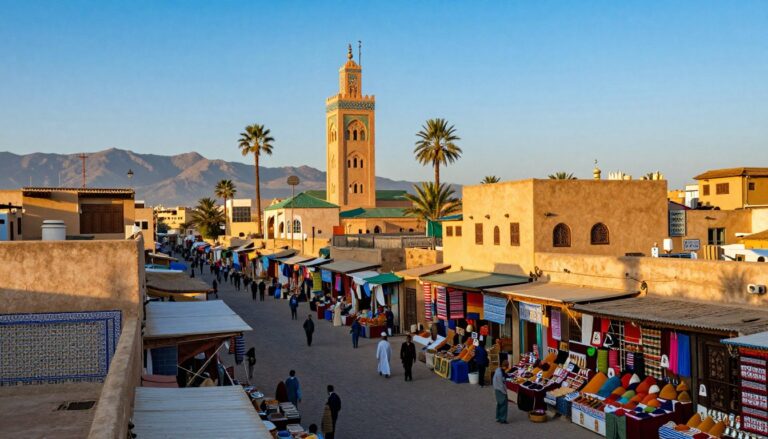
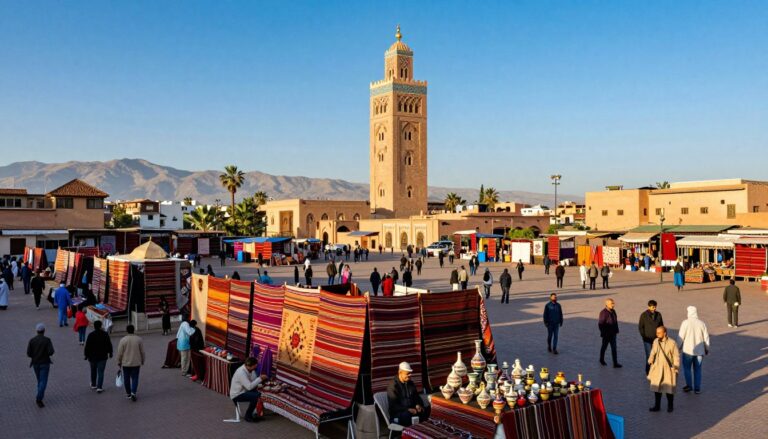
Begin with the iconic Jemaa el-Fnaa square, the beating heart of Marrakech. Wander through the labyrinthine souks, where you can find everything from spices to leather goods. When searching for Things to do in Marrakech 2026, the medina consistently ranks as the must-see experience. Visit the Koutoubia Mosque (exterior only for non-Muslims) and appreciate its stunning architecture.
Step 3: Discover Royal Heritage
Dedicate a day to exploring the Bahia Palace with its intricate tilework and peaceful courtyards, followed by the Saadian Tombs showcasing exquisite Saadian dynasty craftsmanship. The El Badi Palace ruins offer fascinating historical insights and panoramic city views.
Step 4: Experience Garden Serenity
Visit the stunning Jardin Majorelle, once owned by Yves Saint Laurent, featuring cobalt blue buildings and exotic plant collections. Continue to the Menara Gardens for a peaceful afternoon surrounded by olive groves and reflecting pools.
Step 5: Venture Beyond the City
Book a day trip to the Atlas Mountains, where Berber villages offer authentic cultural experiences, or visit the coastal town of Essaouira for a refreshing seaside escape. These excursions provide perfect contrast to the city’s intensity.
Step 6: Indulge in Hammam and Cuisine
Experience a traditional Moroccan hammam spa treatment for ultimate relaxation. Take a cooking class to learn the secrets of tagines, couscous, and mint tea preparation, creating lasting memories and skills.
Advantages of the Destination
Marrakech offers extraordinary cultural immersion opportunities, blending centuries-old traditions with modern amenities. The Marrakech 2026 attractions provide diverse experiences ranging from architectural marvels to natural wonders, ensuring every traveler finds something captivating.
The city delivers exceptional value for money, with accommodation and dining options across all budget ranges. Personal growth comes naturally as you navigate different languages, customs, and perspectives, building confidence and cultural awareness. The sensory richness—vibrant colors, aromatic spices, rhythmic music—creates unforgettable memories that transcend typical tourist experiences.
Photography enthusiasts will discover endless inspiration, from geometric Islamic patterns to candid street scenes. The warm Moroccan hospitality creates genuine connections with locals, transforming your trip from mere sightseeing into meaningful cultural exchange.
Tips, Alternative Methods, or Travel Advice
For Solo Travelers:
Stay in well-reviewed riads within the medina for safety and community. Join group tours to meet fellow travelers and share experiences. Download offline translation apps for easier communication.
Budget-Friendly Options:
Eat at local cafeterias rather than tourist restaurants—you’ll pay a fraction of the price for authentic food. Use public transportation or walk when possible. Negotiate prices in souks firmly but respectfully, expecting to pay 40-50% of the initial asking price.
Luxury Experiences:
Book five-star riads with private courtyards and personalized service. Arrange private guided tours for deeper historical insights. Enjoy rooftop dining at upscale restaurants overlooking the medina.
Seasonal Considerations:
Summer visitors should plan activities for early morning and late afternoon, resting during midday heat. Winter travelers should pack layers for temperature fluctuations between day and night.
Cultural Sensitivity:
Learn basic Arabic or French phrases—locals appreciate the effort. Dress modestly, especially when visiting religious sites. Always ask permission before photographing people.
Common Mistakes to Avoid
Getting Lost Without Preparation:
The medina’s maze-like streets confuse even experienced travelers. Solution: Download offline maps, use GPS pins for your accommodation, and don’t hesitate to ask shopkeepers for directions—they’re generally helpful.
Accepting Unsolicited Guide Services:
Unofficial guides often lead tourists to shops where they receive commissions, inflating prices. Solution: Politely but firmly decline unwanted assistance, or hire official guides through your riad or recognized tour companies.
Overpaying in Souks:
First-time visitors frequently pay tourist prices, sometimes 300% above fair value. Solution: Research typical prices beforehand, start negotiations at 30-40% of the asking price, and be willing to walk away.
Drinking Tap Water:
Tap water in Marrakech isn’t recommended for tourists. Solution: Purchase bottled water or use a filtered water bottle to stay hydrated safely and reduce plastic waste.
Ignoring Prayer Times:
Many attractions close temporarily during prayer times, disrupting poorly planned itineraries. Solution: Check daily prayer schedules and plan your visits accordingly, using these breaks for meals or rest.
Underestimating the Heat:
Summer visitors often experience heat exhaustion. Solution: Start sightseeing early morning, take midday siestas, stay hydrated, and wear appropriate sun protection.
Storage / Maintenance Tips
Managing Travel Photos:
Back up photos daily to cloud storage (Google Photos, iCloud) to prevent loss. Organize images by day or location immediately to simplify post-trip sorting. Create a dedicated album for sharing with friends and family.
Budget Tracking:
Use expense-tracking apps like Trail Wallet or Splitwise to monitor spending in real-time. Keep receipts for significant purchases, especially in souks where you might need proof for customs. Convert prices to your home currency regularly to maintain budget awareness.
Planning Future Trips:
Maintain a travel journal noting favorite restaurants, helpful contacts, and hidden gems discovered. Save business cards from reliable tour operators, drivers, and shops for future reference or recommendations to friends.
Seasonal Maintenance:
If planning annual Marrakech visits, note seasonal variations in pricing, crowds, and weather patterns. Subscribe to flight deal alerts for your departure city to Marrakech to catch promotional fares.
Digital Organization:
Create a dedicated folder for travel documents, including visa information, vaccination records, and travel insurance policies. Update this folder before each trip, ensuring all documents remain current and easily accessible.
Conclusion
Marrakech in 2026 promises to deliver transformative travel experiences that blend ancient tradition with contemporary comfort. From wandering through historic medinas and discovering Marrakech 2026 attractions to savoring aromatic tagines and connecting with welcoming locals, this Moroccan gem offers something for every traveler.
By following these comprehensive guidelines—from packing essentials to avoiding common mistakes—you’re well-equipped to maximize your journey. Remember that the magic of Marrakech lies not just in checking off tourist sites, but in embracing the unexpected moments: a spontaneous tea invitation, discovering a quiet courtyard, or watching sunset paint the Koutoubia Mosque golden. When planning your Things to do in Marrakech 2026, leave room for spontaneity and cultural immersion that transcends typical tourism. Now it’s your turn to create your own Marrakech story—start planning today, and don’t forget to share your adventures with fellow travelers in the comments below or on social media to inspire others to explore this captivating destination!
FAQs
Q1: Do I need a visa to visit Marrakech in 2026?
Many nationalities, including US, Canadian, UK, EU, and Australian citizens, can enter Morocco visa-free for stays up to 90 days. However, visa requirements change, so verify current regulations with the Moroccan embassy in your country several months before departure.
Q2: Is Marrakech safe for tourists?
Marrakech is generally safe for tourists, with low violent crime rates. Exercise standard precautions: avoid displaying expensive items, stay aware in crowded areas, use official taxis, and trust your instincts. Women travelers should dress modestly and may experience verbal harassment, which is best ignored.
Q3: How much money should I budget for a week in Marrakech?
Budget travelers can manage on $30-50 daily (hostels, street food, limited activities). Mid-range travelers should budget $80-150 daily (comfortable riads, restaurant meals, tours). Luxury travelers should expect $200+ daily for five-star accommodations and premium experiences. These estimates exclude flights.
Q4: What language do I need to know?
Arabic and French are the primary languages in Marrakech. In tourist areas, many people speak English, but learning basic Arabic phrases (hello: “salam,” thank you: “shukran”) and French numbers significantly enhances your experience and shows cultural respect.
Q5: Can I use credit cards everywhere in Marrakech?
Major hotels, restaurants, and tour operators accept credit cards, but the medina’s souks, street food vendors, and many smaller establishments operate cash-only. Carry sufficient Moroccan Dirhams, and inform your bank of travel dates to avoid card blocks. ATMs are widely available but may charge international transaction fees.