Tangier Travel Guide 2026: Your Ultimate Blueprint for Exploring Morocco’s Gateway City
Have you ever dreamed of stepping into a city where Europe kisses Africa, where ancient medinas meet modern boulevards, and where every corner whispers tales of artists, spies, and adventurers? Tangier, Morocco’s captivating port city, offers exactly that—a mesmerizing blend of cultures, histories, and sensory experiences that few destinations can match.
Table of Contents
Planning your visit with a comprehensive Tangier travel guide 2026 is invaluable for maximizing your experience in this enchanting destination. Whether you’re drawn to its stunning coastal views, vibrant souks, or rich literary heritage, understanding what to expect and how to navigate this fascinating city will transform your journey from ordinary to extraordinary. With strategic planning and insider knowledge, your Tangier adventure can become one of the most memorable travel experiences of your lifetime.
Travel Essentials
Before embarking on your Moroccan adventure, gather these essential items to ensure a smooth and enjoyable trip:
Documents and Money:
– Valid passport (with at least six months validity beyond your travel dates)
– Travel insurance documents
– Printed hotel reservations and flight confirmations
– Credit cards and some Moroccan Dirhams (MAD) for immediate expenses
– Digital copies of all important documents stored in cloud storage
Clothing and Accessories:
– Modest, lightweight clothing suitable for a conservative Muslim culture (shoulders and knees covered)
– Comfortable walking shoes for exploring cobblestone medina streets
– Sun hat and quality sunglasses for coastal sun protection
– Light jacket or sweater for cooler evenings near the Mediterranean
– Swimwear if planning beach visits
Technology and Navigation:
– Smartphone with offline maps downloaded (Maps.me or Google Maps)
– Portable power bank for all-day phone usage
– Universal travel adapter (Morocco uses European-style plugs)
– Camera or quality smartphone for capturing stunning architecture
Health and Comfort Items:
– Prescription medications with original packaging
– Basic first-aid kit including anti-diarrheal medication
– High-SPF sunscreen and insect repellent
– Reusable water bottle with filter
– Hand sanitizer and wet wipes
Optional but Recommended:
– Arabic phrasebook or translation app
– Small backpack for day trips
– Scarf for women (useful for mosque visits and respectful coverage)
– Binoculars for coastal bird watching
Timing / Travel Schedule
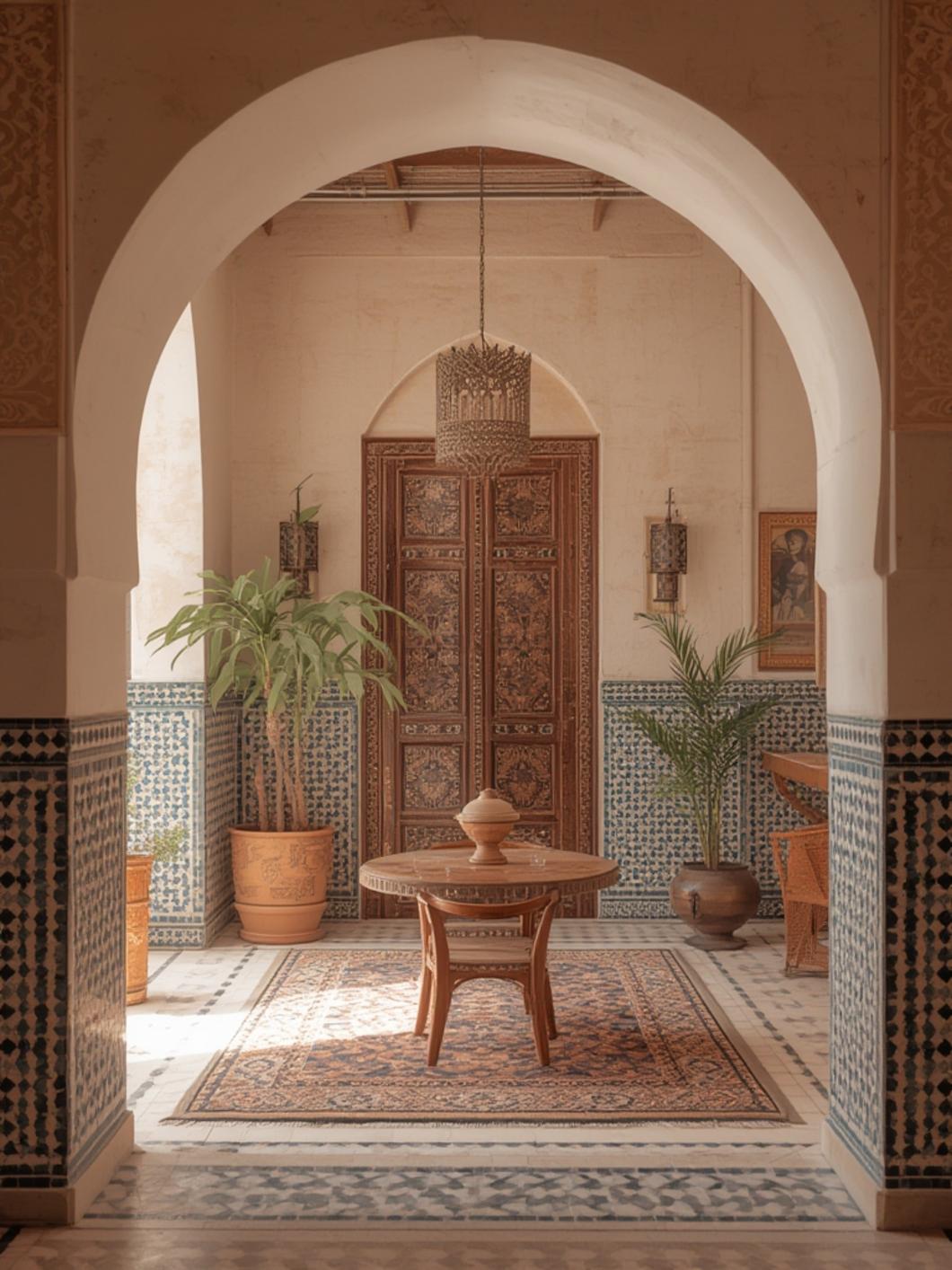
The ideal duration for exploring Tangier thoroughly is 3-5 days, allowing you to experience the city’s major attractions without feeling rushed. The best time to visit is during spring (March-May) or autumn (September-November) when temperatures range between 18-25°C (64-77°F), offering comfortable conditions for walking tours and outdoor exploration.
Preparation Timeline:
– 3 months before: Book flights and accommodations for best rates
– 6 weeks before: Research and create your Tangier travel guide 2026 itinerary
– 2 weeks before: Confirm reservations and arrange airport transfers
– 1 week before: Check weather forecasts and pack accordingly
Daily Schedule Recommendations:
– Morning (8 AM – 12 PM): Explore medina and historical sites before afternoon heat
– Afternoon (12 PM – 4 PM): Enjoy leisurely lunch and siesta (traditional Moroccan pace)
– Late Afternoon (4 PM – 7 PM): Visit museums, cafés, or beaches
– Evening (7 PM onwards): Dinner and evening strolls along the Corniche
Summer (June-August) brings higher temperatures (25-30°C) and tourist crowds, while winter (December-February) offers cooler weather (10-16°C) but occasional rain. Plan accordingly based on your temperature preferences and budget considerations.
Step-by-Step Instructions
Step 1: Arrive and Orient Yourself
Upon landing at Ibn Battouta Airport, arrange pre-booked transportation to your accommodation in either the medina (old city) or Ville Nouvelle (new town). Spend your first afternoon walking the main boulevards to get your bearings. Visit the Grand Socco (big square) where the old and new cities meet—this landmark will become your navigation reference point.
Step 2: Explore the Historic Medina
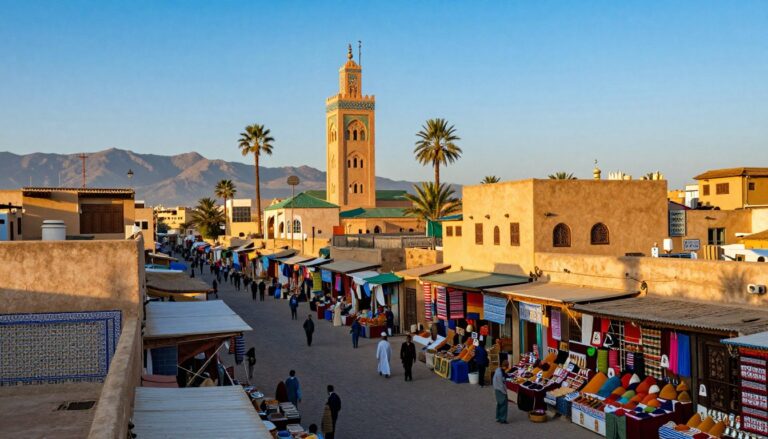
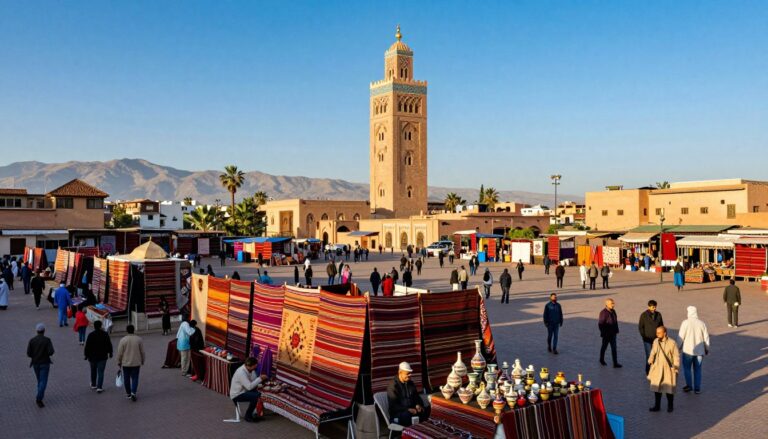
Start early at the Kasbah, the old fortress district offering panoramic views of the Strait of Gibraltar. Wander through narrow alleyways, discovering the Kasbah Museum housed in the former Sultan’s palace. Navigate the medina’s souks, where vendors sell everything from spices to leather goods. Tip: Bargaining is expected—start at 50% of the asking price and negotiate respectfully.
Step 3: Visit Cultural Landmarks
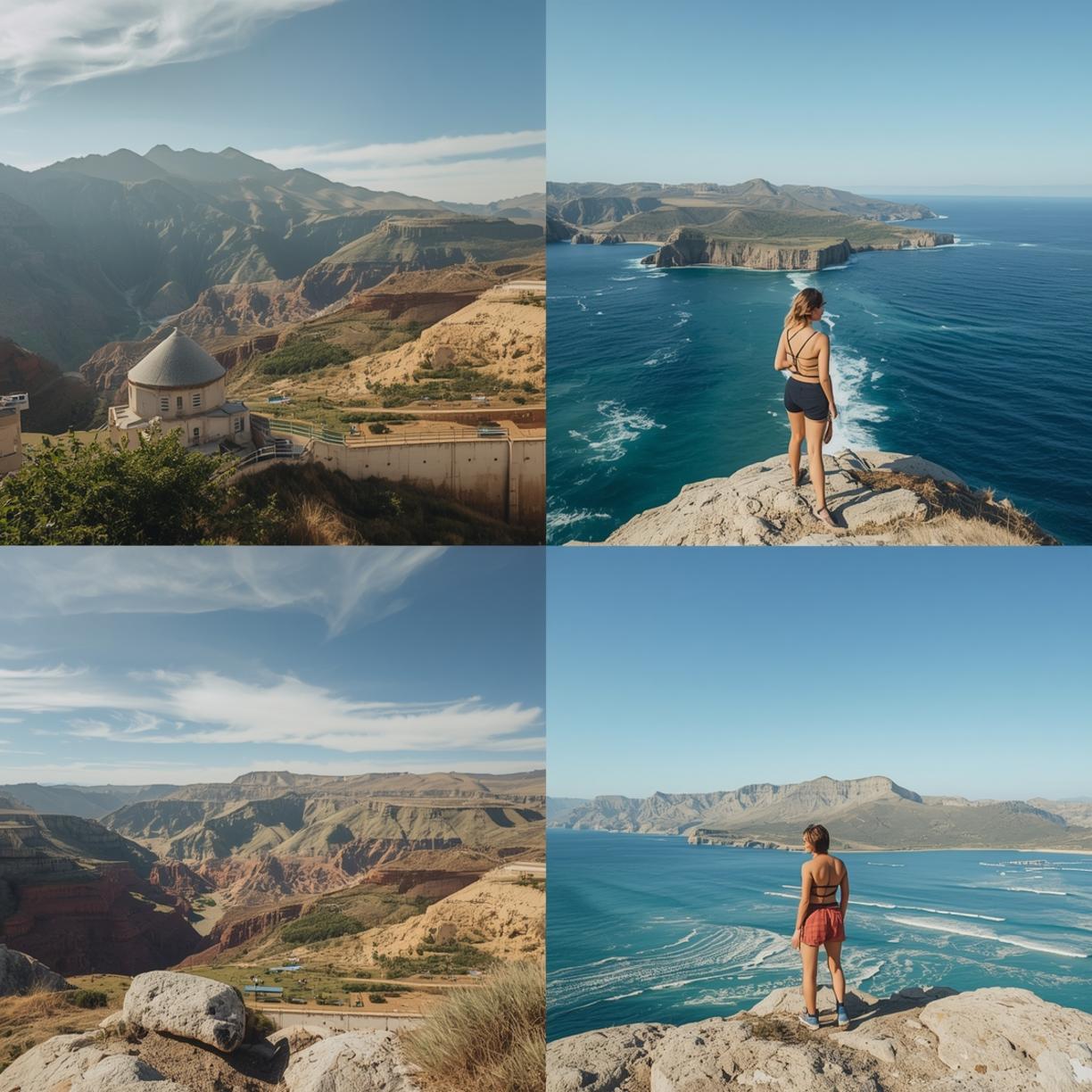
Dedicate a day to Tangier’s rich cultural heritage. Visit the American Legation Museum, the only U.S. National Historic Landmark on foreign soil. Explore the Caves of Hercules, where mythology meets geology. Stop at Cap Spartel, where the Atlantic Ocean meets the Mediterranean Sea. When planning this with your Tangier travel guide 2026, consider hiring a local guide who can provide historical context and navigate transportation efficiently.
Step 4: Experience Culinary Delights
Sample authentic Moroccan cuisine at local restaurants. Try tagine (slow-cooked stew), fresh seafood at the port, and mint tea at traditional cafés. The Petit Socco area offers numerous atmospheric eateries. For breakfast, seek out a café serving msemen (Moroccan flatbread) with honey and fresh orange juice.
Step 5: Embrace Local Experiences
Attend a traditional hammam (Moroccan bath) for an authentic wellness experience. Take a cooking class to learn tagine preparation. If your Tangier travel guide 2026 itinerary allows, schedule a day trip to nearby Chefchaouen (the blue city) or Asilah’s artistic medina, both accessible within two hours.
Step 6: Sunset and Evening Rituals
Walk along the Corniche promenade as sunset approaches, when locals gather for their evening stroll. The golden hour provides perfect photography opportunities. End your evenings at rooftop terraces overlooking the medina, sipping Moroccan wine or traditional tea while processing the day’s adventures.
Advantages of the Destination
Tangier offers numerous benefits that distinguish it from other Moroccan cities:
Cultural Crossroads: The city’s unique position as a meeting point between Africa and Europe creates an unparalleled cultural fusion. You’ll encounter Spanish, French, and Arabic influences in architecture, cuisine, and daily life—a living testament to centuries of cross-cultural exchange.
Literary and Artistic Heritage: Walking Tangier’s streets means following in the footsteps of literary giants like Paul Bowles, William S. Burroughs, and Tennessee Williams. The city’s bohemian past still resonates in its artistic communities and creative atmosphere.
Accessibility: Tangier serves as Morocco’s most accessible entry point for European travelers, with frequent ferry connections from Spain and direct flights from major European cities. This convenience makes it ideal for weekend getaways or starting point for broader Moroccan explorations.
Authentic Yet Approachable: Unlike heavily touristed Marrakech, Tangier maintains authentic Moroccan character while offering enough modern amenities and English speakers to accommodate international visitors comfortably.
Stunning Natural Beauty: From Mediterranean beaches to Atlantic coastlines, dramatic cliffs to rolling hills, Tangier’s geographical diversity provides varied landscapes within compact distances.
Value for Money: Compared to European destinations, Tangier offers excellent value, with quality accommodations, meals, and experiences available at reasonable prices, stretching your travel budget further.
Tips, Alternative Methods, or Travel Advice
Budget Travel Options:
Stay in traditional riads or guesthouses within the medina (€20-40/night) rather than luxury hotels. Eat at local restaurants frequented by Moroccans rather than tourist-oriented establishments. Use petit taxis for short distances (negotiate price before departure) and walk whenever feasible.
Solo Traveler Considerations:
Tangier is generally safe for solo travelers, including women, though standard precautions apply. Join group tours for day trips to meet fellow travelers. Stay in social accommodations like hostels or guesthouses with communal spaces. Evening walks in well-lit, populated areas are typically safe, but avoid isolated medina areas after dark.
Group and Family Travel:
Book private guided tours for personalized experiences and efficient time management. Consider renting a private vehicle with driver for day trips, splitting costs among group members. Family-friendly accommodations often include courtyards where children can play safely.
Seasonal Variations:
Spring brings the Tanjazz Festival and blooming landscapes. Summer offers beach activities but requires early morning starts to avoid heat. Autumn provides ideal weather and fewer crowds. Winter travelers should pack layers and rain gear but can enjoy lower accommodation rates.
Language Tips:
While French is widely spoken, learning basic Arabic phrases (shukran for “thank you,” salam for “hello”) earns local respect. Download translation apps before arrival. English is increasingly common in tourist areas but limited elsewhere.
Connectivity:
Purchase a local SIM card at the airport or city shops for data access (approximately €10 for 10GB). Most cafés and accommodations offer WiFi, though speeds may be slower than Western standards.
Common Mistakes to Avoid
Mistake 1: Accepting “Free” Guide Services
Many travelers arriving at the medina encounter friendly locals offering to “help” navigate the confusing streets. These unsolicited guides expect substantial payment afterward and may pressure you into visiting shops where they receive commissions.
Solution: Politely but firmly decline unsolicited assistance. If you want a guide, hire one through your accommodation or official tourism offices with agreed-upon rates.
Mistake 2: Inappropriate Clothing Choices
Wearing revealing clothing shows disrespect for local culture and may attract unwanted attention, particularly for women.
Solution: Dress modestly with shoulders, chest, and knees covered. Lightweight, breathable fabrics work well in warm weather while maintaining cultural sensitivity.
Mistake 3: Drinking Tap Water
Morocco’s tap water isn’t recommended for foreign visitors whose systems aren’t adapted to local bacteria.
Solution: Drink only bottled water, which is inexpensive and widely available. Use bottled water for brushing teeth as well.
Mistake 4: Not Bargaining in Souks
Paying the first quoted price means significant overpayment, as initial prices often start 2-3 times higher than sellers expect to receive.
Solution: Bargain respectfully and good-naturedly. Start at 40-50% of the asking price and meet somewhere in the middle. Walk away if prices don’t meet your budget—vendors often call you back with better offers.
Mistake 5: Overlooking Friday Schedules
Friday is the Muslim holy day when many businesses close or operate on reduced hours, particularly during midday prayers.
Solution: Plan museum visits, shopping, and major activities for other days. Friday afternoons and evenings typically resume normal activity.
Mistake 6: Exchanging Money at Hotels
Hotel exchange rates are notoriously unfavorable, costing you 10-15% more than necessary.
Solution: Use official exchange bureaus or withdraw cash from ATMs, which offer competitive rates. Notify your bank of travel dates to prevent card blocking.
Mistake 7: Rushing Your Medina Exploration
The medina’s labyrinthine layout requires time to appreciate. Rushing through misses hidden gems and creates frustration when inevitably lost.
Solution: Allocate several hours for medina exploration without strict schedules. Getting “lost” is part of the authentic experience—you’ll always find your way back to major landmarks.
Storage / Maintenance Tips
Photo Management:
Back up photos daily to cloud storage (Google Photos, iCloud) using accommodation WiFi to prevent loss if devices are stolen or damaged. Organize photos by day or location immediately rather than facing overwhelming sorting upon return. Consider creating a digital travel journal using apps like Day One, combining photos with notes about experiences.
Budget Tracking:
Use expense-tracking apps like Trail Wallet or Splitwise to monitor spending in real-time. Save receipts for significant purchases, particularly for crafts and souvenirs you may want to insure or declare at customs. Convert expenditures to your home currency daily to maintain budgetary awareness.
Travel Document Organization:
Keep digital and physical copies of all important documents separate. Store physical copies in hotel safes while carrying only photocopies during daily exploration. Update your itinerary documents with actual experiences, noting particularly good restaurants, guides, or accommodations for future reference or sharing with friends.
Seasonal Planning Maintenance:
If planning to return or recommend Tangier to others, maintain notes about seasonal variations you experienced. Record which attractions were crowded, weather conditions, and any seasonal events you encountered. This information proves invaluable for planning future trips or advising fellow travelers.
Souvenir Care:
Traditional Moroccan crafts like leather goods, ceramics, and textiles require proper care. Research maintenance requirements before purchasing. For leather items, condition regularly to prevent cracking. Store ceramics carefully with padding to prevent damage. Traditional rugs should be professionally cleaned and aired periodically.
Relationship Maintenance:
Exchange contact information with memorable guides, restaurant owners, or fellow travelers. Send thank-you messages or photos after your trip—these connections often lead to insider tips for future visits or assistance for friends planning their own Tangier adventures.
Conclusion
Tangier stands as Morocco’s most accessible yet profoundly authentic destination, offering travelers an intoxicating blend of cultural immersion, historical significance, and sensory adventure. From wandering the atmospheric medina alleys to savoring mint tea overlooking the Strait of Gibraltar, every moment in this gateway city creates lasting memories.
By following this comprehensive Tangier travel guide 2026, you’re equipped with practical knowledge to navigate confidently, avoid common pitfalls, and maximize your experience. Whether you’re drawn to cultural exploration, culinary adventures, or simply the romance of a city that has inspired artists and writers for generations, Tangier delivers beyond expectations. Your carefully planned Tangier travel guide 2026 itinerary will ensure you experience the city’s highlights while leaving room for spontaneous discoveries that make travel truly magical.
Ready to begin your Tangier adventure? Start planning today, and don’t forget to share your experiences in the comments below or on social media—your insights might inspire the next traveler’s journey. For more destination guides and travel tips, explore our related posts on Moroccan travel essentials and North African adventures. Safe travels!
FAQs
Q1: Is Tangier safe for tourists in 2026?
Yes, Tangier is generally safe for tourists. The city has invested significantly in tourism infrastructure and security. Exercise standard travel precautions: avoid displaying expensive items, stay in well-populated areas, and be cautious in the medina after dark. Petty theft can occur in crowded areas, so keep valuables secured. Women traveling solo should dress modestly and confidently decline unwanted attention.
Q2: How many days should I spend in Tangier?
Three to five days is ideal for thoroughly experiencing Tangier. Three days covers major attractions including the medina, Kasbah, key museums, and coastal sites. Five days allows for deeper exploration, day trips to nearby destinations like Chefchaouen or Asilah, and a more relaxed pace that aligns with Moroccan culture. Weekend visitors can see highlights in two days but will miss the city’s subtler charms.
Q3: What’s the best way to get around Tangier?
Walking is best for exploring the medina and old city areas. For longer distances, petit taxis (small blue taxis) are inexpensive and convenient—always negotiate the fare before departing or insist on using the meter. Grand taxis (larger vehicles) serve set routes and can be shared. For day trips outside the city, consider hiring a private driver or joining organized tours. Ride-sharing apps have limited availability compared to traditional taxis.
Q4: Do I need to speak Arabic or French to visit Tangier?
While not essential, basic French phrases help significantly as French is widely spoken due to Morocco’s colonial history. In tourist areas, many people speak English, especially younger generations and those working in hospitality. Learning a few Arabic phrases (greetings, thank you, numbers) shows respect and enhances interactions with locals. Translation apps work well as backup communication tools.
Q5: What should I buy as souvenirs in Tangier?
Popular authentic souvenirs include traditional leather goods (bags, shoes, belts) from the medina tanneries, handwoven Berber rugs and textiles, argan oil products (cosmetic quality), traditional ceramics and pottery, Moroccan spices (saffron, ras el hanout), decorative lanterns, and babouche slippers. Always bargain in souks and ensure leather and textile purchases are genuine rather than synthetic imitations. Support artisan cooperatives for guaranteed quality and fair prices.