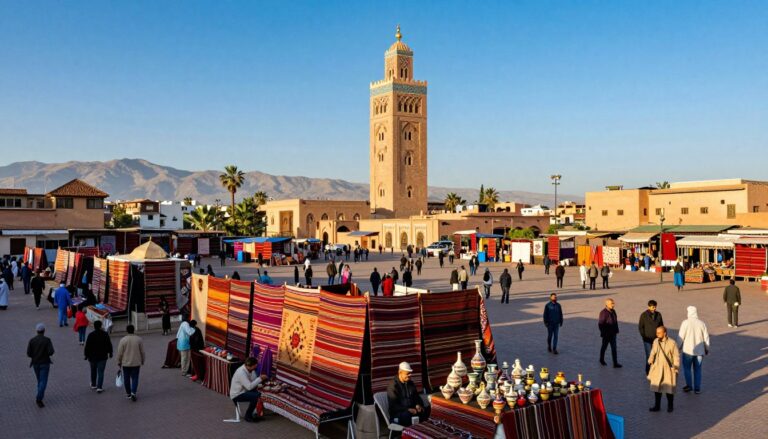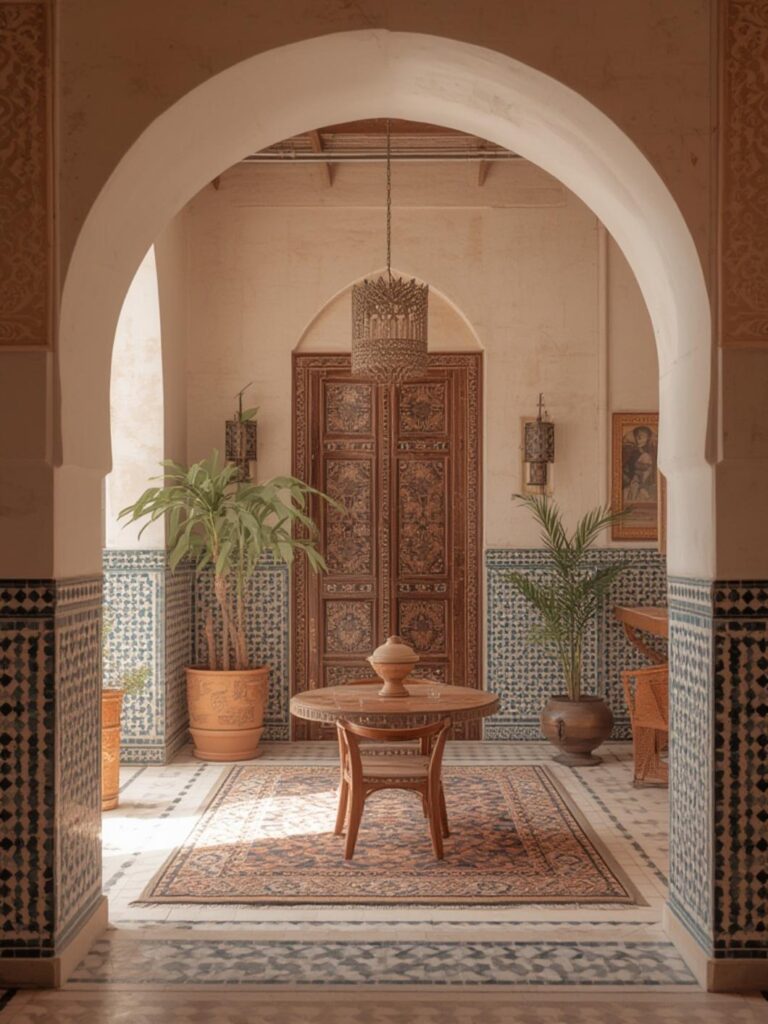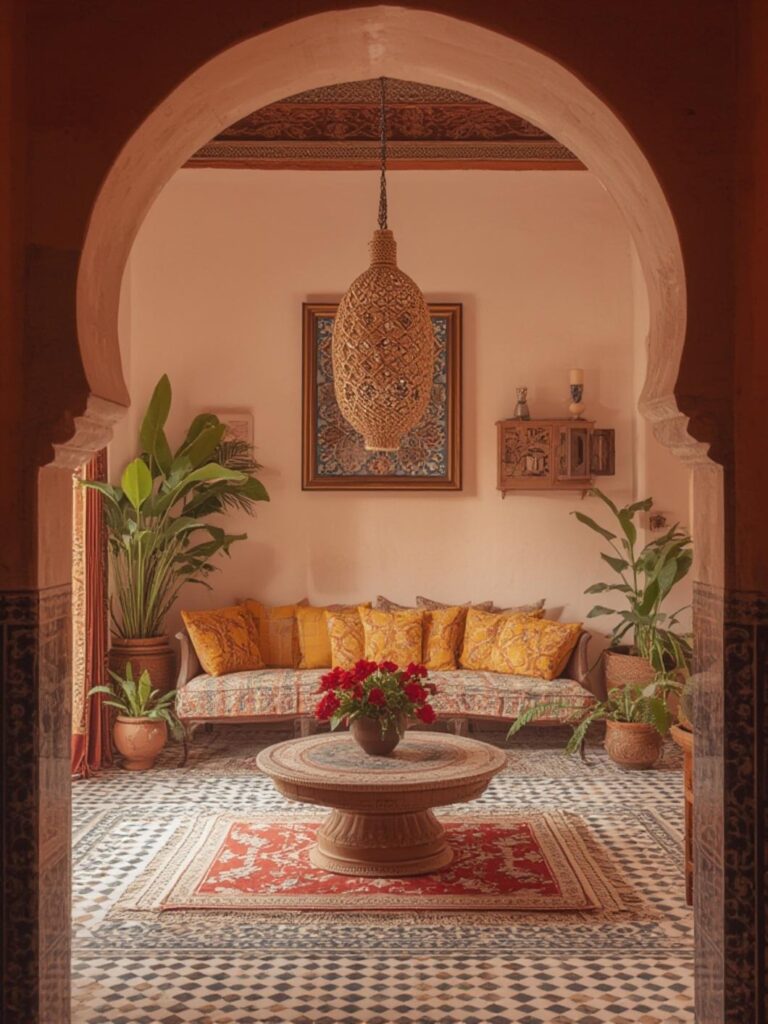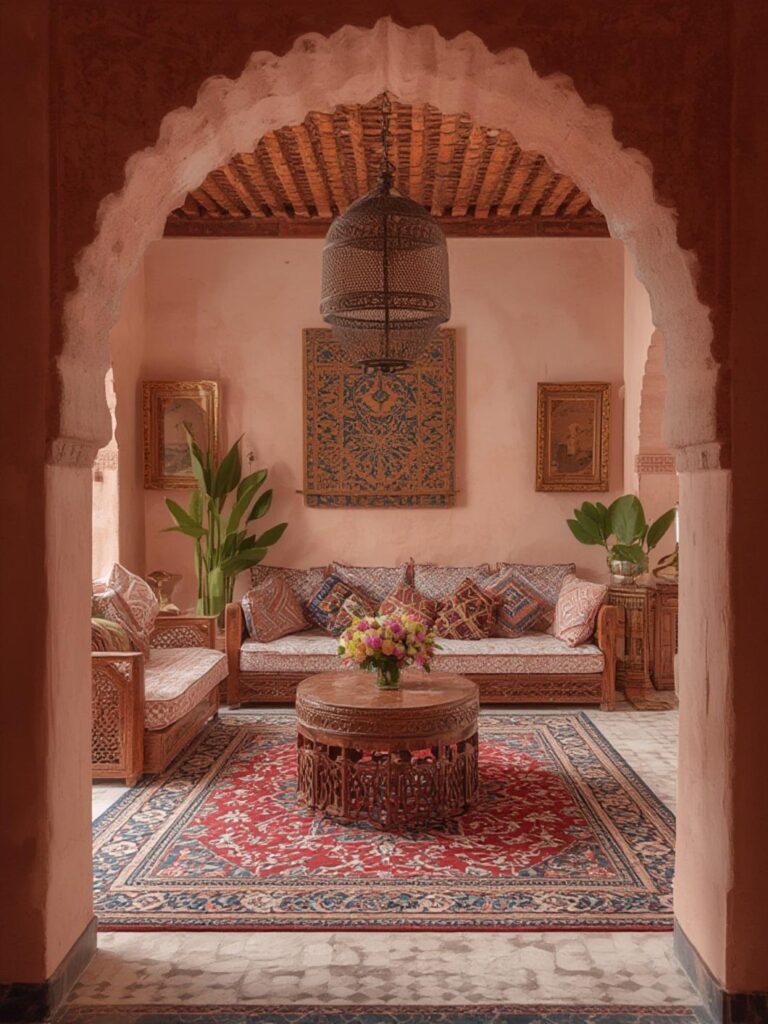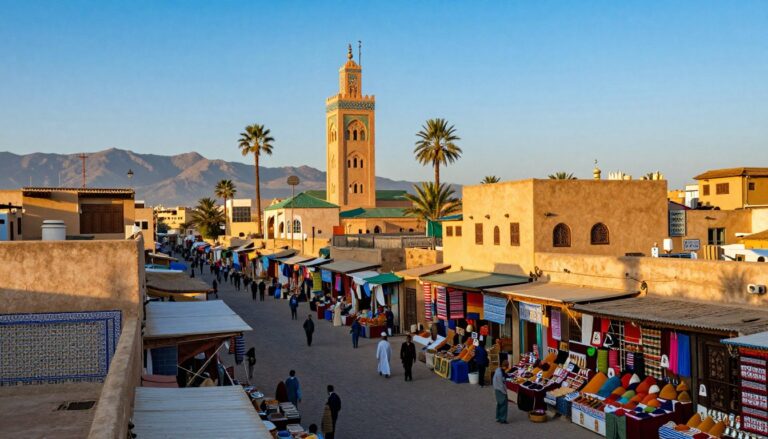
Fes Travel Guide 2026: Your Complete Blueprint to Exploring Morocco’s Cultural Capital
Have you ever dreamed of wandering through ancient medinas where time seems to stand still, surrounded by the intoxicating aroma of spices and the vibrant colors of traditional crafts? Fes, Morocco’s spiritual and cultural heart, offers an unforgettable journey into authentic North African heritage. As one of the world’s best-preserved medieval cities, planning your visit requires careful preparation to fully embrace its magic.
Table of Contents
Whether you’re a history enthusiast, a culinary explorer, or simply seeking adventure, this Fes travel guide 2026 will equip you with everything needed to navigate this labyrinthine city confidently. Understanding how to prepare for this destination ensures you’ll experience the rich tapestry of Moroccan culture without unnecessary stress, making your journey both memorable and transformative.
Travel Essentials
Before embarking on your Moroccan adventure, gathering the right essentials ensures smooth sailing through Fes’s winding streets and cultural experiences.
Essential Documents:
– Valid passport (with at least 6 months validity beyond your travel dates)
– Travel insurance documents covering medical emergencies and trip cancellations
– Printed hotel confirmations and tour bookings
– Digital copies of all documents stored securely in cloud storage
– Visa (if required based on your nationality—many countries receive automatic 90-day entry)
Clothing and Footwear:
– Comfortable walking shoes with excellent grip (you’ll walk 10,000+ steps daily)
– Modest clothing respecting local customs (shoulders and knees covered)
– Lightweight layers for temperature fluctuations between day and night
– Sun hat and sunglasses for daytime exploration
– Light scarf or shawl for women visiting religious sites
– Light jacket for cooler evenings, especially in winter months
Travel Gear and Accessories:
– Universal power adapter (Morocco uses European-style outlets)
– Portable power bank for smartphone and camera
– Quality camera or smartphone with ample storage
– Small backpack or crossbody bag for daily excursions
– Reusable water bottle with filtration system
– Hand sanitizer and wet wipes
– Basic first aid kit with anti-diarrheal medication
– Flashlight or headlamp for navigating dimly lit medina passages
Optional but Recommended:
– Phrasebook or translation app (Arabic/French)
– Local SIM card or international roaming plan
– Money belt or hidden pouch for valuables
– Earplugs if sensitive to noise
Timing / Travel Schedule
Timing your Fes adventure strategically enhances your overall experience significantly.
Best Travel Period:
Spring (March-May) and fall (September-November) offer ideal weather conditions with temperatures ranging from 15-25°C (59-77°F). Summer months (June-August) can be intensely hot, reaching 40°C (104°F), while winters (December-February) are mild but occasionally rainy.
Recommended Duration:
Allocate 3-4 full days to properly explore Fes without rushing. This allows adequate time for the medina, historical sites, day trips, and spontaneous discoveries.
Daily Schedule Suggestion:
– Morning (8 AM-12 PM): Explore major attractions when temperatures are comfortable and crowds minimal
– Midday (12 PM-3 PM): Lunch and siesta, respecting local customs
– Afternoon (3 PM-7 PM): Continue sightseeing or take guided tours
– Evening (7 PM onwards): Dinner, rooftop experiences, and night walks through illuminated medina
Preparation Time:
Start planning 3-6 months ahead to secure competitive flight prices and accommodation. Book popular riads and guided tours 2-3 months in advance, especially during peak seasons.
Step-by-Step Instructions
Follow this comprehensive Fes 2026 travel itinerary to maximize your experience:
Step 1: Arrange Transportation
Book your flights to Fes-Saïss Airport (FEZ) well in advance. Compare prices across multiple platforms and consider connecting flights through Casablanca for better rates. Arrange airport transfers to your accommodation beforehand—official taxis or pre-booked private transfers work best.
Step 2: Select Accommodations Strategically
Choose a traditional riad within or near the medina for authentic immersion. Research locations carefully—staying near Bab Boujloud provides easy access while maintaining proximity to modern conveniences.
Step 3: Plan Your Medina Exploration
Hire a licensed guide for your first medina tour (typically 3-4 hours). This prevents getting lost and provides historical context. Mark key landmarks on offline maps for independent exploration later.
Step 4: Visit Must-See Attractions
– Al-Qarawiyyin Mosque and University (exterior viewing for non-Muslims)
– Bou Inania Madrasa (stunning architecture and tilework)
– Chouara Tannery (iconic leather dyeing vats)
– Nejjarine Museum of Wooden Arts and Crafts
– Mellah (historic Jewish quarter)
– Royal Palace gates (photo opportunity)
Step 5: Experience Cultural Activities
Book a cooking class to learn traditional Moroccan cuisine preparation. Visit a hammam for an authentic spa experience. Attend evening cultural performances when available.
Step 6: Shop Mindfully
Practice bargaining respectfully—expect to negotiate to 50-60% of the initial price. Purchase unique items like leather goods, ceramics, spices, and argan oil products. Always verify authenticity before purchasing expensive items.
Step 7: Take Strategic Day Trips
Consider excursions to Volubilis (Roman ruins), Meknes (imperial city), or Chefchaouen (blue city) if time permits.
Advantages of the Destination
Fes offers unparalleled benefits that distinguish it from other Moroccan destinations:
Authentic Cultural Immersion: Unlike more touristy Marrakech, Fes maintains genuine traditional lifestyles, offering visitors deeper cultural connections and authentic experiences.
UNESCO World Heritage Status: The Fes el-Bali medina represents one of the world’s largest car-free urban areas and best-preserved medieval cities, providing time-travel experiences.
Artisan Craftsmanship: Witness centuries-old techniques practiced by master craftsmen in leather tanning, metalwork, woodcarving, and ceramic production.
Educational Value: As home to the world’s oldest continuously operating university, Fes embodies incredible intellectual heritage and Islamic scholarship traditions.
Culinary Excellence: Experience refined Moroccan cuisine in its birthplace, from street food to elaborate palace dining experiences.
Photographic Opportunities: Every corner presents Instagram-worthy moments—from colorful souks to architectural masterpieces and vibrant street life.
Personal Growth: Navigating this complex city builds confidence, cultural awareness, and adaptability while creating lasting memories.
Tips, Alternative Methods, or Travel Advice
Customize your Fes experience according to your travel style and preferences:
Budget Travel Options:
– Stay in budget riads or hostels (€15-30 per night)
– Eat at local cafes rather than tourist restaurants
– Use public buses or shared taxis instead of private transfers
– Join free walking tours (tip-based)
– Visit attractions during free entry times when available
Solo Traveler Considerations:
– Join group tours for safety and social connections
– Stay in social accommodations like guesthouses
– Inform accommodation staff of your daily plans
– Use official guides for medina exploration
– Be cautious but open to local interactions
Group Travel Benefits:
– Split costs for private guides and transportation
– Negotiate better accommodation rates
– Share experiences and provide mutual support
– Organize private cooking classes or cultural activities
Seasonal Adaptations:
– Summer: Start activities very early, take long midday breaks, carry electrolyte supplements
– Winter: Pack warmer layers, waterproof jacket, and embrace fewer tourists
– Ramadan: Respect fasting hours, expect modified business hours, experience unique evening atmosphere
Alternative Experiences:
– Attend festivals like the Fes Festival of World Sacred Music (typically May/June)
– Take photography workshops with local professionals
– Learn Arabic calligraphy or traditional music
– Volunteer with local community organizations
Common Mistakes to Avoid
Sidestep these frequent traveler errors to enhance your experience:
Mistake 1: Following “Helpful” Strangers
Unofficial guides often lead tourists to shops for commissions. Politely but firmly decline unsolicited assistance. Solution: Hire licensed guides through your accommodation or official tourist offices.
Mistake 2: Inadequate Cash Preparation
Many establishments don’t accept cards. Solution: Carry sufficient dirhams in small denominations, know ATM locations, and use official exchange services.
Mistake 3: Inappropriate Clothing
Revealing attire attracts unwanted attention and disrespects local customs. Solution: Dress modestly, covering shoulders, knees, and chest areas.
Mistake 4: Overpaying Without Bargaining
Accepting first prices means paying 2-3 times fair value. Solution: Research typical prices, bargain respectfully, and be prepared to walk away.
Mistake 5: Unrealistic Time Expectations
Rushing through Fes prevents proper appreciation. Solution: Allocate minimum 3 days and embrace slow travel philosophy.
Mistake 6: Ignoring Food Safety
Street food from questionable sources causes digestive issues. Solution: Eat at busy stalls with high turnover, avoid raw vegetables washed in tap water, and drink bottled water exclusively.
Mistake 7: Over-Planning Every Moment
Rigid schedules prevent spontaneous discoveries. Solution: Balance planned activities with unstructured exploration time.
Storage / Maintenance Tips
Preserve memories and prepare for future adventures with these practical tips:
Photo Management:
– Back up photos daily to cloud storage and external drives
– Organize images by location and date immediately
– Edit selectively to maintain special moments’ impact
– Create photo books or albums within months while memories remain fresh
Budget Tracking:
– Document daily expenses in a travel app
– Keep receipts for major purchases
– Review spending patterns to improve future trip planning
– Calculate cost-per-day for comparison with other destinations
Travel Journal Maintenance:
– Write brief daily entries capturing emotions and experiences
– Collect business cards, tickets, and small souvenirs in a dedicated envelope
– Record restaurant names, guide contacts, and favorite shops for future reference
Gear Care:
– Clean and inspect travel equipment after each trip
– Replace worn items before your next adventure
– Store electronics properly with charged batteries removed
– Update your travel checklist based on what you actually used
Future Trip Planning:
– Note what worked well and what to adjust
– Save contacts of exceptional guides and accommodations
– Research nearby destinations for potential return visits
– Share recommendations with fellow travelers to build karma
Conclusion
Exploring Fes in 2026 promises an extraordinary journey into Morocco’s soul, where ancient traditions thrive amid stunning Islamic architecture and warm hospitality. This Fes travel guide 2026 has equipped you with comprehensive knowledge—from essential preparations to navigating common challenges—ensuring your adventure exceeds expectations.
By following this Fes 2026 travel itinerary, you’ll experience authentic cultural immersion while avoiding typical tourist pitfalls. The medina’s labyrinthine passages may initially seem intimidating, but they reward curious explorers with unforgettable discoveries around every corner. Remember that successful travel combines careful planning with spontaneous flexibility, cultural respect with personal authenticity. Whether you’re sampling traditional mint tea on a riad terrace, bargaining in bustling souks, or marveling at centuries-old craftsmanship, Fes offers transformative experiences that linger long after you return home. Start planning today, embrace the adventure with an open heart, and prepare to create memories that will inspire future journeys. Share your Fes experiences in the comments below and inspire fellow travelers to discover this magical destination!
FAQs
Q1: Is Fes safe for tourists in 2026?
Yes, Fes is generally safe for tourists. Exercise normal precautions like avoiding isolated areas at night, securing valuables, and staying aware of surroundings. Petty theft occasionally occurs in crowded areas, so keep bags secured. Women traveling alone should dress modestly and may experience verbal harassment, which is best ignored.
Q2: How much money should I budget for a 4-day trip to Fes?
Budget travelers can manage on €40-60 daily (accommodation, food, local transport). Mid-range travelers should allocate €80-120 daily for comfortable riads, quality restaurants, and guided tours. Luxury travelers typically spend €200+ daily. Add flight costs and shopping budgets separately.
Q3: Do I need to speak Arabic or French to visit Fes?
Not essential, but helpful. Many people in tourist areas speak basic English. Learning simple Arabic phrases (greetings, thank you, numbers) shows respect and enhances interactions. French is widely spoken and particularly useful. Translation apps work well as backup communication tools.
Q4: Can I visit mosques in Fes as a non-Muslim?
Generally no—most mosques in Fes are closed to non-Muslims, including the famous Al-Qarawiyyin Mosque. You can admire exteriors and peek through doorways. However, some madrasas (religious schools) like Bou Inania welcome all visitors and offer stunning architectural examples.
Q5: What’s the best way to navigate the Fes medina without getting lost?
Hire a licensed guide for initial orientation, download offline maps (Maps.me works excellently), mark your accommodation location clearly, and remember key landmarks. Getting temporarily “lost” is part of the authentic experience—locals will help redirect you. The medina isn’t as large as it initially seems, and main paths eventually lead to familiar gates.