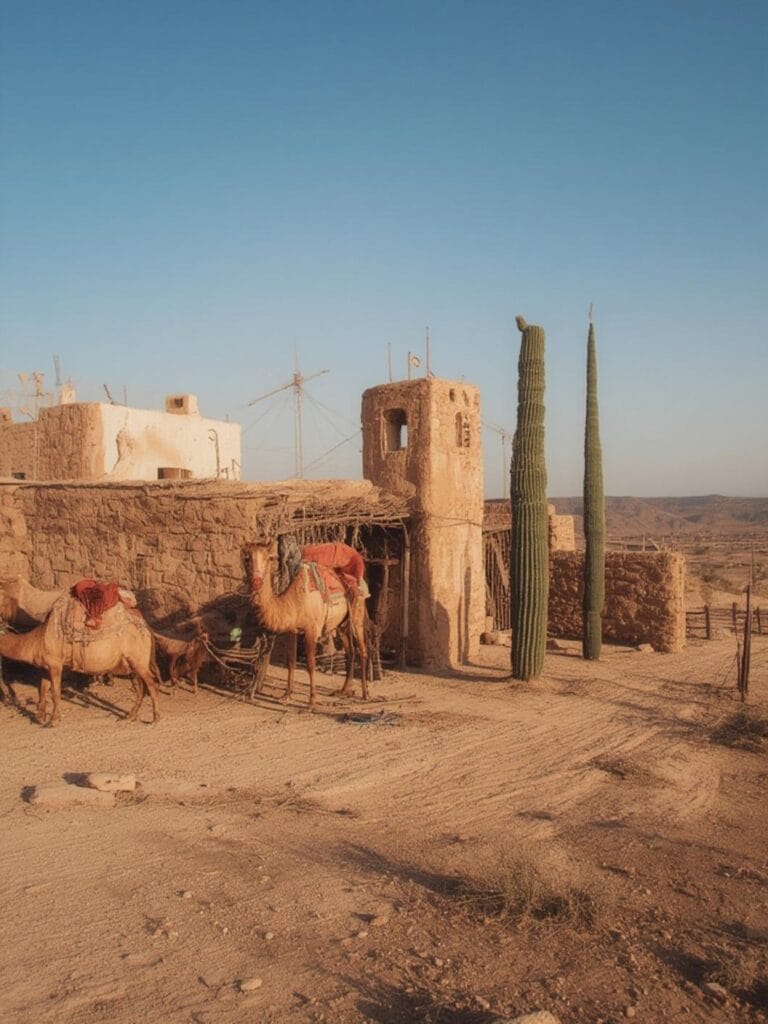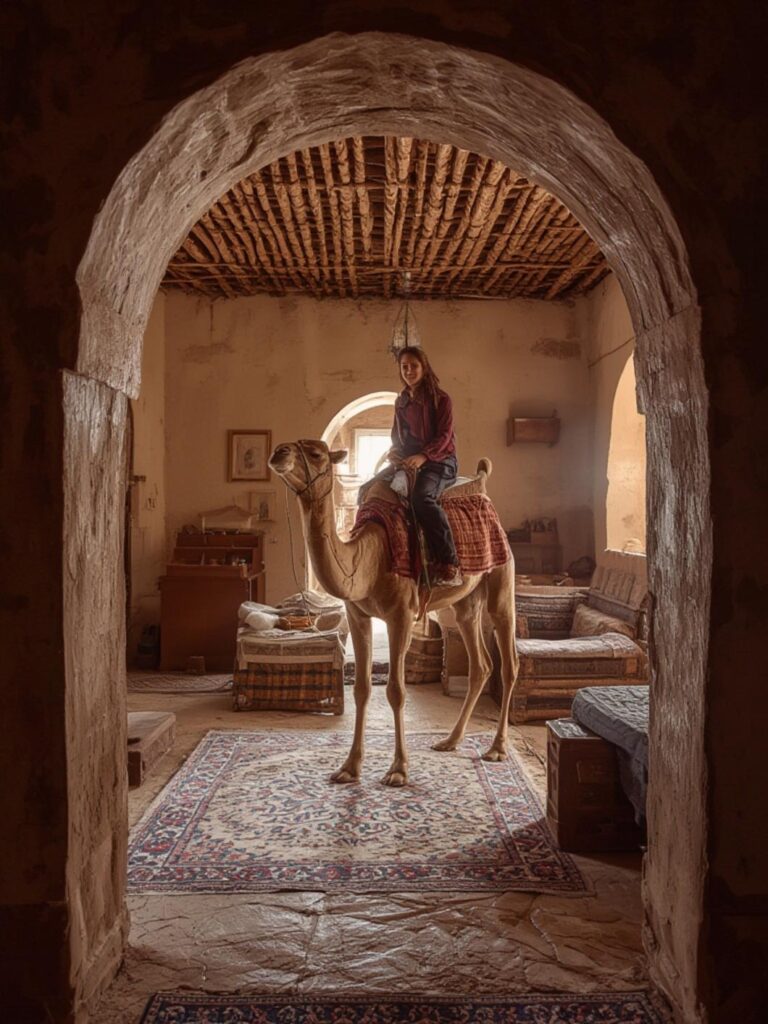
First Time in Morocco 2026: Your Complete Travel Guide
Have you ever dreamed of wandering through bustling souks filled with colorful spices, riding camels across golden sand dunes, or sipping mint tea while watching the sunset over ancient medinas? Morocco offers all this and more, making it one of the most captivating destinations for travelers seeking adventure, culture, and unforgettable experiences.
Table of Contents
Planning your First time in Morocco 2026 requires careful preparation, but the rewards are immeasurable. This North African gem seamlessly blends African, Arab, and European influences, creating a unique tapestry of experiences that will leave you enchanted. Whether you’re drawn to the imperial cities, the Sahara Desert, or the coastal towns, Morocco promises a journey unlike any other. In this comprehensive guide, we’ll walk you through everything you need to know to make your Moroccan adventure smooth, memorable, and truly spectacular.
Travel Essentials
Before embarking on your Moroccan journey, gathering the right essentials is crucial for a comfortable and hassle-free experience. Here’s what you’ll need:
Documents:
– Valid passport (with at least 6 months validity beyond your travel dates)
– Travel insurance documents
– Printed hotel confirmations and flight tickets
– International driving permit (if planning to rent a car)
– Copies of important documents stored separately
Clothing:
– Modest clothing that covers shoulders and knees (especially for women visiting religious sites)
– Lightweight, breathable fabrics for hot days
– Warm layers for cooler evenings and mountain regions
– Comfortable walking shoes with good support
– Sun hat and sunglasses
– Swimsuit for coastal areas or riads with pools
– Light scarf for women (useful for sun protection and modest dress)
Travel Gear:
– Universal power adapter (Morocco uses European-style plugs)
– Portable phone charger
– Money belt or hidden pouch for valuables
– Daypack for excursions
– Reusable water bottle with filter
– Camera with extra memory cards
Health and Safety Items:
– Prescription medications in original containers
– Hand sanitizer and wet wipes
– Sunscreen (SPF 50+)
– Insect repellent
– Basic first-aid kit
– Motion sickness tablets (for winding mountain roads)
Optional but Recommended:
– Phrasebook or translation app (French and Arabic are primary languages)
– Lightweight sleeping bag liner for budget accommodations
– Flashlight or headlamp for exploring medinas at night
– Ziplock bags for protecting electronics from sand
Timing / Travel Schedule
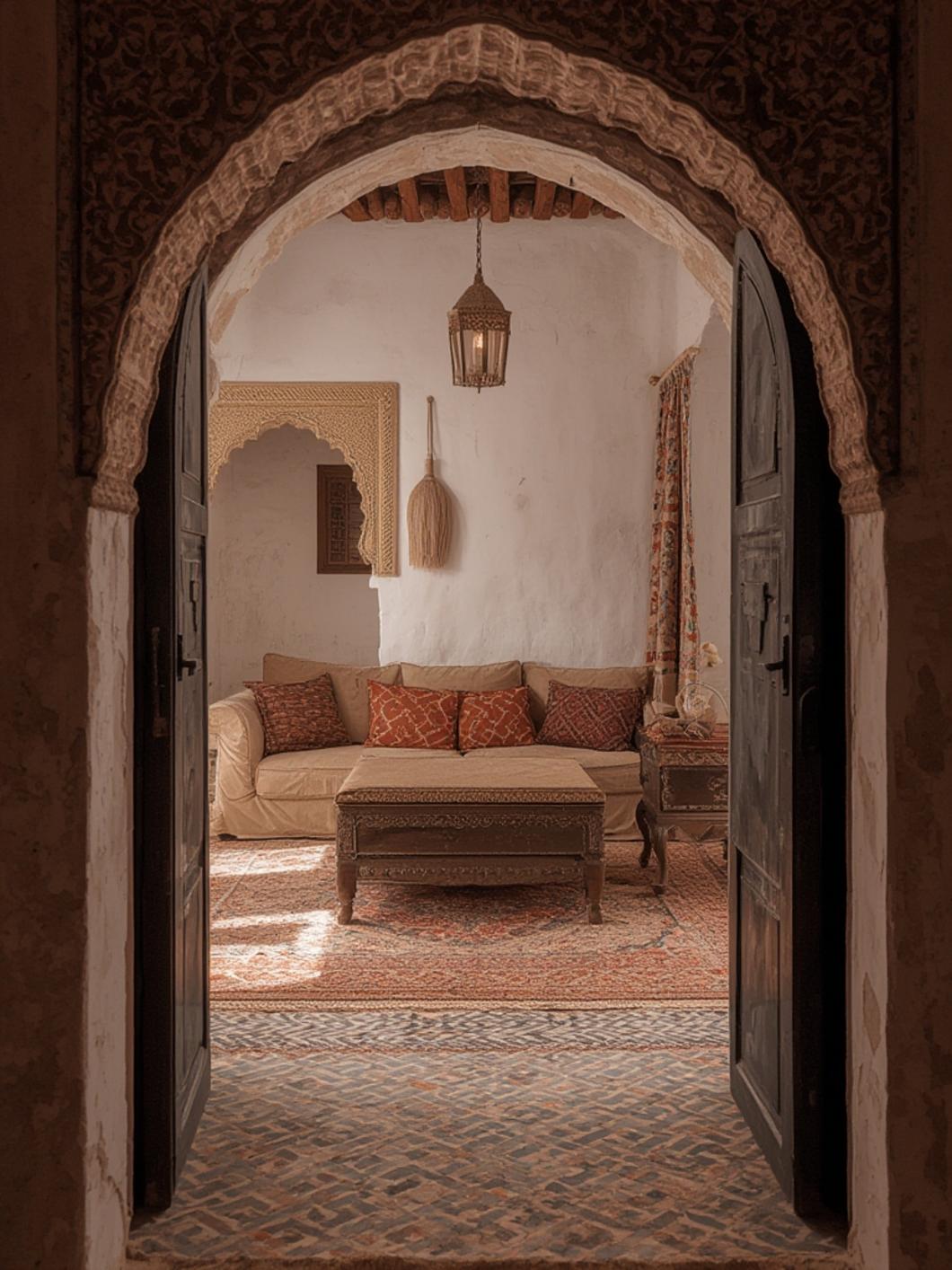
Understanding the best timing for your Moroccan adventure significantly impacts your experience. The ideal travel period for Morocco is during spring (March to May) or fall (September to November) when temperatures are moderate and comfortable for exploration.
Preparation Time:
Allow 2-3 months before departure to research destinations, book accommodations, and arrange any tours. This timeframe gives you flexibility to find the best deals on flights and accommodations while securing spots for popular desert tours or mountain treks.
Recommended Trip Duration:
A minimum of 7-10 days allows you to experience Morocco’s highlights without rushing. A two-week itinerary provides a more relaxed pace and the opportunity to venture off the beaten path.
Seasonal Considerations:
– Spring (March-May): Perfect weather, blooming landscapes, and fewer crowds make this prime traveling season
– Summer (June-August): Extremely hot in inland cities (40°C+), but coastal areas remain pleasant
– Fall (September-November): Comfortable temperatures return, harvest season brings fresh produce
– Winter (December-February): Cold in mountains and northern cities, but ideal for Sahara Desert visits
Expected Highlights:
Your journey will likely include 2-3 days exploring imperial cities like Marrakech or Fes, 2-3 days experiencing the Sahara Desert, 1-2 days in coastal towns like Essaouira, and potentially 2-3 days trekking in the Atlas Mountains.
Step-by-Step Instructions
Successfully navigating your Morocco 2026 travel guide requires following these carefully planned steps:
Step 1: Choose Your Entry Point
Most international travelers arrive through Casablanca (CMN), Marrakech (RAK), or Tangier (TNG) airports. Marrakech serves as an excellent starting point for first-timers, offering immediate immersion into Moroccan culture. Research flight options early to secure competitive prices.
Step 2: Plan Your Route
Design a circular route to minimize backtracking. A popular itinerary includes: Marrakech → Atlas Mountains → Sahara Desert → Fes → Chefchaouen → Rabat/Casablanca → Essaouira → back to Marrakech. This circuit covers diverse landscapes and cultural experiences without excessive travel time.
Step 3: Book Accommodations
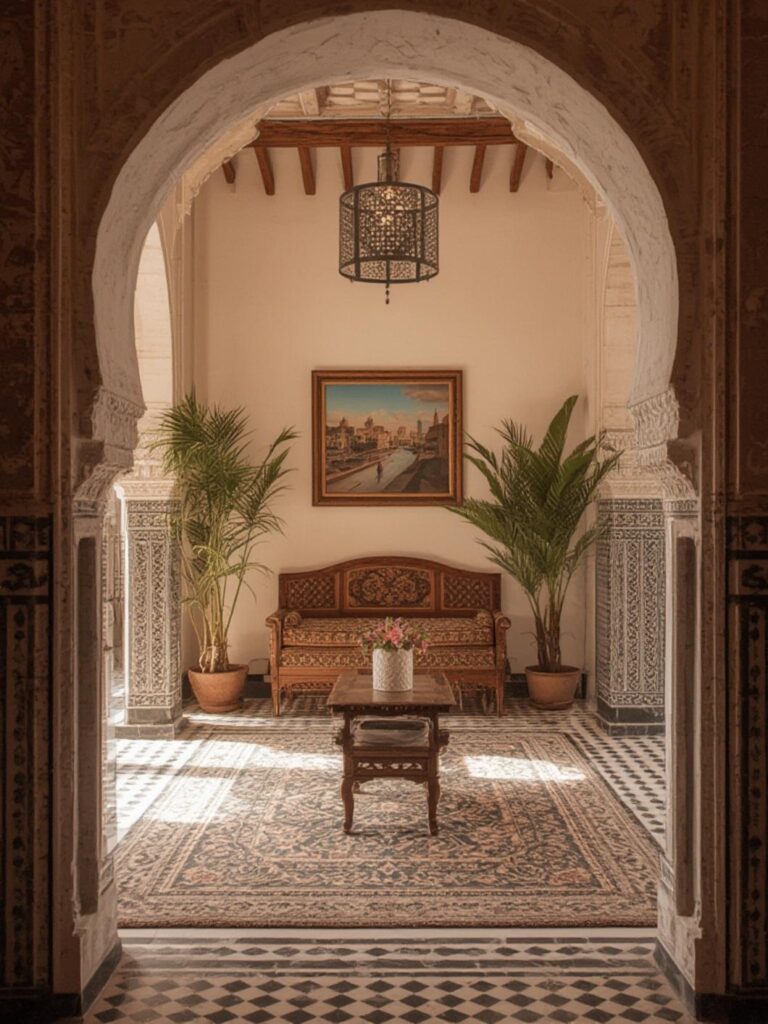
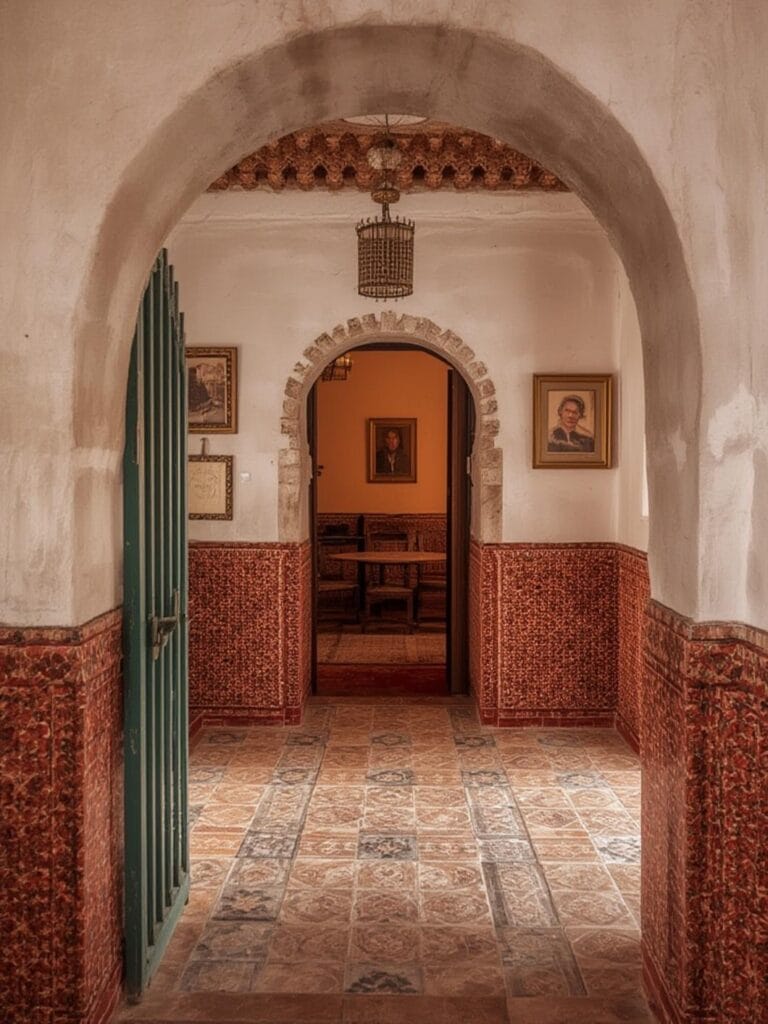
Reserve riads (traditional Moroccan houses converted into guesthouses) in medinas for authentic experiences. Book desert camps in advance, especially during peak season. Mix accommodation types—splurge on special riads in major cities while choosing budget options in smaller towns.
Step 4: Arrange Desert and Mountain Tours
Multi-day desert tours from Marrakech or Fes should be booked 1-2 months ahead. Reputable companies provide 4×4 transportation, experienced guides, and quality camping experiences. If planning Atlas Mountain treks, hire local guides who know the terrain and culture intimately.
Step 5: Learn Basic Phrases and Cultural Norms
Master simple Arabic and French greetings, numbers, and phrases. Understanding cultural expectations—like removing shoes before entering homes, using your right hand for eating, and dressing modestly—demonstrates respect and enhances interactions with locals.
Step 6: Manage Your Money
Exchange currency upon arrival at official exchange offices for better rates than airports. Carry cash (Moroccan dirhams) as many smaller establishments don’t accept cards. Notify your bank of travel dates to avoid card blocks. ATMs are widely available in cities but scarce in remote areas.
Step 7: Navigate Transportation
Within cities, use petit taxis (small taxis for short distances) and negotiate prices beforehand or ensure meters run. For intercity travel, CTM or Supratours buses offer reliable, comfortable service. Trains connect major cities efficiently. Consider hiring private drivers for remote destinations or flexible itineraries.
Step 8: Embrace the Souk Experience
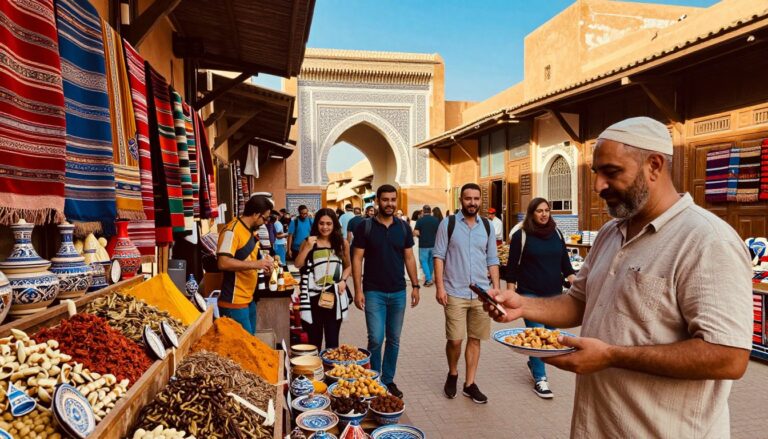
Visiting traditional markets (souks) requires patience and bargaining skills. Start by offering 40-50% of the initial asking price and negotiate respectfully. Don’t feel pressured to buy—walking away often brings vendors to reasonable prices. Enjoy the process as part of the cultural experience.
Advantages of the Destination
Morocco stands out among travel destinations for countless compelling reasons that attract millions of visitors annually.
Cultural Richness:
Morocco’s millennia-old history manifests in well-preserved medieval medinas, stunning Islamic architecture, and UNESCO World Heritage sites like Fes el-Bali and Ait Benhaddou. The country’s cultural diversity—Berber, Arab, African, and European influences—creates a fascinating mosaic of traditions, languages, and customs.
Diverse Landscapes:
Few countries offer such geographical variety within manageable distances. Experience snow-capped Atlas Mountains, endless Sahara dunes, lush oases, Atlantic and Mediterranean coastlines, and verdant valleys—all in one trip.
Affordability:
Morocco provides exceptional value compared to European destinations. Accommodation, food, and transportation remain reasonably priced, allowing travelers to experience luxury at moderate budgets. A satisfying meal can cost $5-10, while beautiful riads start around $40-60 per night.
Culinary Adventures:
Moroccan cuisine delights food enthusiasts with aromatic tagines, fluffy couscous, fresh seafood, pastilla, and endless mint tea. Cooking classes offer hands-on learning experiences, and street food provides authentic, budget-friendly options.
Warm Hospitality:
Moroccan hospitality is legendary. Locals often invite travelers for tea, offer directions enthusiastically, and take pride in sharing their culture. This genuine warmth creates memorable human connections beyond typical tourist experiences.
Adventure Opportunities:
From camel trekking and sandboarding in the Sahara to hiking North Africa’s highest peaks, surfing Atlantic swells, or quad biking through desert landscapes, Morocco satisfies adventure seekers of all levels.
Tips, Alternative Methods, or Travel Advice
Customize your Moroccan experience with these alternative approaches and insider tips:
Solo Travel:
Morocco is generally safe for solo travelers, including women, though extra precaution helps. Stay in social accommodations like hostels or group riads to meet fellow travelers. Join group tours for desert or mountain portions to enhance safety and share costs.
Budget Travel:
Stretch your dirham by eating at local restaurants rather than tourist-oriented establishments, staying in budget riads or hostels, using public transportation, and visiting free attractions like medinas, beaches, and some museums on designated free days.
Luxury Experience:
Indulge in Morocco’s high-end offerings by staying at palatial riads, booking private tours with expert guides, dining at upscale restaurants, and enjoying hammam spa treatments. Morocco’s luxury-to-cost ratio remains favorable compared to European equivalents.
Off-the-Beaten-Path Alternatives:
Skip overcrowded Marrakech in favor of equally beautiful but less touristed cities like Meknes or Rabat. Explore lesser-known destinations like the Dades Valley, Tafraoute, or Paradise Valley for authentic experiences away from crowds.
Group Tours:
Organized group tours provide structure, social opportunities, and local expertise while handling logistics. They’re particularly valuable for first-timers uncertain about independent travel in an unfamiliar culture.
Seasonal Strategies:
Visit during Ramadan (dates vary annually) for cultural insights, though restaurant hours change. Attend festivals like the Rose Festival in Kelaat M’Gouna (May) or Gnaoua World Music Festival in Essaouira (June) for special cultural experiences.
Family Travel:
Morocco welcomes families with child-friendly activities like camel rides, beach time, and cooking classes. Choose accommodations with pools and opt for private transportation for flexibility and comfort.
Common Mistakes to Avoid
Sidestep these frequent errors to ensure a smoother journey:
Mistake 1: Over-Planning Your Itinerary
Attempting to see everything leads to exhaustion and superficial experiences. Solution: Focus on 3-4 main destinations and allow buffer days for spontaneous discoveries and rest.
Mistake 2: Not Bargaining in Souks
Paying the first quoted price means overpaying significantly. Solution: Expect to negotiate to 40-60% of the initial price. Bargaining is cultural tradition, not rudeness.
Mistake 3: Drinking Tap Water
Morocco’s tap water can upset unaccustomed stomachs. Solution: Stick to bottled water, avoid ice in drinks, and use bottled water for brushing teeth in rural areas.
Mistake 4: Disrespecting Cultural Norms
Wearing revealing clothing or public displays of affection can offend locals. Solution: Dress modestly (covering shoulders and knees), especially outside tourist areas and when visiting religious sites.
Mistake 5: Accepting Unsolicited Guide Services
Unofficial “guides” in medinas often demand payment or lead you to shops for commissions. Solution: Politely decline offers and use official guides booked through hotels or licensed agencies.
Mistake 6: Exchanging Money at Airports
Airport exchange rates are notoriously poor. Solution: Exchange small amounts at airports for immediate needs, then use banks or official exchange offices in cities for better rates.
Mistake 7: Underestimating Travel Distances
Morocco’s mountainous terrain makes journeys longer than map distances suggest. Solution: Research actual travel times and build in extra time for delays, stops, and route conditions.
Mistake 8: Skipping Travel Insurance
Medical emergencies or trip disruptions without coverage prove financially devastating. Solution: Purchase comprehensive travel insurance covering medical emergencies, evacuation, trip cancellation, and theft.
Storage / Maintenance Tips
Preserving memories and planning future Moroccan adventures requires these organizational strategies:
Photo Management:
Back up photos daily to cloud storage or external drives—memory cards can fail or get lost. Organize photos by location and date immediately. Create albums for different cities and experiences to easily locate specific memories later.
Budget Tracking:
Use expense-tracking apps like Trail Wallet or spreadsheets to monitor spending. Record expenses in local currency and your home currency for accurate budget assessment. This data proves invaluable for planning future trips or recommending budgets to friends.
Travel Journal:
Document daily experiences, local interactions, restaurant recommendations, and personal reflections. These notes become priceless when memory fades and invaluable when planning return visits or advising other travelers.
Contact Collection:
Save contact information for helpful guides, drivers, riad owners, and new friends. These connections often lead to better experiences on return visits or valuable recommendations for fellow travelers.
Document Organization:
Scan important documents and store them in secure cloud storage accessible offline. Keep physical copies separate from originals. Organize confirmation emails in dedicated folders for easy reference.
Seasonal Planning:
Note which seasons you experienced and what you’d do differently. Record attractions closed during your visit to prioritize on future trips. This information helps plan return visits during optimal times.
Gift and Souvenir Lists:
Document where you purchased special items, noting shop names and approximate locations. This helps you return to favorite vendors or direct friends to authentic shopping experiences.
Conclusion
Planning your First time in Morocco 2026 opens doors to an extraordinary adventure filled with sensory delights, cultural discoveries, and unforgettable memories. From the labyrinthine medinas of Fes to the star-filled Sahara nights, from the bustling Jemaa el-Fnaa square to the serene blue streets of Chefchaouen, Morocco offers experiences that transform travelers and broaden perspectives.
By following this comprehensive Morocco 2026 travel guide, you’re equipped with the knowledge, practical tips, and insider advice needed to navigate this captivating country confidently. Remember to approach Morocco with an open mind, embrace the unexpected, and allow yourself to be swept up in the magic that makes this destination so special. The memories you create exploring Morocco’s diverse landscapes, tasting its aromatic cuisine, and connecting with its warm people will stay with you long after you return home. Don’t wait—start planning your Moroccan adventure today, and prepare for a journey that will exceed your expectations and perhaps change your life.
Ready to embark on your Moroccan journey? Share your travel plans, questions, or experiences in the comments below, and don’t forget to explore our other Morocco destination guides for more in-depth information on specific cities and regions!
FAQs
Q1: Do I need a visa to visit Morocco in 2026?
Most visitors from the US, Canada, EU, UK, and Australia don’t need visas for stays up to 90 days. However, visa requirements can change, so verify current regulations with the Moroccan embassy or consulate in your country 2-3 months before departure. Ensure your passport has at least six months validity beyond your planned departure date.
Q2: Is Morocco safe for first-time travelers?
Yes, Morocco is generally safe for tourists, with lower crime rates than many popular European destinations. Exercise standard precautions like avoiding poorly lit areas at night, securing valuables, and staying aware of surroundings. Petty theft like pickpocketing occurs in crowded areas, so use money belts and keep belongings secure. Women travelers should dress modestly and may experience verbal attention but can travel safely, especially in groups or tourist areas.
Q3: How much money should I budget for a 10-day trip to Morocco?
Budget travelers can manage on $40-60 per day covering accommodation ($15-25), food ($10-15), and transportation ($10-15), plus tour costs. Mid-range travelers should budget $80-120 daily for comfortable riads ($40-60), quality meals ($20-30), and convenient transportation ($15-25). Luxury travelers might spend $200+ daily. Add costs for desert tours ($100-200 for 2-3 days), souvenirs, and activities. A 10-day trip typically costs $600-1,500 for budget, $1,200-2,000 for mid-range, and $2,500+ for luxury experiences.
Q4: What’s the best way to get around Morocco?
For intercity travel, trains efficiently connect major cities like Marrakech, Casablanca, Rabat, and Tangier. CTM and Supratours buses serve destinations without train access, offering comfortable, reliable service. Within cities, petit taxis work for short distances (always negotiate or use meters), while grand taxis serve longer routes. For flexibility visiting remote areas, consider hiring private drivers or joining organized tours. Renting cars provides maximum freedom but requires comfort navigating Moroccan roads and driving styles.
Q5: Can I drink alcohol in Morocco?
Yes, though Morocco is a Muslim-majority country, alcohol is available in tourist areas, upscale restaurants, some hotels, and licensed stores. It’s not sold in most local restaurants or shops. Drinking alcohol publicly or appearing intoxicated is considered disrespectful, especially during Ramadan. Many riads and hotels serve alcohol, and larger cities have bars and clubs. Purchase alcohol from licensed vendors and consume it respectfully in appropriate settings.