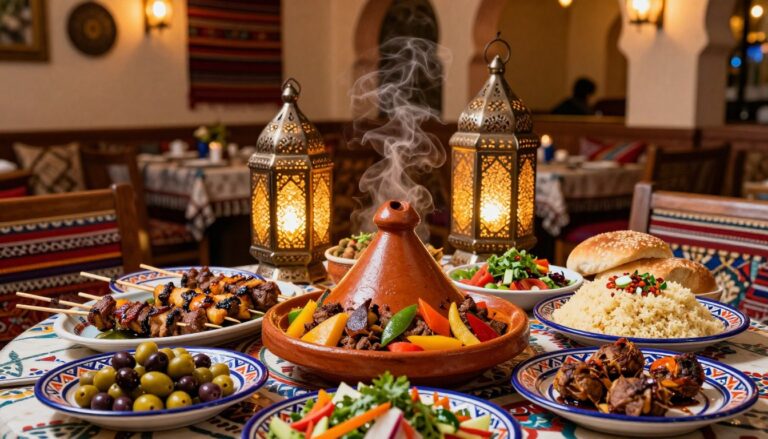
Morocco Food 2026: Your Ultimate Guide to Culinary Adventures in the Heart of North Africa
Have you ever dreamed of wandering through vibrant spice markets, savoring tagine cooked in clay pots over open flames, or sipping sweet mint tea while overlooking the Atlas Mountains? Planning your culinary journey through Morocco in 2026 is more than just a vacation—it’s an immersive experience into one of the world’s most celebrated food cultures.
Table of Contents
Morocco Food 2026 promises travelers an unforgettable gastronomic adventure where ancient traditions meet modern culinary innovation. With UNESCO-recognized culinary heritage and an explosion of food festivals planned throughout the year, Moroccan cuisine 2026 will showcase authentic flavors, cooking workshops, and farm-to-table experiences that connect you directly with local communities. Whether you’re a seasoned foodie or a curious traveler, this comprehensive guide will help you navigate Morocco’s rich culinary landscape with confidence and excitement.
Travel Essentials
Before embarking on your Moroccan food journey, proper preparation ensures a smooth and enriching experience. Here’s everything you need:
Documents and Legal Requirements:
– Valid passport (with at least 6 months validity)
– Travel insurance covering medical emergencies
– Printed copies of accommodation confirmations
– International driving permit (if planning to rent a vehicle)
– Digital copies of all documents stored securely online
Clothing and Footwear:
– Lightweight, breathable layers for varying temperatures
– Comfortable walking shoes for market explorations
– Modest clothing for visiting traditional areas and homes
– Sun protection: wide-brimmed hat and sunglasses
– Light scarf or shawl (multipurpose for sun protection and modesty)
Culinary-Specific Gear:
– Portable spice containers for purchases
– Reusable shopping bags for market visits
– Camera or smartphone with good photo capabilities
– Small notebook for recording recipes and recommendations
– Hand sanitizer and wet wipes
Technology and Navigation:
– Universal power adapter (Morocco uses European-style plugs)
– Portable charger/power bank
– Translation app with offline capabilities (French and Arabic)
– Maps.me or Google Maps with downloaded offline maps
– Mobile data SIM card or international roaming plan
Optional Items:
– Compact cooler bag for transporting fresh ingredients
– Portable water purification system
– Basic first-aid kit with digestive aids
– Collapsible water bottle
Timing / Travel Schedule
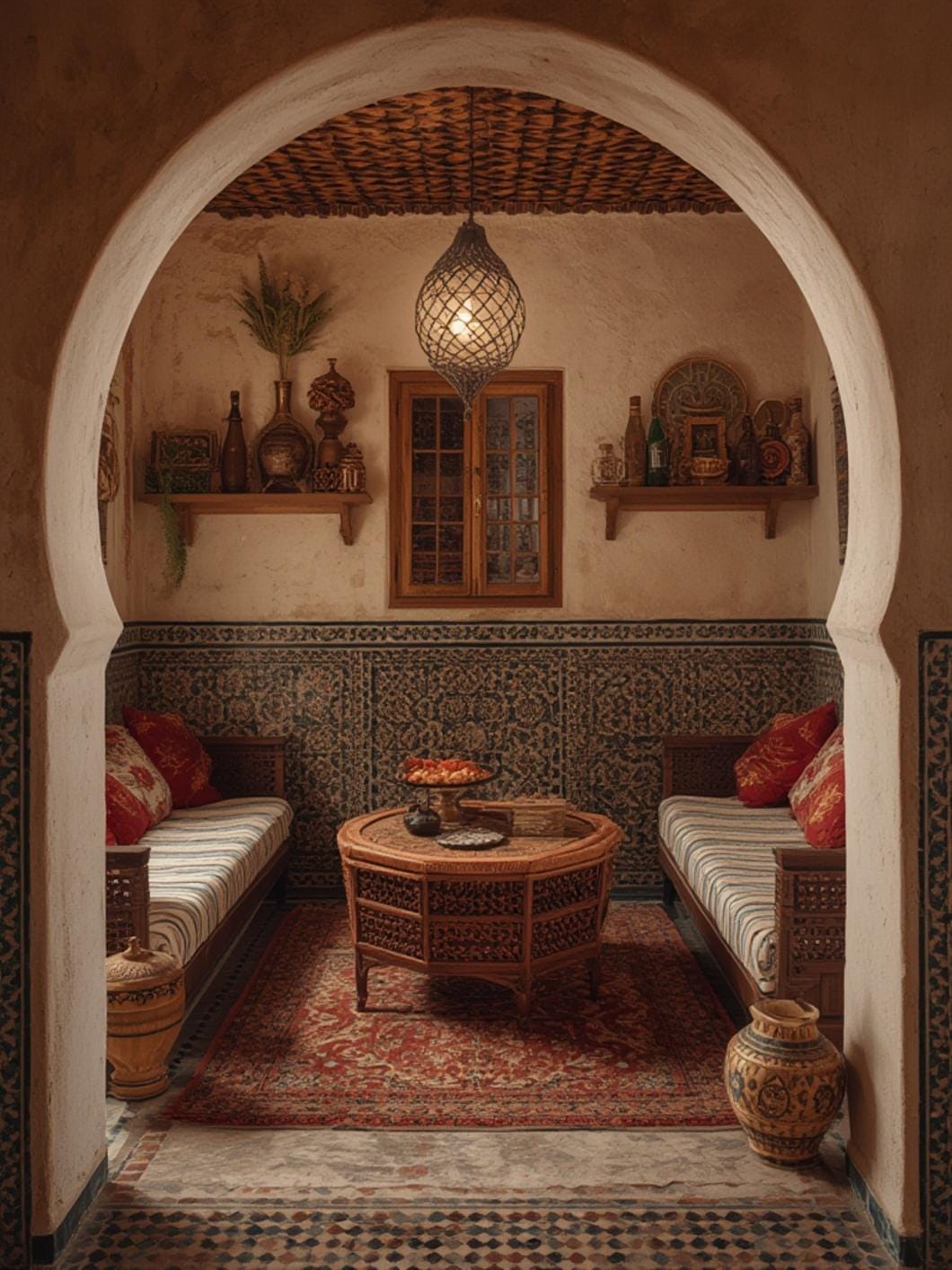
The ideal preparation period for your Morocco food adventure begins 3-6 months before departure. This timeframe allows you to research cooking classes, book popular food tours, and secure accommodations in culinary hotspots like Marrakech, Fes, and Essaouira.
Best Travel Period:
Spring (March-May) and Fall (September-November) offer the most comfortable temperatures for food exploration. These seasons coincide with harvest periods, providing access to the freshest ingredients. The peak tourist season runs from April to October, but food enthusiasts will appreciate the shoulder seasons when markets are less crowded.
Daily Schedule Framework:
– Morning (7-10 AM): Visit fresh produce markets when vendors display their best selections
– Mid-morning (10 AM-12 PM): Attend cooking classes or food workshops
– Lunch (12-3 PM): Experience traditional multi-course Moroccan meals
– Afternoon (3-6 PM): Explore historical sites or rest during the hottest hours
– Evening (6-9 PM): Enjoy sunset dining experiences and street food tours
– Night (9 PM onwards): Visit night markets and sample late-night specialties
Compared to standard sightseeing tours, food-focused itineraries require more flexible scheduling to accommodate cooking times, market rhythms, and digestion breaks between tastings.
Step-by-Step Instructions

Step 1: Research and Plan Your Culinary Itinerary
Identify which cities and regions align with your food interests. Marrakech offers cooking schools and vibrant souks, Fes is renowned for traditional recipes, while coastal cities like Essaouira specialize in seafood. Book reputable cooking classes and food tours at least two months in advance. When planning your Morocco Food 2026 adventure, prioritize experiences that include market visits and hands-on preparation.
Step 2: Learn Basic Food Vocabulary
Familiarize yourself with essential Moroccan food terms: tagine (slow-cooked stew), couscous (steamed semolina grains), harira (traditional soup), pastilla (savory-sweet pastry), and mechoui (slow-roasted lamb). Understanding these terms helps you navigate menus and communicate with locals.
Step 3: Secure Accommodations Near Food Hubs
Choose riads or hotels within walking distance of major markets and food districts. This positioning allows spontaneous culinary discoveries and reduces transportation stress after large meals.
Step 4: Connect with Local Food Guides
Hire knowledgeable local guides who can provide context about ingredient sourcing, preparation techniques, and cultural significance. These connections often lead to exclusive experiences like home-cooked meals with Moroccan families, which showcase authentic Moroccan cuisine 2026 in its purest form.
Step 5: Attend a Traditional Cooking Class
Participate in comprehensive classes that begin with market shopping and end with enjoying your prepared meal. These typically last 4-6 hours and provide invaluable skills you can recreate at home.
Step 6: Document Your Journey
Photograph dishes, ingredients, and preparation methods. Record recipes, vendor locations, and personal reflections. This documentation becomes a treasured reference for future cooking and trip planning.
Step 7: Purchase Authentic Ingredients and Cookware
Visit reputable spice merchants and artisan cookware shops to buy tagine pots, Moroccan teapots, spice blends (ras el hanout, harissa), and argan oil. Ensure items are properly packaged for international travel.
Advantages of the Destination
Morocco offers unparalleled culinary advantages that distinguish it from other food destinations:
Cultural Immersion: Food serves as the gateway to understanding Moroccan hospitality, family structures, and historical influences from Berber, Arab, Andalusian, and French cultures.
Diverse Regional Specialties: Each region showcases distinct flavors—from the seafood-rich Atlantic coast to the date-sweetened dishes of the Saharan south, providing extraordinary variety within one country.
Affordability: Compared to European culinary destinations, Morocco offers exceptional value. Street food meals cost $2-5, while elaborate restaurant experiences rarely exceed $30 per person.
Hands-On Learning Opportunities: Morocco’s cooking class culture welcomes tourists with open arms, offering accessible education in traditional techniques rarely shared in other destinations.
Health Benefits: The Mediterranean-influenced Moroccan diet emphasizes fresh vegetables, legumes, olive oil, and lean proteins—nutritionally balanced and delicious.
Year-Round Availability: Unlike seasonal food destinations, Morocco’s varied climate zones ensure fresh ingredients throughout the year.
Tips, Alternative Methods, or Travel Advice
Solo Travel Approach:
Solo food travelers can join group cooking classes for social interaction while maintaining independence. Many riads offer communal dining tables where solo travelers connect naturally over meals.
Budget-Friendly Options:
Skip expensive restaurants in favor of market stalls and local eateries (look for establishments filled with Moroccans). Street food like sandwiches (bocadillos), grilled meats, and fresh juices provide authentic experiences at minimal cost. Consider staying in hostels with kitchen facilities to practice your newfound cooking skills.
Luxury Culinary Experience:
Invest in private cooking sessions with renowned chefs, exclusive restaurant reservations at Michelin-recommended establishments, and custom food tours with expert sommeliers pairing Moroccan wines.
Family-Friendly Adaptations:
Many cooking schools offer family classes where children participate in age-appropriate tasks. Choose milder spice levels when dining out, and balance adventurous meals with familiar international options available in major cities.
Seasonal Considerations:
Summer visitors should plan food activities during cooler morning hours and seek air-conditioned cooking spaces. Winter travelers in mountain regions should pack warmer clothing for market visits and enjoy hearty, warming dishes like harira soup.
Dietary Restrictions:
Vegetarians and vegans thrive in Morocco due to abundant vegetable tagines, couscous dishes, and legume-based meals. Communicate dietary needs clearly, as many seemingly vegetarian dishes may contain hidden meat broths. Gluten-free travelers should note that couscous contains gluten, but can request rice-based alternatives.
Common Mistakes to Avoid
Mistake 1: Eating Only at Tourist-Oriented Restaurants
Solution: Venture into residential neighborhoods where locals eat. The authenticity and prices improve dramatically just blocks away from major tourist squares.
Mistake 2: Avoiding Street Food Due to Safety Concerns
Solution: Street food is generally safe when vendors demonstrate high turnover and proper food handling. Choose stalls with visible cooking processes and busy local clientele.
Mistake 3: Not Negotiating Spice Purchases
Solution: Prices at spice markets are negotiable. Research fair prices beforehand and don’t hesitate to politely bargain, especially for larger quantities.
Mistake 4: Overpacking Your Daily Schedule
Solution: Moroccan meals are leisurely affairs. Allow ample time between food experiences to digest, reflect, and avoid culinary fatigue. Quality trumps quantity.
Mistake 5: Disregarding Local Dining Customs
Solution: Learn basic etiquette: eat with your right hand, accept hospitality graciously, compliment the cook, and pace yourself with the group when sharing communal dishes.
Mistake 6: Forgetting to Stay Hydrated
Solution: The combination of rich foods, warm climate, and extensive walking demands consistent hydration. Carry water and balance sweet mint tea with plain water.
Mistake 7: Not Confirming Cooking Class Details
Solution: Reconfirm reservations 24-48 hours beforehand, clarify what’s included (market visit, meal, recipes), and verify meeting points to avoid confusion.
Storage / Maintenance Tips
Managing Travel Photos and Recipes:
Organize your culinary journey documentation systematically. Create dedicated folders for each city or experience, backing up photos to cloud storage daily. Use apps like Evernote or Google Keep to store recipes with associated photos immediately after cooking classes.
Budget Tracking:
Maintain a simple spreadsheet or use travel budget apps (Trail Wallet, TravelSpend) to monitor food-related expenses. This helps identify value experiences and plan future trips more accurately.
Ingredient and Souvenir Preservation:
Vacuum-seal spices to preserve freshness and prevent leakage. Store traditional clay tagines carefully with protective padding. Argan oil should be kept in cool, dark conditions both during travel and at home.
Future Trip Planning:
Create a “lessons learned” document noting which tours exceeded expectations, which restaurants to revisit, and dishes you want to master. Include contact information for exceptional guides and vendors.
Seasonal Maintenance:
If you purchased traditional cookware, season tagine pots before first use and maintain them according to artisan instructions. This preserves their functionality and extends their lifespan.
Social Media and Blog Documentation:
Share your journey through Instagram, food blogs, or YouTube. This not only preserves memories but connects you with fellow food travelers who offer recommendations and shared experiences.
Conclusion
Your Morocco Food 2026 journey represents more than tourism—it’s a transformative experience that engages all senses while deepening cultural understanding. From the aromatic spice markets of Marrakech to intimate cooking sessions in family homes, Moroccan cuisine 2026 offers unparalleled opportunities to connect with centuries-old culinary traditions while creating lasting personal memories.
The preparation, planning, and hands-on experiences outlined in this guide position you for success, whether you’re seeking budget-friendly street food adventures or luxury culinary education. Remember that the most meaningful moments often happen spontaneously—a shared meal with strangers, an unexpected recipe revelation, or a perfectly spiced tagine enjoyed under the stars. Take the knowledge you’ve gained here, book that flight, and prepare your palate for an extraordinary adventure. Don’t forget to share your experiences with fellow food lovers and inspire others to embark on their own Moroccan culinary journey. The flavors of Morocco await—are you ready to answer the call?
FAQs
Q1: Is Moroccan food very spicy?
Moroccan cuisine is flavorful rather than aggressively spicy. While dishes incorporate various spices (cumin, coriander, ginger, cinnamon), they typically aren’t hot. Harissa, the spicy chili paste, is usually served on the side, allowing you to control heat levels. Those sensitive to spice can easily enjoy most traditional dishes.
Q2: What’s the average cost of a cooking class in Morocco?
Cooking classes range from $30-100 per person depending on location, duration, and inclusions. Half-day classes including market tours and meals typically cost $50-70, while private sessions with renowned chefs can exceed $150. Group classes offer better value than private instruction.
Q3: Can I find vegetarian and vegan options easily?
Absolutely. Moroccan cuisine naturally includes numerous vegetable-based dishes like vegetable tagine, zaalouk (eggplant salad), taktouka (pepper and tomato salad), and various legume dishes. Always confirm that vegetable dishes aren’t prepared with meat broth, and you’ll discover abundant plant-based options.
Q4: How do I avoid getting sick from food or water?
Drink only bottled or purified water, avoid ice in drinks, and choose well-cooked hot foods. Street food from busy vendors with high turnover is generally safe. Wash your hands frequently, carry hand sanitizer, and avoid raw salads at questionable establishments. Most travelers experience no issues when following basic precautions.
Q5: What are the must-try dishes during a food trip to Morocco?
Essential experiences include: traditional lamb or chicken tagine, couscous (especially Friday’s traditional serving), pastilla (sweet and savory pastry), harira soup, mechoui (slow-roasted lamb), fresh seafood in coastal cities, Moroccan salads, msemen (flatbread), and finishing with mint tea and pastries. Each region offers unique specialties worth exploring beyond these classics.