Experience the Magic: Your Complete Guide to Merzouga Desert Camping in 2026
Have you ever dreamed of sleeping under a blanket of stars so thick you could almost touch them, surrounded by endless golden dunes that whisper ancient secrets? Merzouga desert camping offers one of the most transformative travel experiences on Earth—a journey that transcends typical tourism and connects you deeply with nature’s raw beauty.
Table of Contents
As we look ahead to 2026, planning a Merzouga desert camping 2026 adventure becomes not just a vacation but an investment in memories that will last a lifetime. Located on the edge of Morocco’s magnificent Erg Chebbi dunes, Merzouga presents travelers with an authentic Saharan experience that combines adventure, culture, and tranquility. Whether you’re seeking spiritual renewal, photographic opportunities, or simply an escape from the digital world, this destination delivers on every front. The growing popularity of Merzouga desert safari tours demonstrates that more travelers are recognizing the profound value of disconnecting from modern life and reconnecting with something timeless and essential.
Travel Essentials
Preparing properly for your Merzouga desert adventure ensures comfort and safety throughout your journey. Here’s what you’ll need:
Documentation and Money:
– Valid passport (with at least 6 months validity)
– Travel insurance covering medical emergencies
– Copies of important documents stored digitally and physically
– Sufficient Moroccan Dirhams (cash is king in desert areas)
– Credit/debit cards as backup
Clothing:
– Lightweight, breathable long-sleeved shirts and pants (sun protection)
– Warm layers including fleece jacket (desert nights are surprisingly cold)
– Comfortable closed-toe walking shoes
– Sandals for camp relaxation
– Traditional scarf or shemagh (protects against sun and sand)
– Wide-brimmed hat or cap
– Sleepwear suitable for temperature fluctuations
Gear and Accessories:
– Quality sunglasses with UV protection
– High-SPF sunscreen (30+ minimum)
– Lip balm with SPF
– Refillable water bottle (1-2 liters capacity)
– Headlamp or flashlight with extra batteries
– Power bank for electronic devices
– Camera with extra memory cards and batteries
– Small backpack for day excursions
Optional but Recommended:
– Portable solar charger
– Binoculars for wildlife watching
– Journal and pen for reflection
– Small first-aid kit with personal medications
– Wet wipes and hand sanitizer
– Earplugs if you’re a light sleeper
Timing / Travel Schedule
Preparation Time:
Begin planning your Merzouga desert camping experience at least 3-4 months in advance. This allows time to book quality tour operators, secure accommodations, and arrange international flights at competitive prices.
Best Travel Periods:
The optimal seasons for visiting Merzouga are spring (March-May) and autumn (September-November), when daytime temperatures range between 20-28°C (68-82°F) and nights are comfortably cool. Winter (December-February) offers mild days but very cold nights (sometimes near freezing), while summer (June-August) brings extreme heat exceeding 40°C (104°F) during the day.
Typical Itinerary Timeline:
Most desert camping experiences span 2-3 days. A standard schedule includes:
– Day 1: Arrival in Merzouga, camel trek departure (late afternoon), sunset viewing, arrival at camp, traditional dinner, and stargazing
– Day 2: Sunrise viewing, breakfast, optional activities (sandboarding, quad biking), lunch, free time, evening entertainment with Berber music
– Day 3: Return journey by camel or 4×4, breakfast in Merzouga
Step-by-Step Instructions
Step 1: Research and Book Your Tour
Compare reputable operators offering Merzouga desert camping 2026 packages. Read recent reviews, verify what’s included (meals, transportation, guide services), and confirm camp standards. Budget tours start around $50-80 per person, while luxury experiences can exceed $200-300.
Step 2: Arrange Transportation to Merzouga
Most travelers fly into Marrakech or Fes, then take a scenic 8-10 hour drive through the Atlas Mountains. Options include private transfers, shared shuttles, or rental cars for the adventurous. Book this transportation simultaneously with your desert tour.
Step 3: Pack Strategically
Use the essentials list above but pack light. Most camps provide bedding and basic amenities. A small duffel bag works better than a wheeled suitcase for desert terrain.
Step 4: Arrive and Acclimatize
Upon reaching Merzouga village, meet your guide, store unnecessary luggage at a secure location, and prepare for your camel trek. Hydrate well and apply sunscreen generously.
Step 5: Embrace the Camel Journey
The 60-90 minute camel ride to camp is iconic. Relax into the swaying rhythm, trust your guide, and don’t forget to capture photos during the golden hour. Pro tip: wear comfortable pants and hold the saddle handle gently.
Step 6: Experience Camp Life
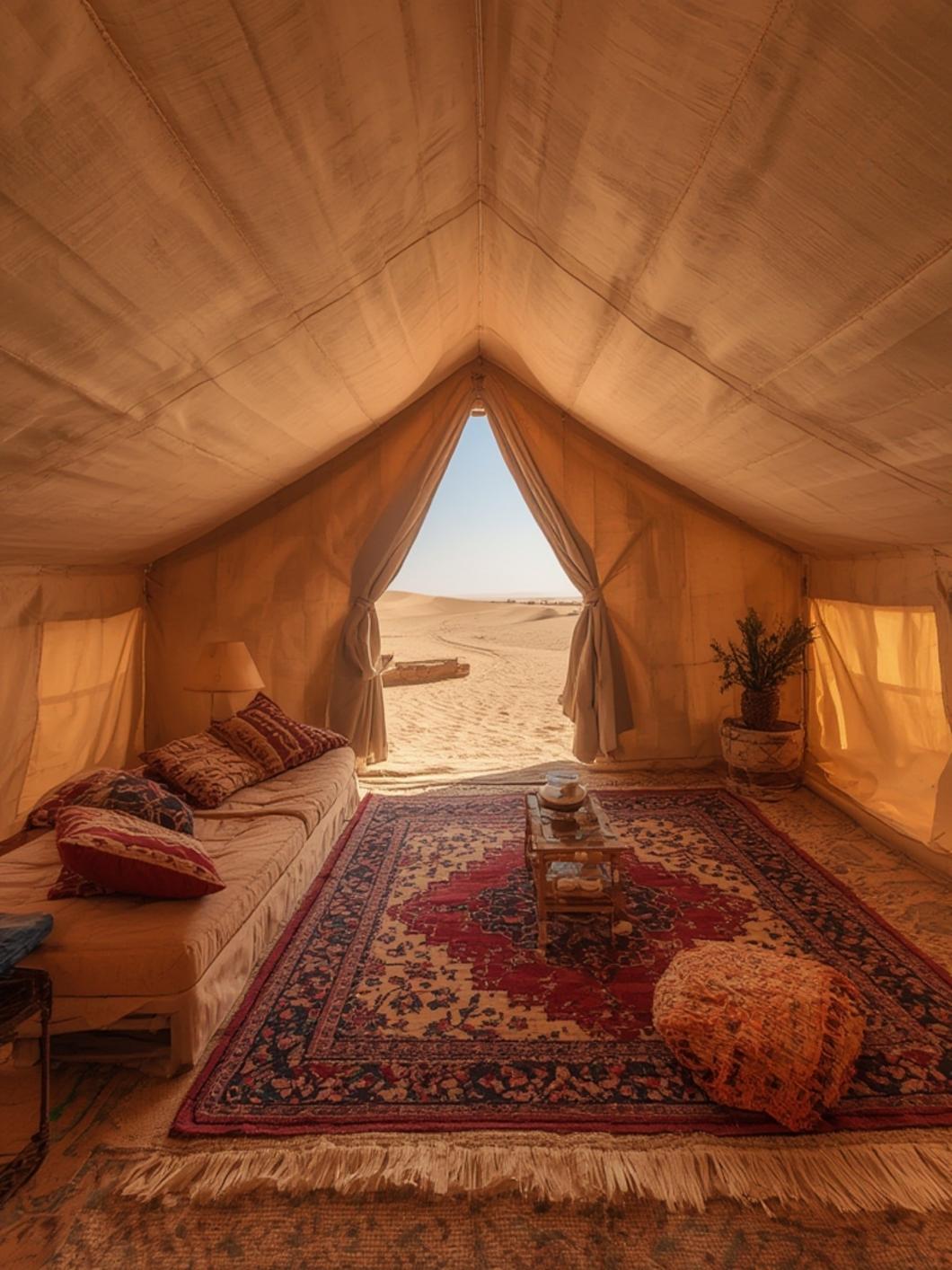
Once at camp, settle into your tent, enjoy traditional Moroccan tea, and participate in Merzouga desert safari tours activities like sandboarding or simply climbing dunes for panoramic views. Evening brings delicious tagine dinners cooked over open fires.
Step 7: Stargaze and Connect
After dinner, lie back and witness the Milky Way in its full glory—free from light pollution. Many camps offer traditional Berber music around campfires, creating a magical cultural exchange.
Step 8: Wake for Sunrise
Set an early alarm to climb nearby dunes before dawn. Watching sunrise paint the desert in shifting hues of orange, pink, and gold is profoundly moving and perfect for photography.
Advantages of the Destination
Merzouga offers unparalleled benefits that extend far beyond typical tourist attractions:
Cultural Immersion: Interact authentically with Berber communities, learning about their traditions, music, and desert survival skills passed down through generations.
Mental Wellness: The desert’s silence and vastness provide natural therapy—reducing stress, enhancing mindfulness, and offering perspective on life’s complexities.
Photographic Paradise: From towering dunes to star-filled skies, every moment presents Instagram-worthy shots and professional portfolio opportunities.
Adventure Variety: Beyond camping, engage in quad biking, sandboarding, fossil hunting, and visits to nearby nomadic settlements.
Accessibility: Unlike remote deserts requiring extreme expeditions, Merzouga balances adventure with reasonable accessibility and safety.
Year-Round Viability: While some seasons are more comfortable, the desert offers unique beauty in every period—spring wildflowers, autumn perfect weather, winter solitude, or summer’s raw intensity.
Tips, Alternative Methods, or Travel Advice
Solo Travelers: Join group tours to reduce costs and enhance safety while still maintaining personal space. Many operators offer single supplements or shared tent options.
Budget Travelers: Negotiate directly with local operators in Merzouga village for better rates, or opt for basic camps (still authentic but with simpler amenities). Bring your own snacks to supplement meals.
Luxury Seekers: Book boutique desert camps featuring private bathrooms, gourmet dining, and premium tents with proper beds. Some offer spa services and wine selections.
Family Travel: Ensure your chosen camp welcomes children and offers family-friendly activities. Private tents provide more comfort for families, and some operators offer shorter camel rides or 4×4 alternatives.
Photography Enthusiasts: Bring lens cleaning equipment (sand is everywhere), shoot during golden hours, and consider staying multiple nights to capture different lighting conditions.
Seasonal Considerations: In summer, schedule activities for early morning and late evening, staying in shade during peak heat. In winter, pack serious warm layers including thermal underwear for nighttime.
Common Mistakes to Avoid
Mistake 1: Underpacking Warm Clothing
Many travelers assume “desert equals hot” and forget that temperatures can drop to near-freezing at night, especially in winter months. Solution: Pack layered clothing regardless of season.
Mistake 2: Choosing the Cheapest Tour Without Research
Ultra-budget operators may cut corners on safety, food quality, or guide expertise. Solution: Read multiple recent reviews and verify what’s actually included in the price.
Mistake 3: Overpacking
Bringing excessive luggage complicates camel transport and camp logistics. Solution: Pack only essentials in a soft bag, leaving main luggage in Merzouga.
Mistake 4: Not Protecting Electronics from Sand
Fine desert sand infiltrates everything and can damage cameras and phones. Solution: Use ziplock bags or protective cases, and minimize device exposure during windy conditions.
Mistake 5: Ignoring Hydration
The dry desert air dehydrates quickly without obvious sweating. Solution: Drink water consistently throughout the day, even if you don’t feel thirsty.
Mistake 6: Missing Sunrise
After a late night of stargazing, many travelers sleep through the spectacular sunrise. Solution: Set multiple alarms and prepare clothing the night before for quick dressing.
Storage / Maintenance Tips
Photo Management:
Back up photos daily to cloud storage or portable hard drives. The desert offers once-in-a-lifetime shots that you don’t want to lose to a damaged memory card.
Budget Tracking:
Download expense-tracking apps before departure since internet connectivity will be limited in the desert. Log costs immediately to maintain accurate records.
Equipment Care:
After your trip, thoroughly clean all gear exposed to sand—especially camera equipment, backpacks, and shoes. Sand trapped in zippers and closures can cause long-term damage.
Travel Journal Maintenance:
If keeping a journal, write entries nightly while impressions are fresh. The emotional impact of desert experiences fades quickly without recorded reflection.
Planning Future Trips:
Note favorite operators, camp locations, and activities that worked well. This information becomes invaluable when recommending the experience to friends or planning return visits during different seasons.
Seasonal Follow-Up:
If you loved your experience, consider planning a return during a different season to compare the desert’s changing character. Save contact information for reliable guides and operators.
Conclusion
Merzouga desert camping represents more than a travel destination—it’s a transformative journey into one of Earth’s most captivating landscapes. From the moment you mount your camel and head toward the dunes to the final sunrise that paints the sand in ethereal colors, every element combines to create an unforgettable adventure.
The 2026 travel season offers renewed opportunities to experience Merzouga desert camping 2026 with improved infrastructure while maintaining authentic character. Whether you choose budget-friendly options or luxury Merzouga desert safari tours, the desert’s magic remains constant—its ability to humble, inspire, and connect us to something larger than ourselves. Don’t let another year pass without experiencing this bucket-list destination. Start planning today, pack thoughtfully, and prepare for a journey that will shift your perspective and enrich your soul. Have you already visited Merzouga? Share your experiences in the comments below, or explore our related posts on Moroccan travel adventures!
FAQs
Q1: Is Merzouga desert camping safe for solo female travelers?
Yes, when booked through reputable operators. Join group tours for added security, dress modestly respecting local culture, and inform your accommodation of your itinerary. Morocco’s tourism infrastructure makes Merzouga relatively safe, though standard travel precautions always apply.
Q2: What’s the real temperature difference between day and night?
Expect 15-25°C (27-45°F) differences depending on season. Spring and autumn might see 25°C days and 10°C nights, while winter can range from 20°C days to near-freezing nights. Summer experiences extreme 40°C+ days dropping to 20-25°C nights.
Q3: Can I charge my devices at desert camps?
Basic camps typically offer limited charging during generator hours (usually evening). Luxury camps provide more consistent electricity. Regardless, bring a fully charged power bank as your primary backup power source.
Q4: Are there bathroom facilities at desert camps?
Most camps offer shared bathroom facilities with toilets and basic showers (water may be limited). Luxury camps provide private en-suite bathrooms. All camps maintain reasonable hygiene standards, though expectations should remain appropriate for desert locations.
Q5: How physically demanding is the camel riding?
Moderate. Camels walk slowly, but the swaying motion and sitting position can strain thighs and back for those unused to it. Most rides last 60-90 minutes each way. Operators can arrange 4×4 transport for those with mobility concerns or physical limitations.