Five Enchanting Places You Must Visit in Morocco in 2026
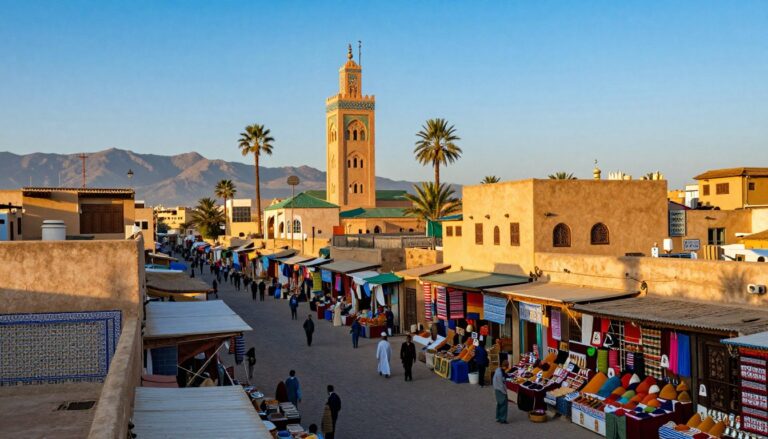
Have you ever dreamed of wandering through ancient medinas, riding camels across golden sand dunes, or sipping mint tea in a traditional riad? Morocco offers all this and more, making it one of the world’s most captivating destinations.
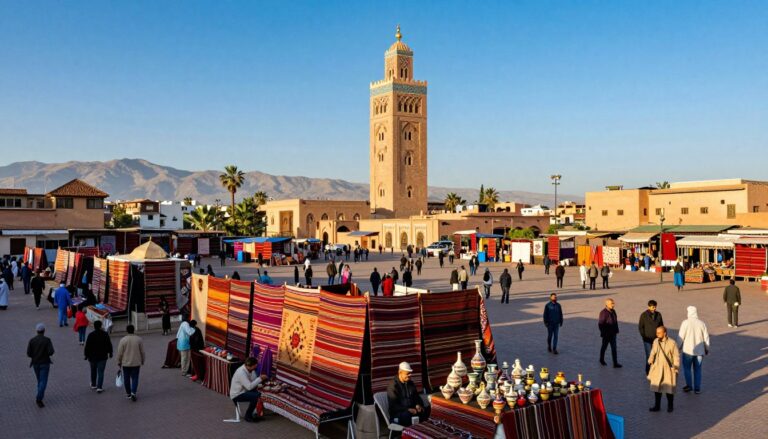
Planning a trip to Morocco requires thoughtful preparation, but the rewards are immeasurable—from the vibrant souks of Marrakech to the blue-washed streets of Chefchaouen.
Table of Contents
Whether you’re a first-time visitor or a returning traveler, understanding the Best places to visit in Morocco will transform your journey into an unforgettable adventure. This comprehensive guide covers everything you need to know about exploring the top tourist destinations Morocco has to offer, ensuring your 2026 trip is seamless, enriching, and truly magical.
Travel Essentials
Before embarking on your Moroccan adventure, gathering the right essentials ensures a smooth and comfortable journey:
Documents & Money:
– Valid passport (at least 6 months validity beyond your travel dates)
– Visa documentation (check requirements based on your nationality)
– Travel insurance policy with medical and trip cancellation coverage
– Printed hotel confirmations and transportation bookings
– Credit cards (Visa and Mastercard widely accepted) and cash in Moroccan dirhams
Clothing & Personal Items:
– Modest, lightweight clothing that respects local customs (covering shoulders and knees)
– Comfortable walking shoes with good grip for cobblestone streets
– Light jacket or cardigan for cooler evenings and mountain regions
– Sunglasses, sunscreen (SPF 50+), and a wide-brimmed hat
– Scarf or shawl (useful for women visiting mosques and as sun protection)
Travel Gear & Accessories:
– Universal power adapter (Morocco uses Type C and E plugs, 220V)
– Portable charger for smartphones and cameras
– Reusable water bottle with filtration system
– Day backpack for excursions
– Travel first-aid kit including anti-diarrheal medication
Navigation & Communication:
– Offline maps downloaded on Google Maps or Maps.me
– Portable WiFi device or local SIM card
– Translation app (French and Arabic phrases)
– Guidebook or digital travel resources
Optional Items:
– Camera with extra memory cards and batteries
– Notebook or travel journal
– Small gifts from your home country for hospitality exchanges
– Wet wipes and hand sanitizer
Timing / Travel Schedule
Understanding the optimal timing for your Moroccan journey significantly enhances your experience:
Best Travel Periods:
Spring (March-May) and autumn (September-November) offer ideal weather conditions with moderate temperatures ranging from 20-25°C (68-77°F). These shoulder seasons provide comfortable exploration conditions, fewer crowds at popular attractions, and vibrant landscapes with blooming flowers in spring or harvest colors in autumn.
Summer Considerations (June-August):
Coastal cities like Essaouira and Tangier remain pleasant, while inland destinations such as Marrakech and Fes experience intense heat (up to 40°C/104°F). Consider early morning activities and coastal escapes during this period.
Winter Travel (December-February):
Perfect for desert experiences and exploring imperial cities, though Atlas Mountain regions receive snow. Temperatures range from 10-20°C (50-68°F), with occasional rain in northern regions.
Typical Itinerary Duration:
– Quick visit: 5-7 days (focusing on 2-3 major cities)
– Standard trip: 10-14 days (covering diverse regions including desert and coast)
– Comprehensive exploration: 3-4 weeks (in-depth cultural immersion)
Daily Schedule Highlights:
Most attractions open between 9:00 AM-5:00 PM. Plan intensive sightseeing for mornings, enjoy leisurely lunches during midday heat, and reserve evenings for medina wandering and cultural experiences.
Step-by-Step Instructions
Follow these actionable steps to plan your perfect Moroccan adventure:
Step 1: Define Your Travel Style and Interests
Determine whether you prefer cultural immersion, adventure activities, culinary experiences, or relaxation. This focus helps prioritize destinations within the Best places to visit in Morocco and shapes your itinerary effectively.
Step 2: Book Flights and Major Transportation
Search for flights to major gateways (Marrakech, Casablanca, or Fes) 2-3 months in advance. Consider internal flights for longer distances or arrange for private transfers, which offer flexibility and comfort compared to public transportation.
Step 3: Secure Accommodations
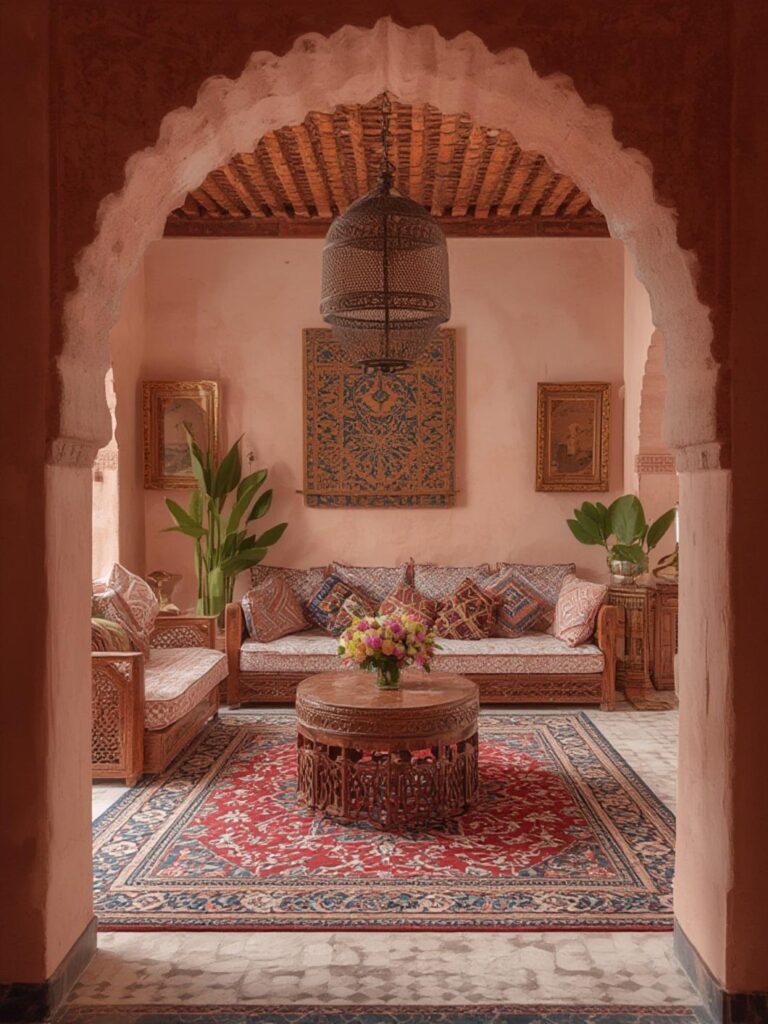
Morocco offers diverse lodging from budget hostels to luxury riads. Book traditional riads in medinas for authentic experiences, ensuring locations are accessible and reviews mention helpful staff. Reserve at least 3-4 months ahead for popular periods.
Step 4: Plan Your Route Strategically
Create a logical circuit avoiding excessive backtracking. A classic northern loop might include Casablanca → Rabat → Chefchaouen → Fes → Marrakech → Essaouira, while southern routes incorporate desert destinations like Merzouga.
Step 5: Arrange Desert and Mountain Excursions
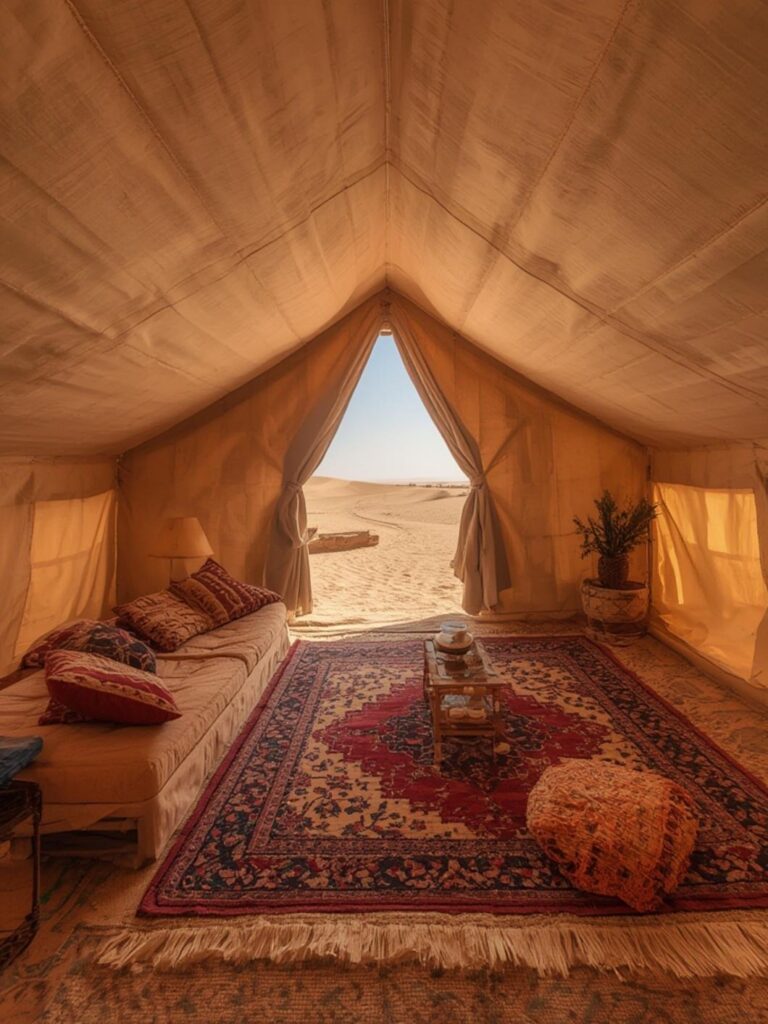
Book multi-day desert tours or Atlas Mountains treks through reputable operators. These require advance planning, especially for camel trekking, overnight stays in Berber villages, or hiking expeditions.
Step 6: Learn Basic Cultural Protocols
Familiarize yourself with Moroccan customs: greeting with “Salam alaikum,” bargaining respectfully in souks, removing shoes before entering homes, and asking permission before photographing people. These gestures enhance interactions significantly.
Step 7: Download Essential Apps and Resources
Install offline translation tools, currency converters, and transportation apps. Save important contacts including your embassy, hotel numbers, and local emergency services (police: 19, ambulance: 15).
Step 8: Pack Thoughtfully and Efficiently
Use packing cubes to organize belongings. Layer clothing for temperature variations. Include a small padlock for hostel lockers and a money belt for valuables in crowded areas.
Visiting Morocco’s diverse landscapes and experiencing the top tourist destinations Morocco showcases requires this strategic approach to maximize your time and enjoyment.
Advantages of the Destination
Morocco offers unparalleled benefits that make it a standout travel destination:
Cultural Richness and Diversity:
Experience a unique blend of Arab, Berber, African, and European influences reflected in architecture, cuisine, music, and daily life. UNESCO World Heritage sites provide deep historical insights.
Exceptional Value for Money:
Compared to European destinations, Morocco delivers luxury experiences at reasonable prices. Affordable accommodations, inexpensive local cuisine, and budget-friendly transportation make it accessible for various budgets.
Geographic Variety:
Few countries offer such diverse landscapes within compact distances—from Mediterranean and Atlantic coastlines to snow-capped mountains, lush valleys, and dramatic desert expanses.
Culinary Excellence:
Moroccan cuisine ranks among the world’s finest, featuring tagines, couscous, pastilla, and fresh seafood. Cooking classes and food tours provide immersive cultural education.
Warm Hospitality:
Moroccan hospitality is legendary. Locals frequently invite travelers for tea, offer assistance, and share stories, creating meaningful connections beyond typical tourist experiences.
Accessible Adventure Activities:
Opportunities for surfing, hiking, sandboarding, rock climbing, and camel trekking cater to adventure enthusiasts of all skill levels.
Tips, Alternative Methods, or Travel Advice
Maximize your Moroccan experience with these practical suggestions:
Budget Travel Strategies:
– Use CTM buses or trains for economical inter-city travel
– Eat at local cafes serving set menus (menu du jour) for €3-5
– Stay in guesthouses or Airbnb apartments outside medina centers
– Negotiate multi-day tour prices and share costs with other travelers
– Visit attractions on free admission days or purchase combination tickets
Solo Travel Considerations:
Morocco is generally safe for solo travelers exercising normal precautions. Join group tours for desert excursions, stay in social accommodations like riads with communal spaces, and inform hosts of daily plans.
Group Tour Benefits:
Organized tours eliminate planning stress, provide knowledgeable guides explaining cultural contexts, and offer social interaction opportunities. Choose small-group options (6-12 people) for personalized experiences.
Seasonal Adjustments:
– Summer: Focus on coastal cities, start activities at dawn, take afternoon siestas
– Winter: Layer clothing, book desert camps with heating, check mountain road conditions
– Ramadan: Respect fasting customs, expect limited daytime restaurant options, enjoy special evening atmospheres
Photography Etiquette:
Always ask permission before photographing people, particularly women. Offer small tips to street performers after taking photos. Avoid photography near government buildings and military installations.
Common Mistakes to Avoid
Prevent these frequent errors to ensure a smooth journey:
Mistake 1: Over-aggressive Itinerary Planning
Attempting to visit too many destinations creates exhausting travel days with minimal enjoyment. Solution: Focus on 3-4 main areas, allowing 2-3 days minimum per location for meaningful exploration.
Mistake 2: Accepting Initial Prices in Souks
First prices in markets are often inflated 3-5 times actual value. Solution: Bargain respectfully, starting at 40-50% of the asking price, and be willing to walk away politely.
Mistake 3: Disrespecting Cultural Norms
Inappropriate clothing or public displays of affection can offend locals. Solution: Dress modestly, show restraint in affection outside tourist zones, and observe how locals behave in religious or traditional areas.
Mistake 4: Falling for Fake Guides
Unofficial guides approach tourists offering “free” assistance, then demand payment or lead to commission-based shops. Solution: Politely decline unsolicited help, hire licensed guides through hotels or official tourist offices.
Mistake 5: Neglecting Health Precautions
Consuming tap water or ice, eating unwashed produce, or ignoring sun protection causes preventable illness. Solution: Drink only bottled or filtered water, eat at busy establishments with high turnover, apply sunscreen liberally, and carry anti-diarrheal medication.
Mistake 6: Underestimating Travel Times
Mountain roads and desert routes take longer than map distances suggest. Solution: Add 30-50% buffer time to estimated driving durations and plan rest stops.
Mistake 7: Exchanging Money at Airports
Airport exchange rates are significantly worse than city banks or ATMs. Solution: Exchange only small amounts for immediate needs, then withdraw from ATMs in cities using cards with no foreign transaction fees.
Storage / Maintenance Tips
Preserve your Moroccan memories and prepare for future adventures:
Photo Management:
– Back up photos daily to cloud storage (Google Photos, Dropbox) and external drives
– Organize by location and date immediately to prevent overwhelming post-trip sorting
– Create themed albums (architecture, food, people, landscapes) for easy sharing
– Edit highlights within weeks while memories remain fresh
Travel Document Organization:
– Scan all important documents and store digitally in encrypted folders
– Keep physical copies separate from originals during travel
– Maintain a travel journal noting expenses, contact information, and memorable experiences
– Save receipts for tax-deductible travel expenses or insurance claims
Budget Tracking:
– Use apps like Trail Wallet or TravelSpend to monitor daily expenses
– Compare actual costs against pre-trip estimates to inform future planning
– Note unexpected expenses to budget better for similar trips
Gear Maintenance:
– Clean and inspect travel equipment after trips (backpacks, cameras, shoes)
– Replace worn items before your next journey
– Update your packing list based on what you used versus what remained unnecessary
Future Trip Planning:
– Document recommendations received from locals and fellow travelers
– Note places you couldn’t visit this time for future itineraries
– Stay connected with Moroccan contacts through social media
– Subscribe to travel alerts for deals on flights to Morocco
Conclusion
Morocco stands as an extraordinary destination that captivates travelers with its vibrant culture, stunning landscapes, and warm hospitality. From the bustling medinas of ancient cities to the serene beauty of the Sahara Desert, the Best places to visit in Morocco offer something for every type of traveler.
By following this comprehensive guide—from packing the right essentials to avoiding common mistakes—you’ll be well-prepared to experience the magic of the top tourist destinations Morocco showcases. Remember that successful travel combines careful planning with openness to spontaneous experiences.
Morocco rewards those who approach it with curiosity, respect, and adventurous spirits. Start planning your 2026 journey today, and soon you’ll be creating your own unforgettable Moroccan memories. Have you visited Morocco or are you planning your first trip? Share your experiences or questions in the comments below, and don’t forget to explore our other destination guides for more travel inspiration!
FAQs
Q1: Is Morocco safe for tourists in 2026?
Morocco is generally considered safe for tourists, with millions visiting annually without incident. Exercise standard precautions: avoid displaying valuables, stay in well-traveled areas at night, use registered taxis or ride-sharing apps, and keep copies of important documents. Women travelers should dress modestly and may experience catcalling in tourist areas, which is best ignored. Political stability and tourist infrastructure make Morocco one of Africa’s safest destinations.
Q2: How much money should I budget for a 10-day trip to Morocco?
Budget travelers can manage on $40-60 per day (including basic accommodation, local meals, and public transport). Mid-range travelers should budget $100-150 daily for comfortable riads, varied dining, and private tours. Luxury experiences start at $250+ per day. Major expenses include accommodations (50-60% of budget), food (20-25%), transportation (15-20%), and activities (10-15%). Carrying $200-300 in cash for emergencies is advisable.
Q3: What’s the best way to travel between cities in Morocco?
Trains operated by ONCF connect major cities (Casablanca, Rabat, Fes, Marrakech, Tangier) and offer comfortable, affordable travel with first and second-class options. CTM buses serve destinations trains don’t reach and maintain reliable schedules. For flexibility, private drivers or car rentals work well, though driving in cities is challenging. Domestic flights connect distant cities quickly but reduce immersive travel experiences. Combination approaches work best for diverse itineraries.
Q4: Do I need to speak French or Arabic to travel in Morocco?
While French and Arabic are official languages, many tourism workers speak English in major cities and tourist areas. Learning basic French phrases significantly enhances interactions, especially in smaller towns. Arabic greetings (“Salam alaikum,” “Shukran”) are appreciated. Translation apps help with menus and directions. Most hotels, tour operators, and restaurants in tourist zones accommodate English speakers comfortably.
Q5: What should I pack for Morocco’s varied climates?
Morocco’s diverse geography requires layered packing. Bring lightweight, modest clothing (long sleeves, pants/long skirts) suitable for 20-30°C days. Add a warm jacket for mountain regions and desert nights (temperatures drop to 5-10°C). Comfortable closed-toe walking shoes are essential for cobblestones. Include sun protection (hat, sunglasses, SPF 50+ sunscreen), a scarf for women visiting religious sites, and a small daypack. If visiting in winter (December-February), pack warmer clothing and rain gear.