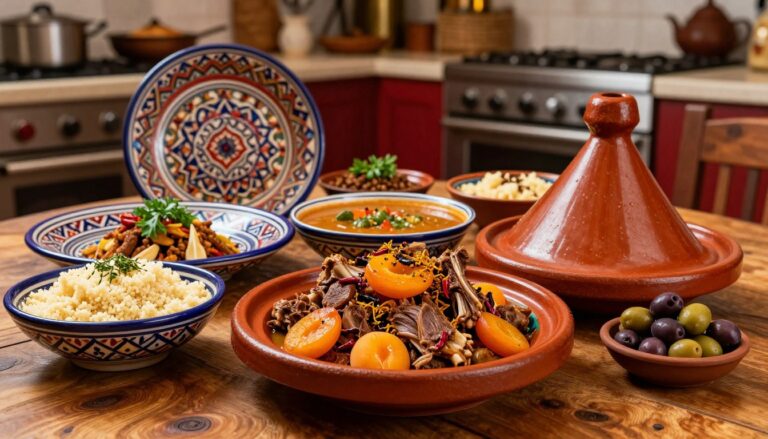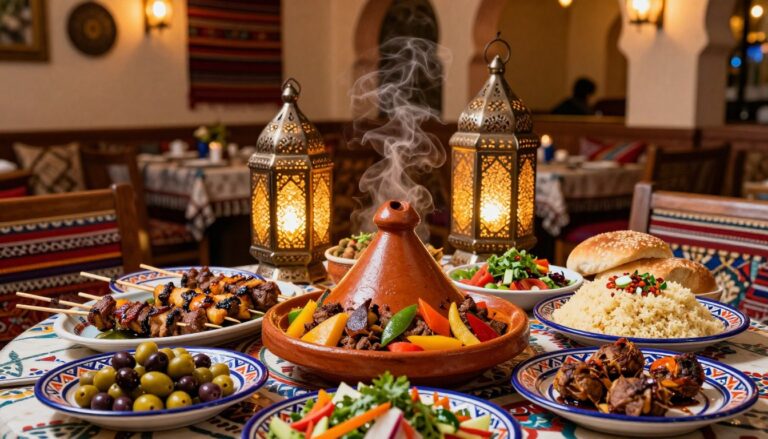
Morocco Food 2026: A Complete Culinary Travel Guide to Authentic Flavors and Traditional Recipes
Have you ever wondered what it would be like to bite into a steaming tagine under a starlit Moroccan sky or sip sweet mint tea while surrounded by the vibrant colors of a Marrakech souk? Planning a culinary journey to Morocco Food 2026 offers more than just a vacation—it’s an immersive experience into one of the world’s most celebrated gastronomic traditions.
Table of Contents
As global food tourism continues to surge, exploring Moroccan cuisine 2026 becomes not only a sensory delight but also a journey through centuries of cultural exchange, where Berber, Arab, and Mediterranean influences create unforgettable dishes. This comprehensive guide will walk you through everything you need to know to plan, prepare, and fully enjoy a food-focused adventure in Morocco during 2026, ensuring you taste the most authentic flavors while avoiding common travel pitfalls.
Travel Essentials
Before embarking on your culinary adventure to Morocco, proper preparation ensures a smooth and enjoyable experience. Here’s what you’ll need:
Essential Documents:
– Valid passport with at least six months validity beyond your travel dates
– Travel insurance covering medical emergencies and trip cancellations
– Digital and physical copies of your itinerary and accommodation bookings
– Credit cards and some local currency (Moroccan Dirham)
Clothing and Personal Items:
– Lightweight, modest clothing respecting local customs (long pants, covered shoulders)
– Comfortable walking shoes for navigating medinas and souks
– Sun protection: hat, sunglasses, and high-SPF sunscreen
– Light jacket or shawl for cooler evenings and air-conditioned restaurants
– Reusable water bottle with filtration system
Food Tourism Gear:
– Smartphone with camera for documenting culinary experiences
– Portable phone charger or power bank
– Small notebook for jotting down recipes and restaurant recommendations
– Wet wipes and hand sanitizer for street food experiences
– Digestive aids and any prescription medications
Optional Items:
– Cooking class supplies (apron, though usually provided)
– Arabic or French phrasebook for better market interactions
– Spice containers for bringing authentic ingredients home
– Travel pillow for inter-city transportation
Timing / Travel Schedule
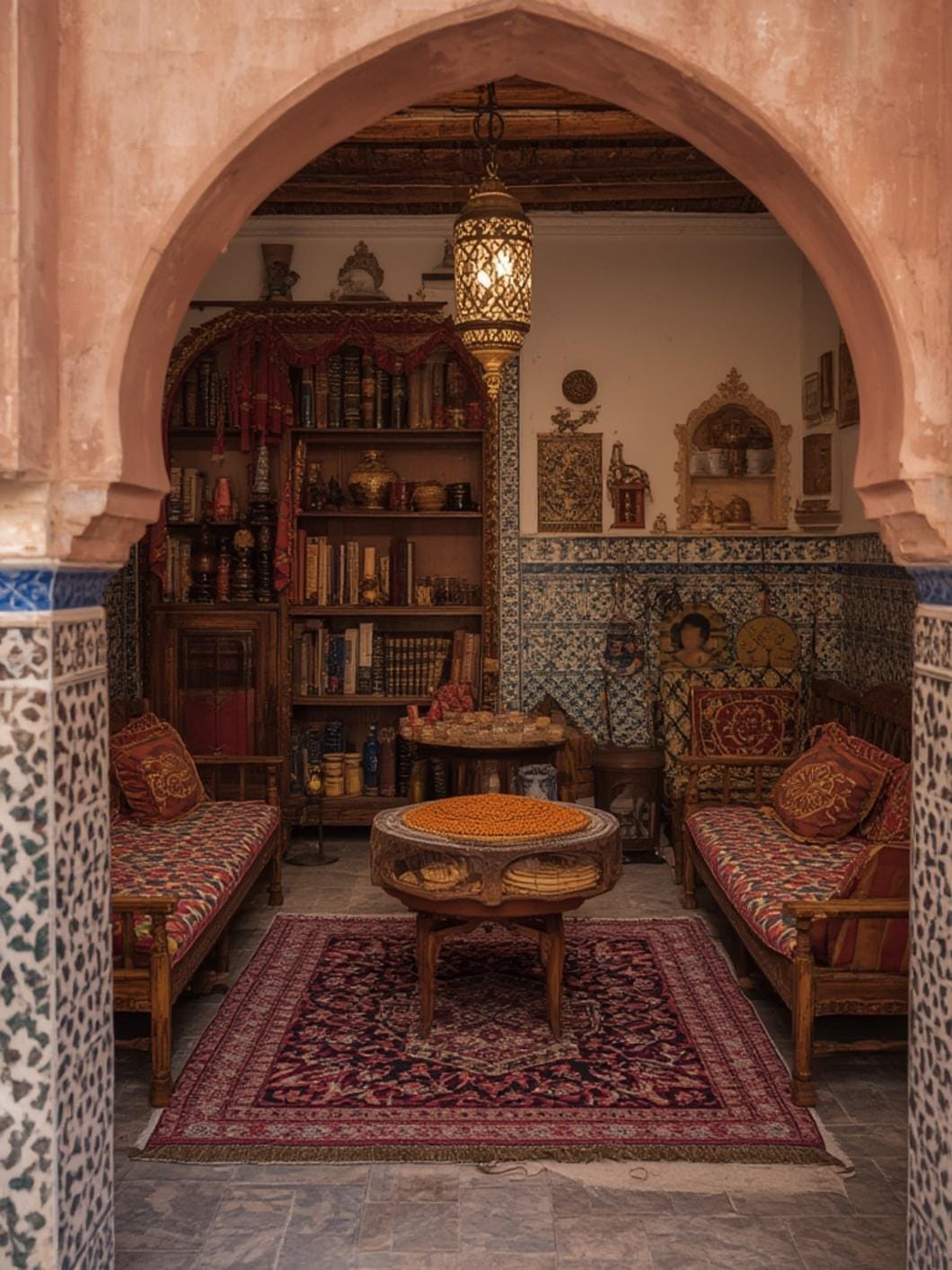
Understanding the optimal timing for your Moroccan food journey can significantly enhance your experience. The ideal travel period for food tourism in Morocco is during spring (March-May) and fall (September-November) when temperatures are comfortable and local produce is at its peak.
Preparation Phase (1-3 months before):
– Research regional specialties and book cooking classes in advance
– Secure flights and accommodations in food-centric neighborhoods
– Learn basic Arabic food terms and dietary restrictions communication
– Get necessary vaccinations and health clearances
Daily Schedule During Your Trip:
– Morning (8-11 AM): Breakfast at your riad, then visit local food markets
– Midday (12-3 PM): Lunch at traditional restaurants or street food stalls
– Afternoon (3-6 PM): Cooking classes, spice shopping, or food tours
– Evening (7-10 PM): Dinner experiences at rooftop restaurants or local homes
Expected Highlights:
Most travelers spend 7-10 days exploring Morocco’s culinary landscape, with 2-3 days in Marrakech, 2 days in Fes, and time in coastal cities like Essaouira for seafood specialties. This timeframe allows you to experience diverse regional cuisines without feeling rushed.
Step-by-Step Instructions

Follow these actionable steps to maximize your Morocco Food 2026 experience:
Step 1: Research and Plan Your Culinary Route
Identify which regions offer the dishes you’re most excited about. Marrakech specializes in tagines and tanjia, Fes is renowned for pastilla and complex spice blends, while coastal areas excel in fresh seafood preparations. Book accommodations near central food markets.
Step 2: Connect with Local Food Experts
Enroll in at least one hands-on cooking class with a local chef or home cook. These experiences teach you traditional techniques and provide insight into Moroccan cuisine 2026 that guidebooks can’t offer.
Step 3: Navigate the Souks Strategically
Visit spice markets in the morning when vendors are most willing to explain their products. Don’t hesitate to ask for samples and cooking advice. Purchase saffron, ras el hanout, and preserved lemons to recreate dishes at home.
Step 4: Balance Tourist Spots with Local Favorites
While popular restaurants offer quality experiences, ask your riad host for neighborhood recommendations where locals actually eat. These spots often provide more authentic flavors at better prices.
Step 5: Participate in Food Rituals
Accept invitations to share mint tea, which is a social cornerstone. Learn the proper way to eat with your right hand from communal dishes during traditional meals. These cultural practices deepen your connection to Moroccan food culture.
Step 6: Document Your Journey Thoughtfully
Photograph dishes with natural lighting, but always ask permission before photographing vendors or home cooks. Keep a food diary noting flavors, ingredients, and restaurants for future reference.
Step 7: Bring the Experience Home
Purchase cookbooks, spices, and traditional cookware like tagine pots. Join online communities of Moroccan food enthusiasts to continue learning after your trip.
Advantages of the Destination
Morocco’s culinary scene offers unparalleled benefits for food-loving travelers:
Cultural Immersion: Food serves as the gateway to understanding Moroccan hospitality, family values, and centuries-old traditions that remain vibrantly alive today.
Health Benefits: Traditional Moroccan cuisine emphasizes fresh vegetables, lean proteins, healthy fats from olive oil and nuts, and anti-inflammatory spices like turmeric and ginger.
Affordability: Compared to European culinary destinations, Morocco offers exceptional value with street food costing just a few dollars and multi-course restaurant meals remaining budget-friendly.
Diversity: From Berber mountain cuisine to Andalusian-influenced coastal dishes, Morocco’s regional variations provide endless discovery opportunities within a relatively compact geography.
Educational Value: Learning Moroccan cooking techniques—from proper couscous steaming to tagine layering—expands your culinary repertoire with methods applicable to many cuisines.
Sensory Richness: The vibrant colors, complex aromas, and layered flavors of Moroccan food create memorable experiences that engage all senses simultaneously.
Tips, Alternative Methods, or Travel Advice
For Solo Travelers:
Join group food tours to meet fellow culinary enthusiasts and share costs. Many cooking schools offer single-traveler-friendly classes where you’ll naturally interact with others.
Budget-Friendly Approaches:
Street food and local canteens offer authentic experiences at minimal cost. A satisfying meal of harira soup, bread, and dates costs less than $3. Stay in guesthouses that include traditional breakfasts.
For Dietary Restrictions:
Vegetarians thrive in Morocco with abundant vegetable tagines, couscous dishes, and legume-based meals. Vegans should learn to specify “bla zebda, bla l’ben” (without butter, without milk). Those with gluten sensitivities can focus on rice-based dishes and communicate needs clearly.
Seasonal Considerations:
Visit during Ramadan only if you’re prepared for daytime restaurant closures, though the evening iftar meals offer extraordinary cultural experiences. Summer heat may reduce your appetite, so plan heavier meals for cooler evening hours.
Language Tips:
Download translation apps, but learn key food terms in Darija (Moroccan Arabic) and French. Phrases like “shukran” (thank you) and “bsaha” (bon appetit) build rapport with vendors and hosts.
Alternative Experiences:
Consider agritourism experiences where you harvest olives or visit argan oil cooperatives. Multi-day desert treks with nomadic communities offer unique traditional cooking methods using underground ovens.
Common Mistakes to Avoid

Mistake 1: Drinking Tap Water
Solution: Stick to bottled water or use a reliable filtration system. Ice in tourist restaurants is typically safe, but be cautious at street stalls.
Mistake 2: Rushing Through Markets
Solution: Allocate at least 2-3 hours for souk visits. The sensory overload requires time to absorb, and hurrying prevents meaningful vendor interactions that enhance your understanding.
Mistake 3: Only Eating in Tourist Areas
Solution: Venture into residential neighborhoods where locals dine. Quality often improves and prices drop significantly just a few blocks from main squares.
Mistake 4: Being Inflexible with Spice Levels
Solution: While Moroccan food isn’t typically fiery hot, harissa and certain dishes pack heat. Request “shwiya harr” (a little spicy) rather than refusing spice entirely, as it’s integral to authentic flavors.
Mistake 5: Ignoring Food Safety Basics
Solution: Eat at busy stalls with high turnover, choose cooked foods over raw preparations initially, and watch how locals navigate street food to identify trustworthy vendors.
Mistake 6: Over-Planning Every Meal
Solution: Leave room for spontaneous discoveries. Some of the best culinary experiences happen when you follow intriguing aromas or accept unexpected invitations.
Mistake 7: Forgetting to Negotiate Respectfully
Solution: Haggling is expected in souks but approach it as friendly banter, not aggressive bargaining. Start at 50-60% of the asking price for food items and cookware.
Storage / Maintenance Tips
Preserving Your Culinary Memories:
Back up food photos to cloud storage daily. Create a dedicated album categorizing images by dish type, location, or ingredient for easy reference when recreating recipes.
Managing Recipes and Notes:
Digitize any handwritten recipes or notes immediately. Consider creating a private blog or digital cookbook to organize your Moroccan culinary discoveries with photos and context.
Budget Tracking:
Use travel expense apps to categorize food spending separately. This helps you understand the true cost of culinary tourism and plan future trips more accurately.
Spice and Ingredient Care:
Store Moroccan spices in airtight containers away from light and heat. Properly stored, spices like ras el hanout maintain potency for 6-12 months. Preserved lemons should remain refrigerated and fully submerged in brine.
Cookware Maintenance:
Season tagine pots properly before first use by soaking and gradually heating. Clean with gentle soap and water, avoiding abrasive scrubbers that damage the clay surface.
Planning Return Visits:
Maintain a wishlist of restaurants you couldn’t visit, dishes you want to explore deeper, and regions you missed. Follow Moroccan food bloggers and chefs on social media to stay current with culinary trends.
Sharing Your Experience:
Organize a Moroccan dinner party within weeks of returning while memories and enthusiasm are fresh. Teaching others what you learned reinforces your own knowledge and inspires future travelers.
Conclusion
Embarking on a Morocco Food 2026 journey offers far more than delicious meals—it provides transformative cultural connections, skill-building opportunities, and sensory memories that last a lifetime. From the aromatic spice markets of Marrakech to intimate cooking lessons in Fes family homes, every aspect of Moroccan cuisine 2026 tells a story of tradition, hospitality, and culinary artistry. By following this comprehensive guide, you’ll navigate Morocco’s food landscape with confidence, avoiding common pitfalls while discovering authentic experiences that typical tourists miss. Whether you’re a seasoned food traveler or planning your first culinary adventure, Morocco’s kitchens, markets, and tables welcome you with unparalleled warmth and flavor complexity that will forever change how you think about food and travel.
Ready to start planning your Moroccan culinary adventure? Share your food travel dreams in the comments below, or explore our related posts on specific Moroccan dishes and regional specialties to deepen your preparation!
FAQs
Q1: Is it safe to eat street food in Morocco during 2026?
Yes, Moroccan street food is generally safe when you follow basic precautions. Choose vendors with high customer turnover, opt for freshly cooked hot foods, and watch where locals eat. Your stomach may need a day or two to adjust to new spices and preparations, which is normal and not necessarily food poisoning.
Q2: How much should I budget daily for food experiences in Morocco?
Budget travelers can eat well on $15-20 daily by focusing on street food and local restaurants. Mid-range travelers should allocate $30-50 for a mix of casual and nicer dining experiences. Luxury food tours and upscale restaurants range from $50-100+ per person. Cooking classes typically cost $40-80 including ingredients.
Q3: Do I need to speak Arabic or French to enjoy Moroccan food experiences?
While helpful, language skills aren’t essential. Many tourist-area restaurants have English-speaking staff, and cooking class instructors often speak multiple languages. Learning basic food vocabulary in Arabic (or French as a backup) significantly enhances market interactions and shows respect for local culture.
Q4: What’s the best way to handle dietary restrictions in Morocco?
Communicate your restrictions clearly and repeatedly, as cross-contamination understanding varies. Vegetarians and vegans find abundant options, though dairy appears unexpectedly in many dishes. For allergies, write restrictions in Arabic and French to show servers. Cooking classes let you control ingredients entirely.
Q5: Can I bring Moroccan food items back home through customs?
Dried spices, argan oil, and packaged foods are generally allowed, but check your country’s agricultural import regulations. Avoid bringing fresh produce, meat products, or unpasteurized dairy. Vacuum-sealed items pass inspections more easily. Always declare food items to customs officials.